The Story
Why it exists.
The beginning
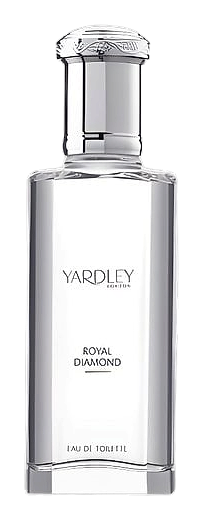
Royal Diamond arrived in 2012 under perfumer Juliette Karagueuzoglou, joining Yardley's Royal collection, a lineup built around the idea that luxury should feel earned, not performed. The name does the work: Diamond signals permanence, Royal signals lineage. No ambiguity. The brief was sophistication with lift, something that could sit on a dresser in Mayfair and still feel appropriate on a Tuesday morning commute. Karagueuzoglou structured the fragrance around contrast. Bright, crisp top notes give way to something warmer and deeper as the minutes pass. That progression, freshness into warmth, is the Yardley house signature, but Royal Diamond executes it with particular clarity. The composition connects the brand's 18th-century heritage to a 21st-century woman who wants fragrance to feel like an extension of how she already presents herself: refined, present, and quietly certain of the effect.
What makes Royal Diamond's structure interesting is how deliberately it refuses to rush. The top accord, pear and bergamot, is clean and direct, but it doesn't vanish. It lingers beneath the floral heart like a base note that hasn't received the memo about its own role. The honey in the heart is the composition's quietest risk. Too much and the whole thing turns syrupy; too little and the florals lose their warmth. Here, it's threaded through rather than poured, a connective tissue rather than a headline. The drydown is where the benzoin earns its place. It's the resinous anchor that keeps the sandalwood and cedar from reading as purely woody.
The evolution
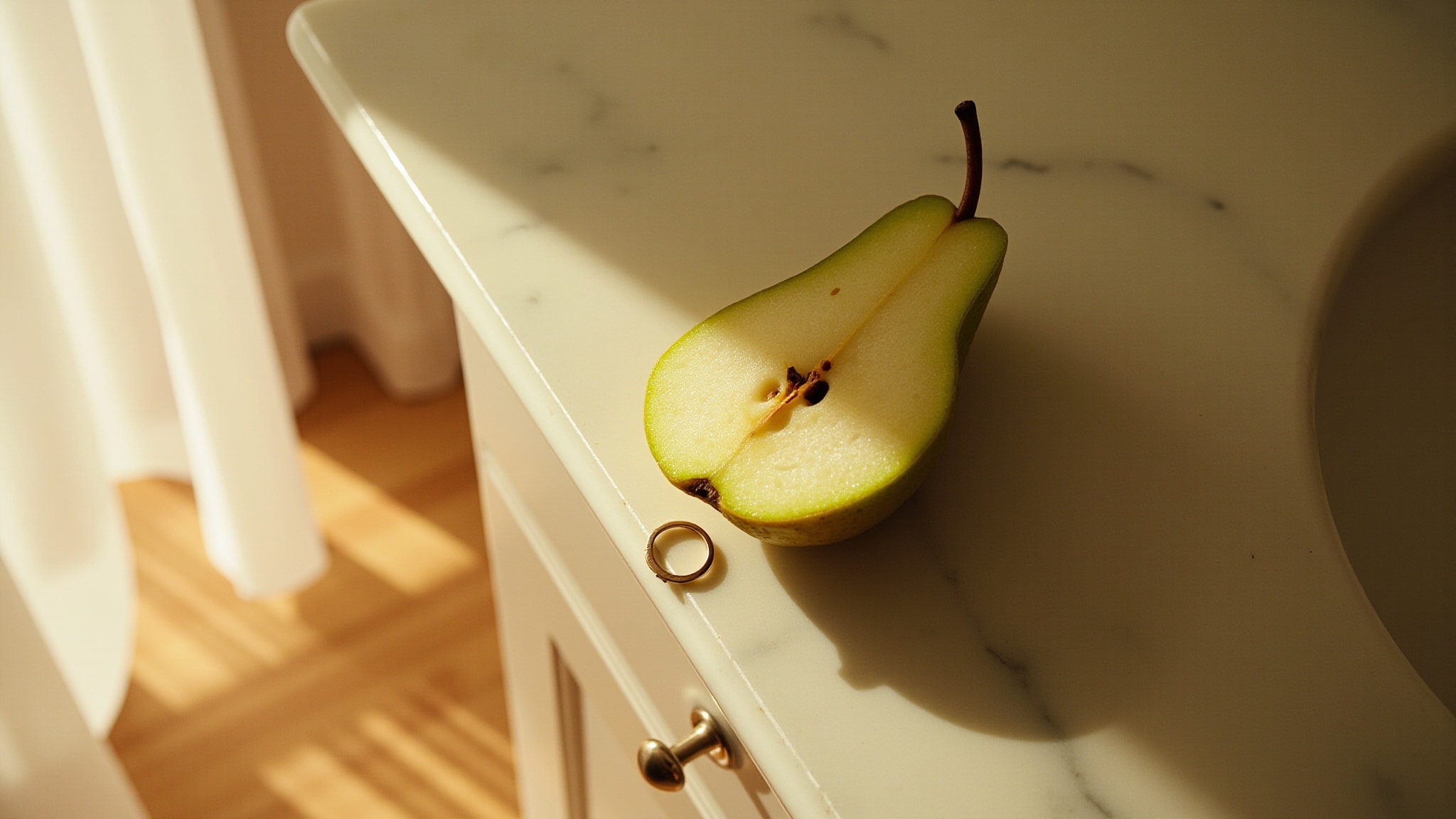
The opening is quick and bright. Pear hits first, green, slightly tart, with bergamot arriving a beat later to sharpen it. You have maybe fifteen minutes of this crispness before the florals begin their ascent. Peony and rose arrive together, neither dominating, both asserting. Lily of the valley adds a clean, green undertone that prevents the heart from feeling heavy. The honey doesn't announce itself, it seeps in, sweetening the deal. Two hours in, the composition has shifted entirely. The florals are still present but the warmth underneath is now the story. Benzoin and sandalwood create a skin-close cloud that reads as both woody and slightly sweet. The cedar adds structure without sharpness. This is the phase where Royal Diamond becomes personal, it takes on your skin's warmth and chemistry. Four to six hours in, on most skin types, the drydown settles into something quiet and clean. Not a whisper, a held note. The pear and bergamot have fully resolved, but there's a residual freshness, a memory of the opening, that keeps the whole thing from feeling heavy.
Cultural impact
Royal Diamond entered a fragrance landscape already crowded with classic British florals, but its 2012 launch positioned it as a quiet statement about restraint. Where contemporaries leaned into sweetness and sillage, Yardley's composition opted for a cleaner arc that echoed the brand's heritage without relying on nostalgia. The Royal collection as a whole served a demographic that valued polish over performance, and Royal Diamond became its flagship expression of that philosophy. Over a decade in market, it has maintained relevance through repositioning rather than reinvention, a rarity in mass-market fragrances that often chase trends.