
The Story
Why it exists.
The beginning
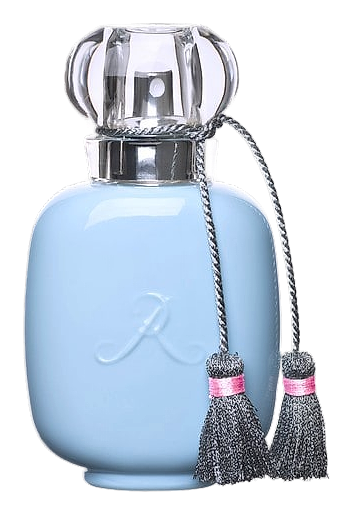
Rose des Neiges translates to Snow Rose. Nicolas Bonneville built this fragrance around a single paradox: what does a rose smell like when it's caught between frost and thaw? The name came first, then the challenge of translating that tension into materials. Frozen mandarin and pink pepper create the initial cold bite, the moment before the snow begins to melt. Watermelon and litchi bring the aqueous quality, the sense of melting ice. Then the rose absolute arrives, softened by white violet, as if the petals are slowly releasing their scent back into warmer air. It's a fragrance about transition, about the moment something frozen begins to return to itself. Bonneville's goal was to modernize the powdery rose by forcing it through an aquatic filter, letting water do what water does, soften edges, carry scent further, create that sense of something larger than its initial impression. The result is a rose that doesn't apologize for being quiet.
The power here lies in the contrast between the frozen opening and the warm, powdery drydown. Pink pepper does real work in the top, it adds a frosty, almost mentholated bite that makes the citrus and watermelon smell colder than they would alone. That's the trick. Without that pepper, you'd have a standard fruity-aquatic opening. With it, you have the sensation of snowflakes landing on skin. The heart is where Les Parfums de Rosine's rose obsession pays off. Rose absolute carries a natural powdery quality that the white violet amplifies, creating a floral heart that feels both classic and modern. The base is where the composition earns its longevity.
The evolution
The opening hits with a sharp, cold burst, frosted mandarin and pink pepper create that first moment of crystalline air. Watermelon and lychee keep it feeling wet, almost aquatic, but the pink pepper prevents it from reading as generic marine. That cold phase lasts roughly 30 minutes before the rose begins to assert itself. The transition isn't dramatic. The rose and white violet arrive quietly, taking over from the fruit without fighting for attention. This is the thawing phase, the moment when frozen petals begin to release their scent. The drydown is where Rose des Neiges earns its name. Heliotrope, musk, ambroxan, and sandalwood create a powdery, skin-close warmth that lingers for 6-8 hours on most skin types. The sillage stays moderate throughout, it projects for an hour or two, then settles into a quiet presence that only someone standing close will notice. On fabric, the drydown can last into the next day, faint but present, like the ghost of a rose pressed between pages of a book.
Cultural impact
Rose des Neiges fits within Les Parfums de Rosine's broader philosophy of exploring rose through different lenses, classical, spicy, powdery, and beyond. The fragrance had not received significant critical attention or broader cultural commentary at the time of its launch, representing a quieter entry into the powdery rose category rather than a defining cultural moment.