Frozen Mandarin
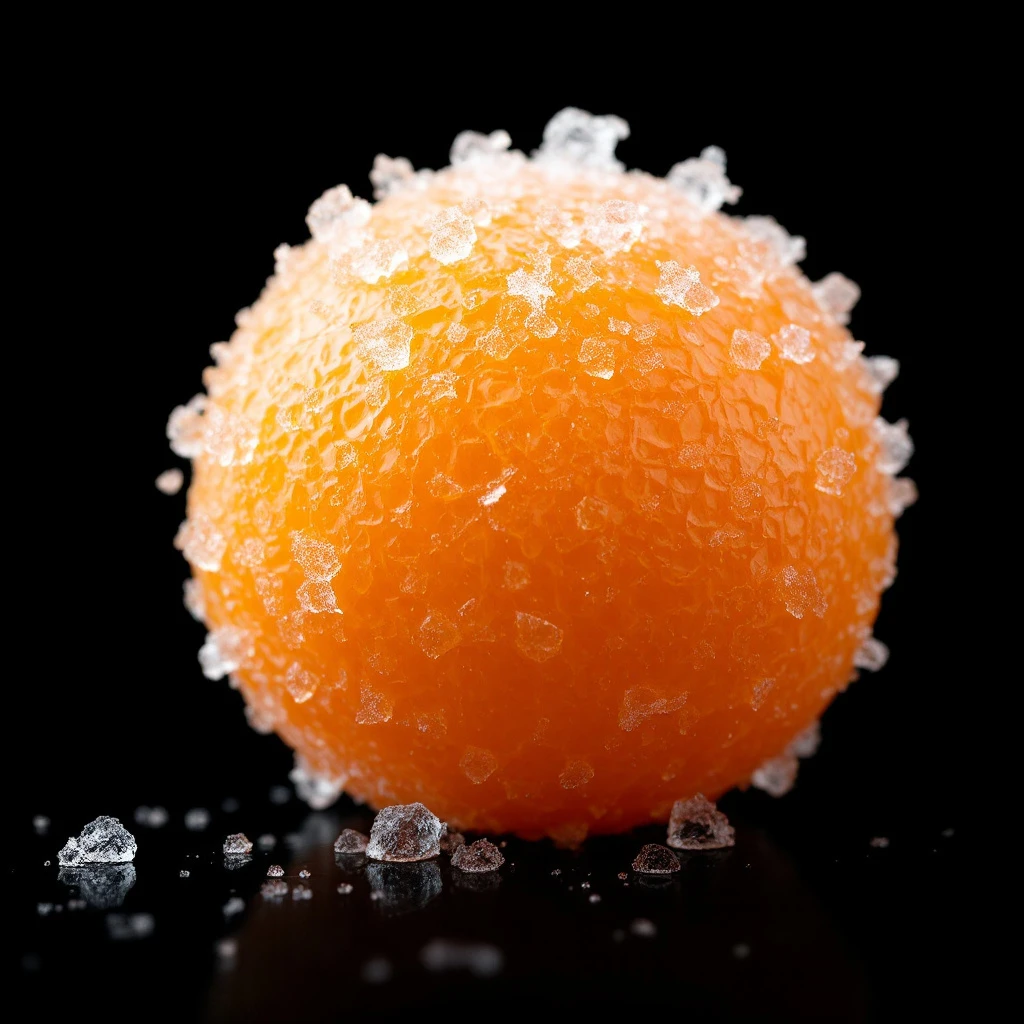
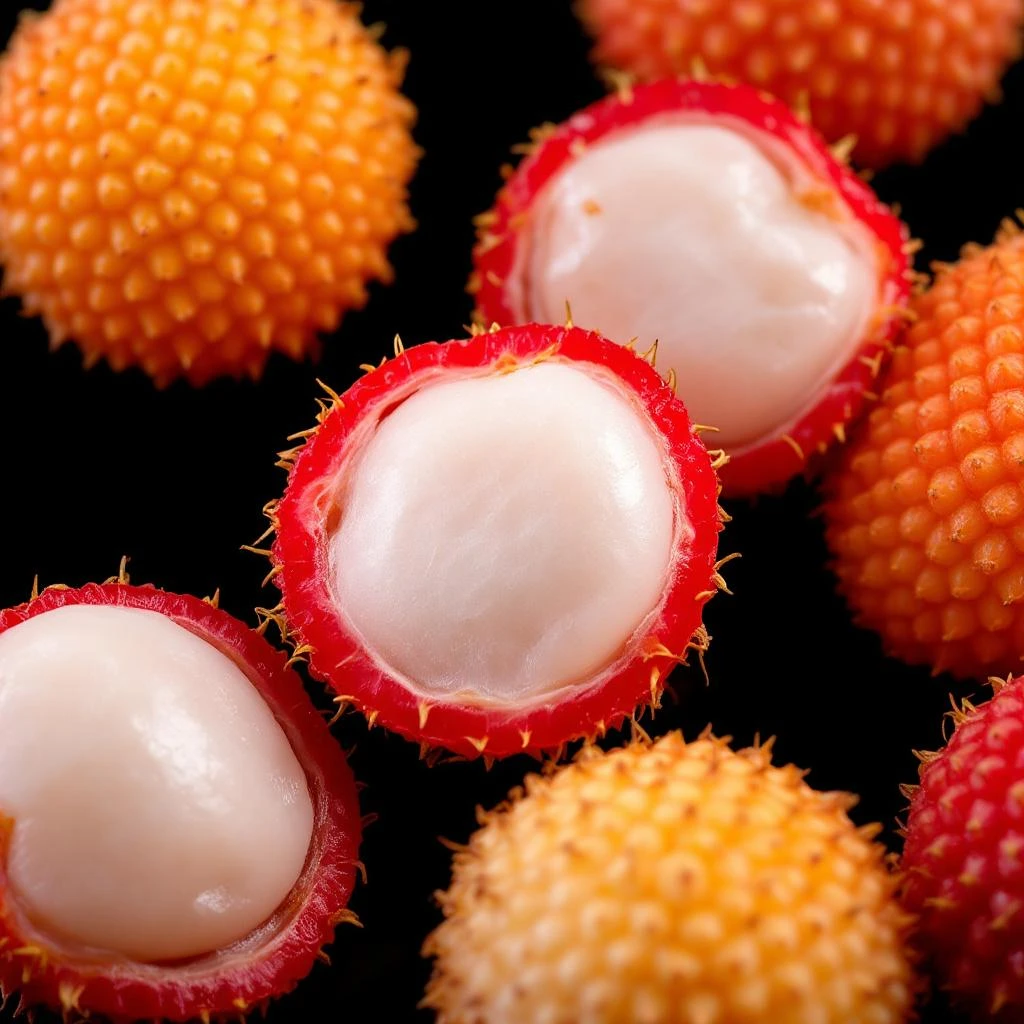
A crisp citrus note captured at its peak. Cold-pressed from ripe mandarin peel, it delivers an immediate burst of bright, almost crystalline freshness that feels like biting into a frozen slice of sunshine.
Character
How it smells
Bright, crisp, and utterly refreshing. Pure citrus joy in every drop.
Ancient Chinese court officials gifted mandarin fruits as symbols of good fortune, inspiring the name we still use today.




Origin
China
The mandarin tree originated in China, where ancient texts document its cultivation along river valleys over two thousand years ago. The fruit's association with officials and scholars gave it cultural significance beyond mere food. Trade routes carried mandarin seeds eastward to Japan and Korea, while European traders only encountered the fruit in the 1800s.
Italian growers proved particularly skilled at cultivating premium varieties suited for extraction. The cold-pressed essential oil that perfumers now prize took time to develop as a commercial product, becoming a fragrance staple only in the late nineteenth century alongside other citrus materials.
Wears it best
Fragrances featuring Frozen Mandarin
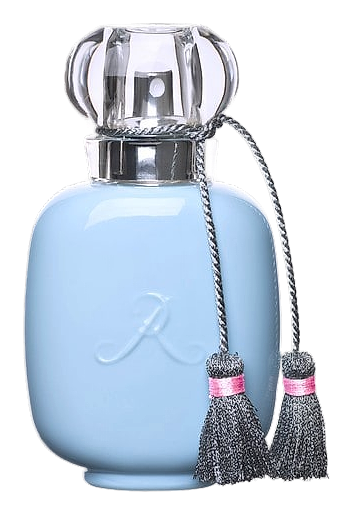
Brands
Brands known for Frozen Mandarin
Good to know
Questions, answered
The essentials on Frozen Mandarin in perfumery: how it smells, where it comes from, and how it behaves on skin.
How is Frozen Mandarin oil extracted?
Cold expression captures mandarin's aromatic oils directly from fresh peel. This mechanical process uses no heat, which protects the delicate citrus compounds that create its characteristic bright, fresh quality. The resulting oil smells most like the actual fruit of any extraction method.
What does Frozen Mandarin smell like?
Mandarin offers sweet and tart notes with a clean, almost juicy quality. The fruit carries a floral undertone that distinguishes it from sharper citruses. Its peel oil smells rounder and more complex than the fruit itself.
Where does mandarin originate?
China is the birthplace of Citrus reticulata. The mandarin tree grows wild in southern and central China, where ancient growers first cultivated selected varieties. The tree reached Europe only in the early 1800s, with Italian growers eventually becoming leading producers of high-quality oil.
Is Frozen Mandarin synthetic or natural?
Frozen Mandarin is typically natural cold-pressed oil. The freeze reference describes either the extraction conditions or the resulting sensory profile. Some perfumers also create synthetic mandarin accord to achieve consistency or reduce costs.
What fragrance families pair well with Frozen Mandarin?
Mandarin works across citrus, floral, and fresh aquatic compositions. It combines naturally with bergamot, grapefruit, and other bright citruses. The oil also supports green tea, white florals, and marine notes without dominating the blend.
Does Frozen Mandarin appear frequently in fine fragrances?
Mandarin ranks among the most common citrus materials in modern perfumery. Both men's and women's fragrances regularly feature it as a top note. Its versatility and universally appealing brightness make it a reliable opening ingredient.
What distinguishes Frozen Mandarin from regular mandarin?
The term refers to the oil's preserved freshness and crispness rather than a separate species. Quality depends on fruit ripeness, extraction timing, and handling. Top producers cold-press within hours of harvest to capture peak aromatic compounds.
How should Frozen Mandarin be stored?
Citrus oils degrade quickly when exposed to light and warmth. Store mandarin oil in a cool, dark place, ideally refrigerated. Under proper conditions, the oil remains viable for approximately two years.