The Story
Why it exists.
The beginning
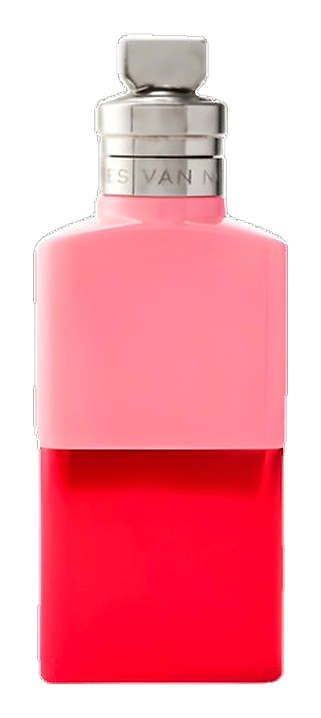
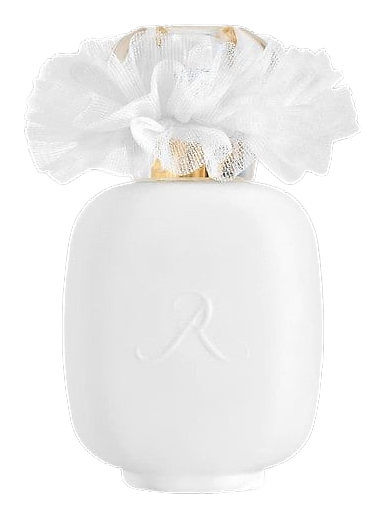
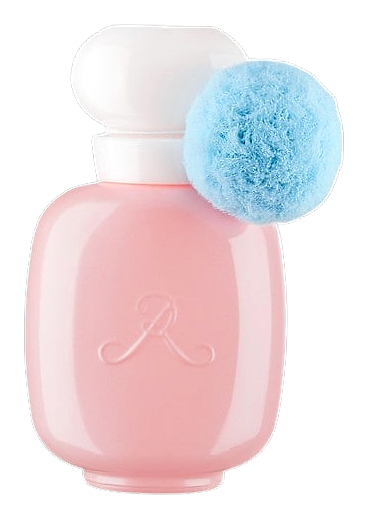
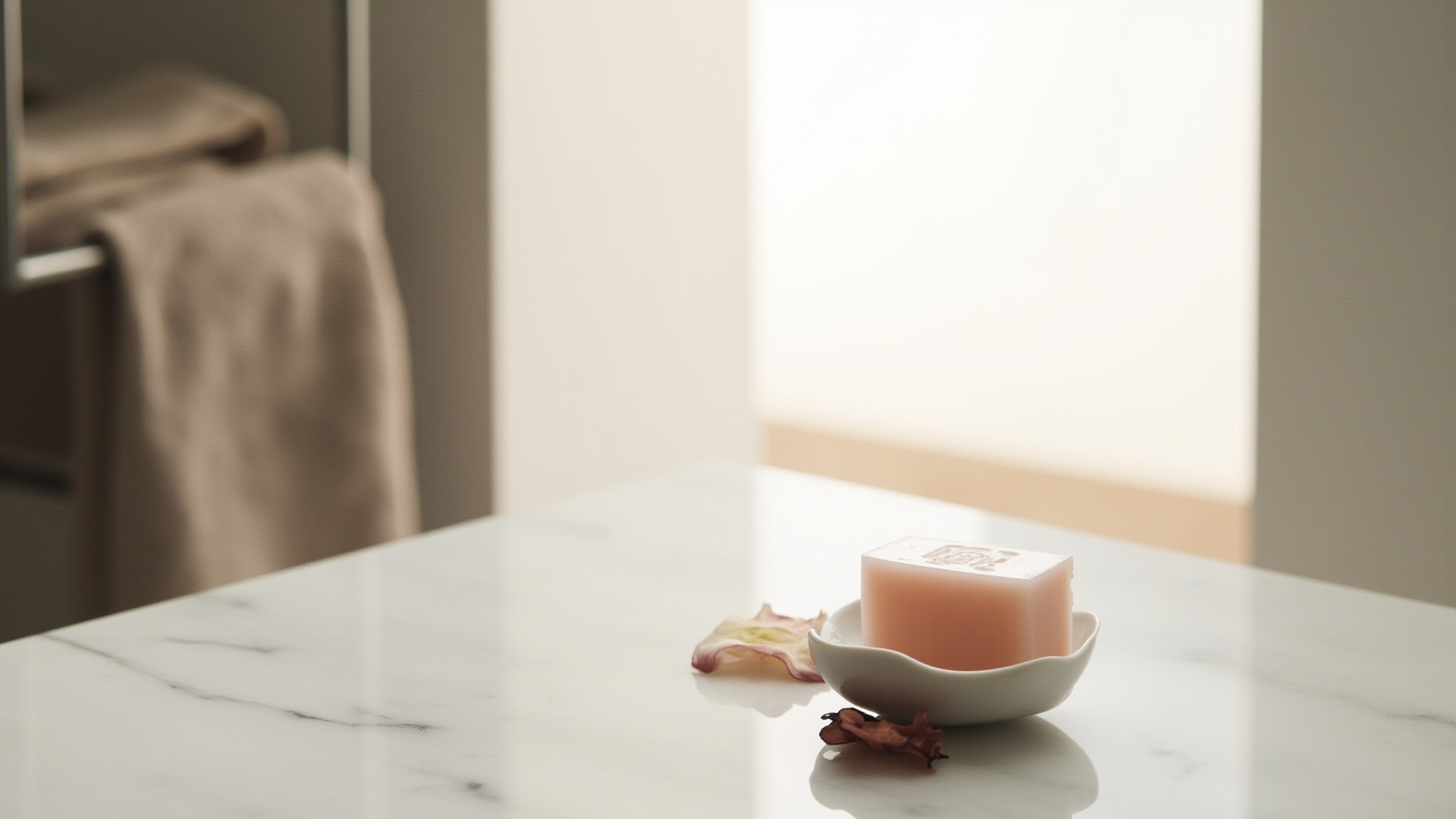
Bulle de Rose arrived in 2021 as a single-minded question: what if the soap note wasn't a background player but the whole point? Serge de Oliveira, composing for Maison Robertet, started with that humble bar-of-soap accord and asked it to carry a fragrance. Not to hide behind florals. Not to support a woody base. To be the concept itself. The Turkish rose absolute came next, rich, almost jam-like, with that green tomato leaf edge that keeps it from becoming sweet. Bergamot and blackcurrant arrived to give it light, to keep the whole thing from feeling like a closed room. The name says it all: Bulle de Rose. A bubble of rose. Delicate, transparent, and strangely confident.
The soap accord is where this fragrance lives or fails. Done wrong, it smells like a public bathroom. Done right, and Oliveira does it right, it becomes the thing you remember about this scent. Clean, but not sterile. Powdery, but not old. The Turkish rose absolute sits beneath it like a second skin, adding depth that keeps the soap from feeling cheap. The blackcurrant and bergamot up top are the real trick: they give the composition lift, a tartness that reads as freshness rather than floral sweetness. Without them, this would be a beautiful accident. With them, it's a deliberate statement about what rose can do when it stops trying to impress.
The evolution
The opening hits with a citrus shimmer, blackcurrant brightness, bergamot sharpness, and it stays there for about twenty minutes before the soap accord announces itself. That's when Bulle de Rose becomes itself. The soap doesn't overwhelm the rose; they hold equal space, a quiet tension that makes the drydown interesting. The rose fades first, as expected, but the soap accord lingers another two hours, powdery, skin-close, with a mineral amber quality from the ambroxan that keeps it from smelling like a bar of soap on a wrist. Six to eight hours on most skin. The base settles into something warm and woody without ever becoming heavy. Cypriol and patchouli give it an earthy undercurrent; sandalwood keeps it soft. The drydown is where Bulle de Rose stops being a fresh floral and becomes something more intimate. That's the tell. That's the moment it stops being a fragrance and starts being a second skin.
Cultural impact
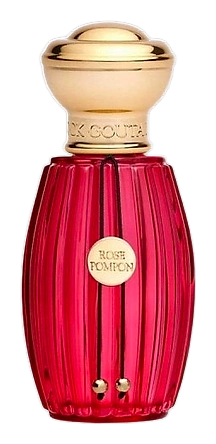
Bulle de Rose enters a niche fragrance space where the soap accord, long relegated to the background of masculine fougères and powdery florals, takes center stage as the primary concept. The rose-and-soap combination has roots in classical perfumery, appearing in formulations like Penhaligon's Elizabethan Rose and early 20th-century colognes that sought to evoke freshly bathed skin. However, modern niche interpretations have elevated this concept, with houses like MDCI and Annick Goutal exploring clean, skin-like accords as sophisticated artistic statements rather than mere scent memories.