
The Story
Why it exists.
The beginning
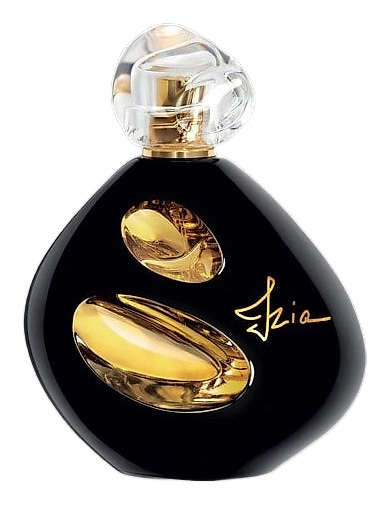
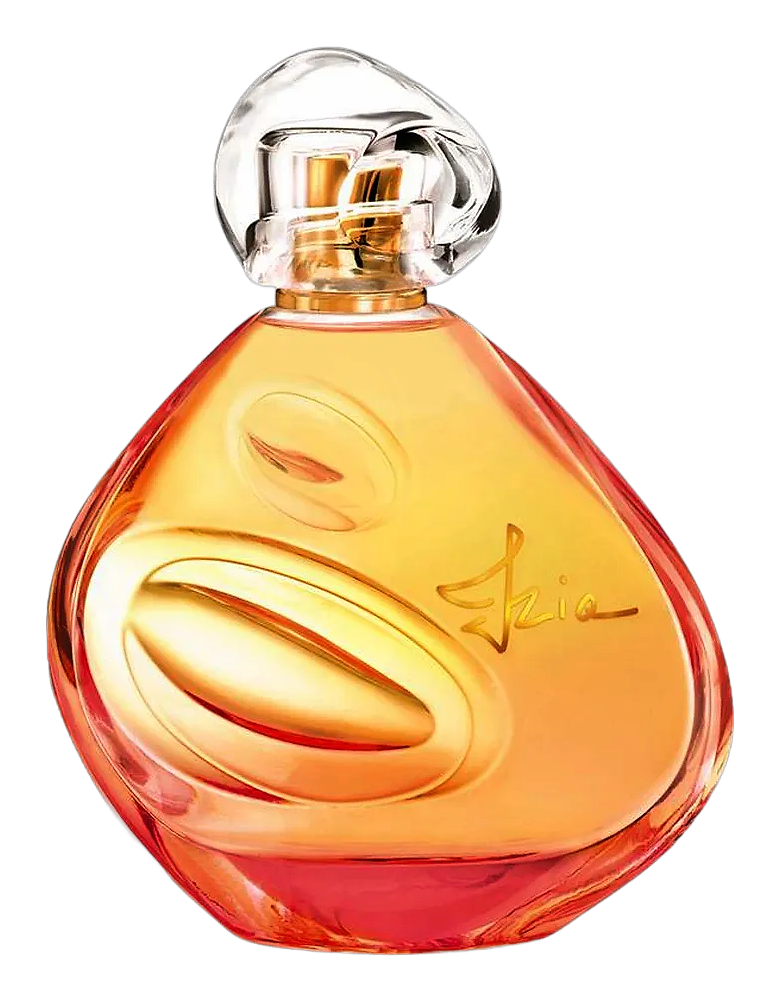
Izia was born from memory. Isabelle d'Ornano carried the scent of rose gardens from her childhood, and in 2017 she brought that memory to life with perfumer Amandine Clerc-Marie. The name itself is a diminutive of Isabelle, an intimate form for something that clearly meant everything. The fragrance captures the feeling of a specific place, translating light and garden into something you could wear. It's the kind of scent that doesn't announce itself loudly but lingers in a room after you've left it, carrying with it the warmth and tenderness of a personal history made tangible through perfume.
What makes Izia unusual is the aldehyde structure running through the heart. Aldehydes are the thing that made Chanel No.5 iconic, they give florals a waxy, almost metallic brightness that can read as soap or as champagne depending on your nose. Here, paired with Calabrian bergamot and pink pepper, that aldehydic quality doesn't let the rose relax into sweetness. It keeps the composition alert, a little angular, even as peony and lily of the valley try to soften it. The result is a rose that argues with itself between elegance and edge.
The evolution
The opening arrives with aldehydes and bergamot, creating a sharp, citrus-bright burst that settles as the florals begin to emerge. Rose and peony take over the heart, but the aldehydic edge doesn't fully disappear. It threads through the petals like a wire, keeping everything upright and lively. As the hours pass, cedar and musk arrive. The florals fade but the warmth deepens, settling into something skin-close and persistent. On most people, this holds through a full workday at moderate sillage, present without announcing itself, intimate without disappearing. The progression feels natural, each stage building on what came before rather than replacing it entirely.
Cultural impact
Izia occupies a distinct space in modern floral perfumery. The aldehydic structure gives it a vintage sensibility that sets it apart from contemporary interpretations, while the overall composition keeps it relevant and wearable. The fragrance has a quiet confidence that appeals to those who prefer presence over performance. Wearers describe it as the scent of someone who doesn't need to announce themselves, present but not demanding. It's the kind of perfume that creates a subtle signature, memorable without being overwhelming.