    Brand Profile

    Sisley Paris began as a family‑run laboratory in 1976, when Count Hubert d'Ornano and Countess Isabelle d'Ornano turned their expertise in b…More

    France·Est. 1976·Site

    6

    Fragrances

    4.0

    Rating

    48
    Eau de Campagne by Sisley – Cologne
    4.1

    Eau de Campagne

    Cologne

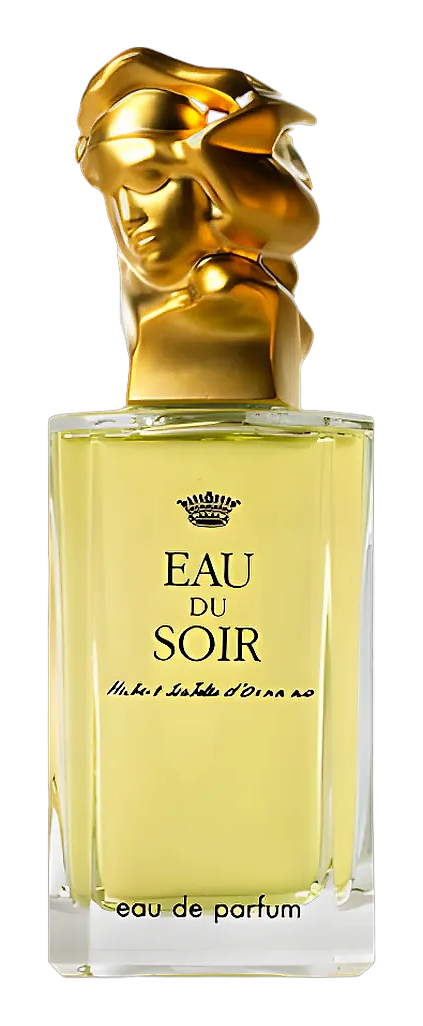
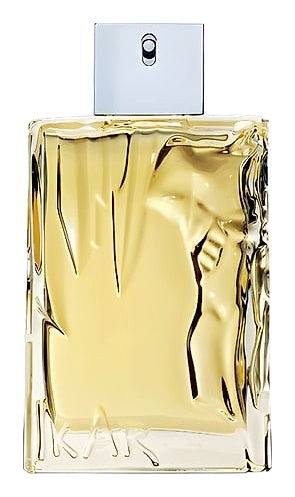
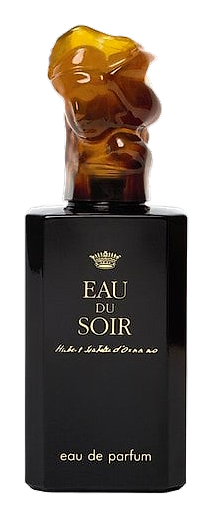
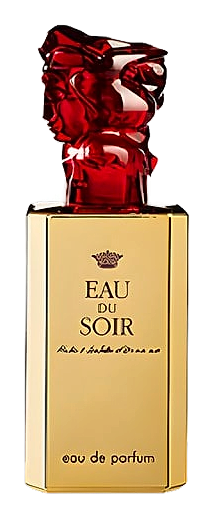
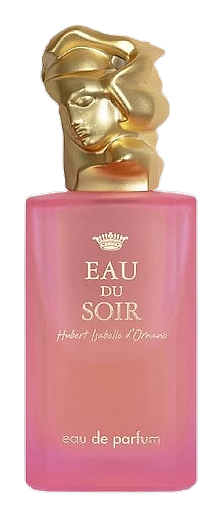
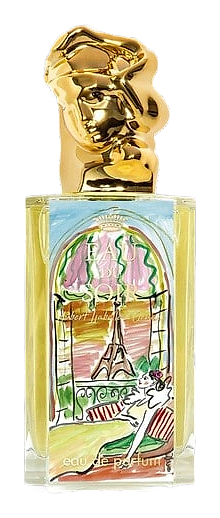
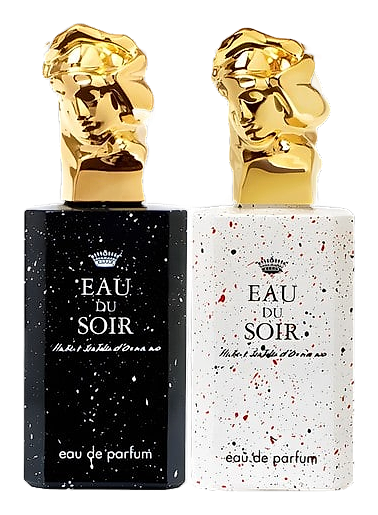
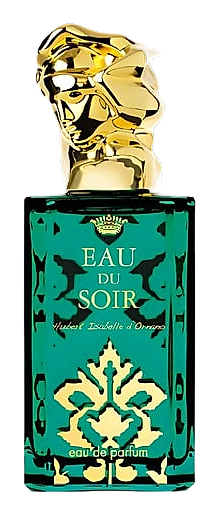
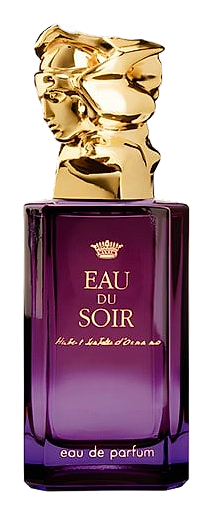
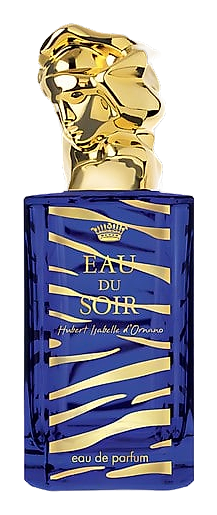
    Eau du Soir by Sisley – Eau de Parfum
    4.1

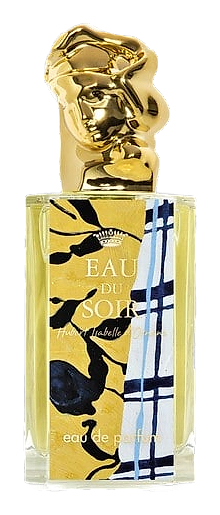
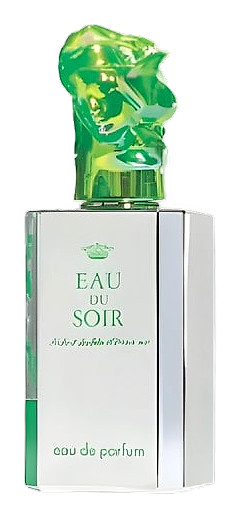
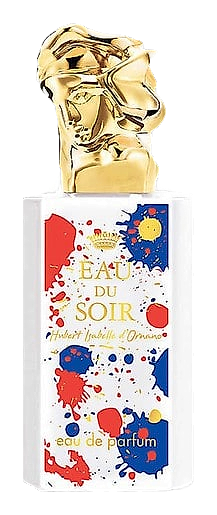
    Eau du Soir

    Eau de Parfum

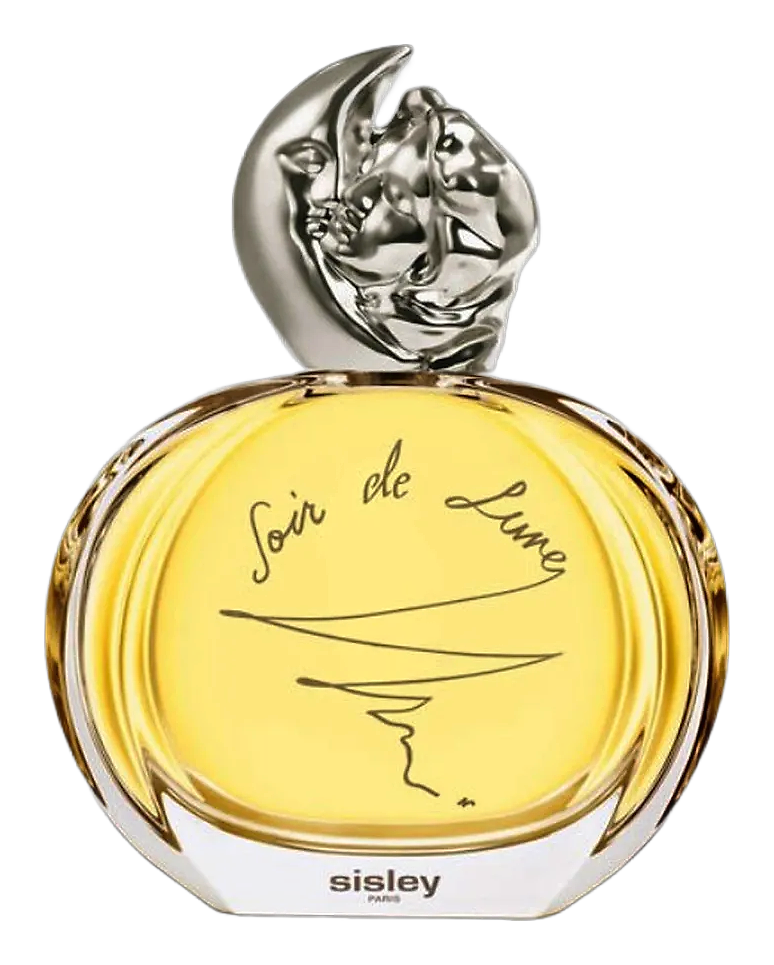
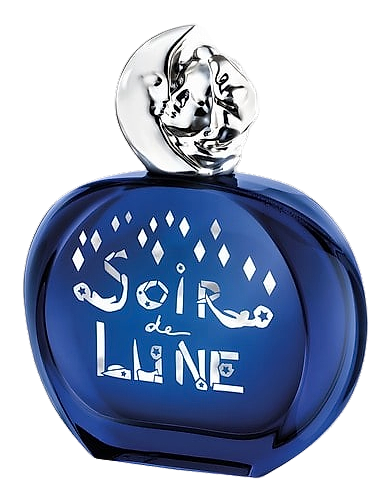
    Soir de Lune by Sisley – Eau de Parfum
    4.0

    Soir de Lune

    Eau de Parfum

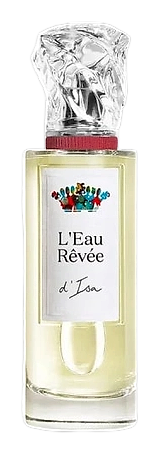
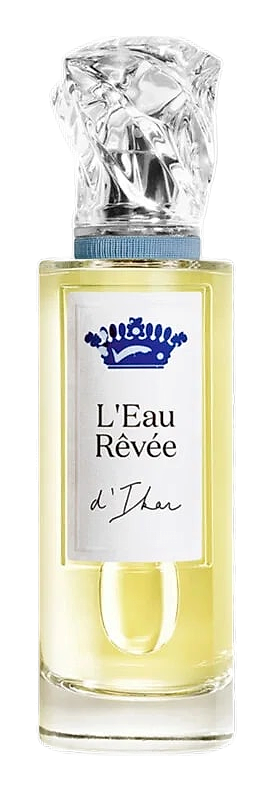
    L'Eau Rêvée D'Isa by Sisley
    4.0

    L'Eau Rêvée D'Isa

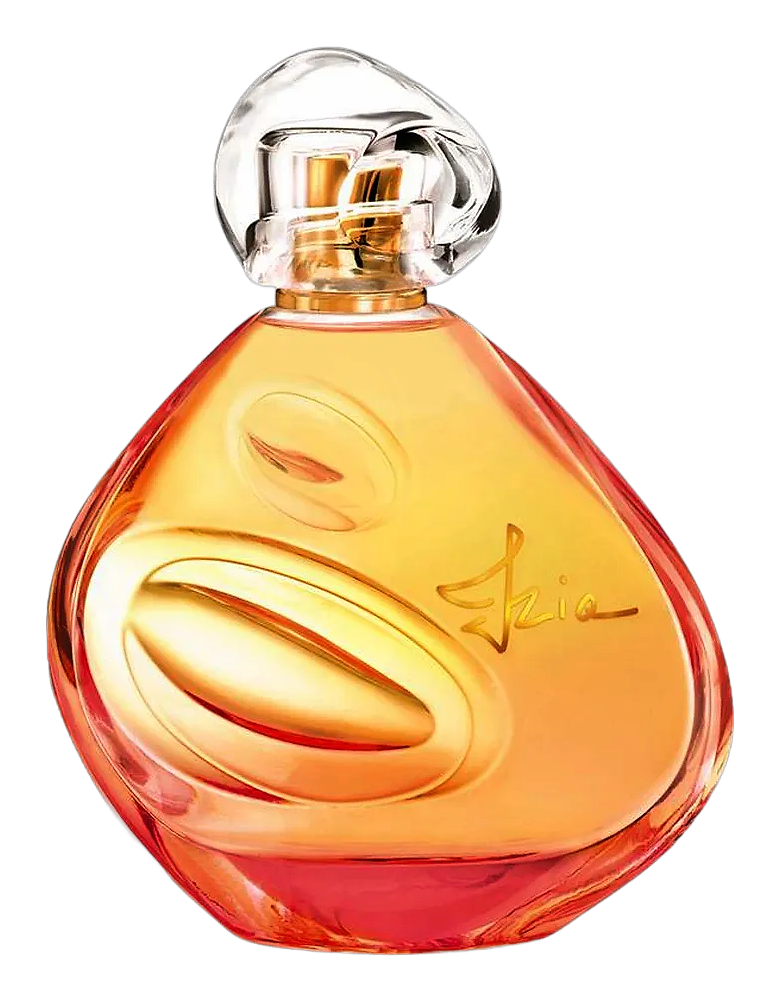
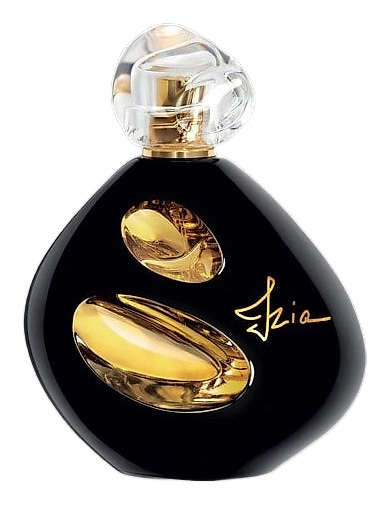
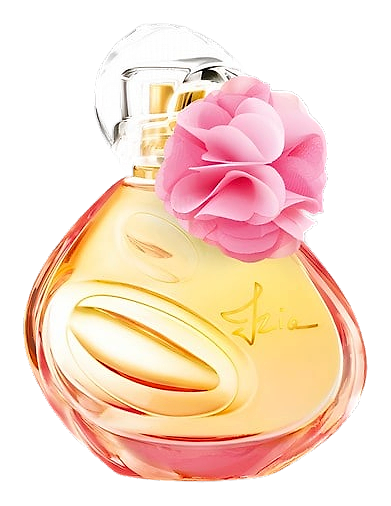
    Izia by Sisley – Eau de Parfum
    3.9

    Izia

    Eau de Parfum

    Izia La Nuit by Sisley – Eau de Parfum
    3.8

    Izia La Nuit

    Eau de Parfum

    Soir de Lune Édition Limitée 2015 by Sisley
    Best Seller
    4.3

    Soir de Lune Édition Limitée 2015

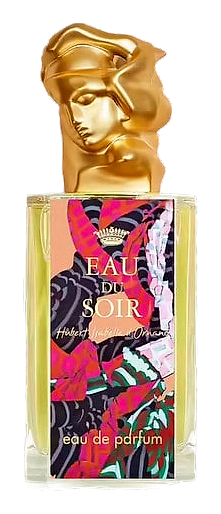
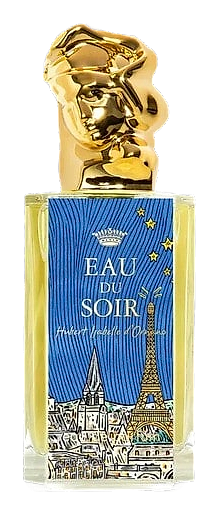
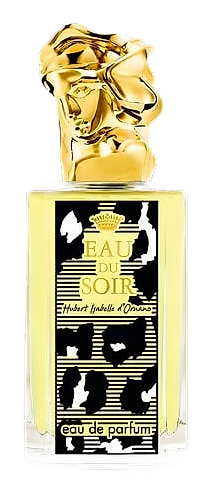
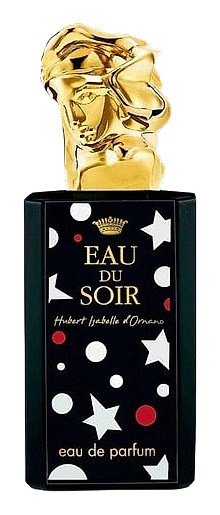
    Eau du Soir 2018 by Sisley
    Best Seller
    4.3

    Eau du Soir 2018

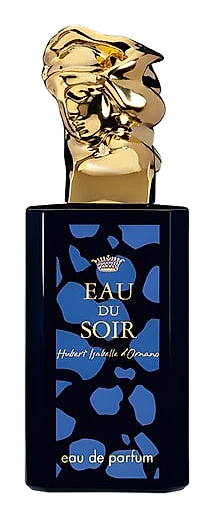
    Eau du Soir 2016 by Sisley
    Best Seller
    4.2

    Eau du Soir 2016

    Izia Anniversary Edition 2018 by Sisley
    4.0

    Izia Anniversary Edition 2018

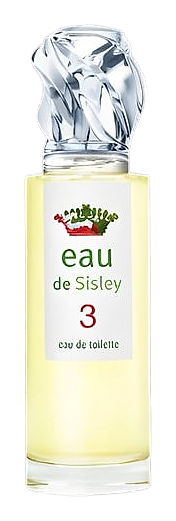
    Sisley Eau de 3 by Sisley
    4.0

    Sisley Eau de 3

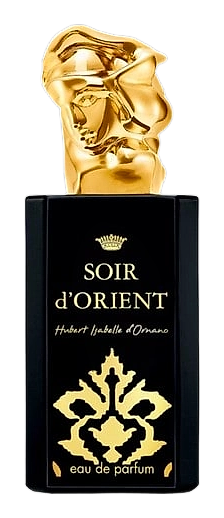
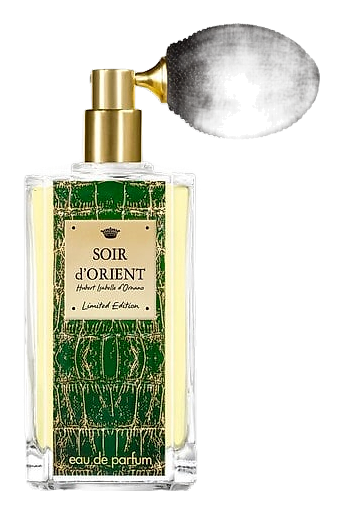
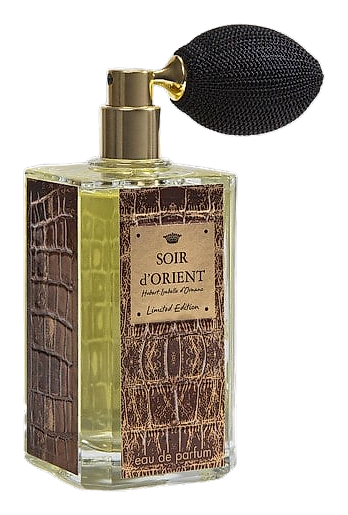
    Soir d'Orient Wild Edition by Sisley
    4.0

    Soir d'Orient Wild Edition

    1 of 4

    The Heritage

    The Story of Sisley

    Sisley Paris began as a family‑run laboratory in 1976, when Count Hubert d'Ornano and Countess Isabelle d'Ornano turned their expertise in botanical cosmetics into a fragrance house. The brand draws its name from the Impressionist painter Alfred Sisley, reflecting a commitment to artful composition and natural ingredients. Over the decades Sisley has introduced a modest but respected line of perfumes, each anchored in plant‑derived essences and a quiet French elegance that appeals to collectors who value authenticity over hype.

    Heritage

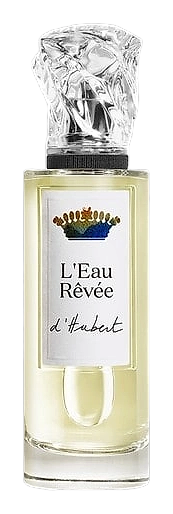
    The d’Ornano family entered the beauty world long before Sisley was born; Hubert’s grandfather served on the board of Coty, giving the family deep ties to French cosmetics. In 1976 Hubert and Isabelle purchased a small perfume laboratory and renamed it after Alfred Sisley, a painter whose soft brushwork they admired. Their first fragrance, Eau de Campagne, launched that same year and showcased a simple blend of meadow herbs, setting a tone for botanical focus. In 1990 the couple released Eau du Soir, a scent Hubert crafted for Isabelle that she wore privately for eight years before the brand offered it to the public. The early 2000s saw the introduction of Izia, a rose‑centric perfume that referenced Isabelle’s childhood memories of the rose gardens at the family castle in Lançut, Poland. Limited editions such as Soir de Lune (2006) and its 2015 Édition Limitée version reinforced Sisley’s practice of revisiting classic formulas with subtle updates. Recent releases, including L'Eau Rêvée D'Hubert (2023), demonstrate the brand’s ongoing dialogue between heritage and contemporary sensibility. Throughout its history Sisley has remained independent, keeping production in France and preserving a small‑scale, research‑driven approach that distinguishes it from larger luxury houses.

    Craftsmanship

    Production at Sisley takes place in a dedicated French facility where chemists and perfumers collaborate daily. The brand sources many of its botanical actives from French farms that specialize in lavender, rosemary, and rose cultivation, and it supplements these with ethically harvested ingredients from Mediterranean and exotic locales. Each raw material undergoes rigorous organoleptic testing before entering the formulation stage, ensuring purity and consistency. Sisley’s R&D team blends traditional extraction methods, such as steam distillation and cold‑pressing, with modern analytical techniques to preserve the delicate aroma profile of each ingredient. The company maintains a strict quality‑control protocol: every batch is evaluated for scent fidelity, stability over time, and skin safety. Bottles are filled by hand in a cleanroom environment, and the brand records detailed batch logs for traceability. This meticulous approach allows Sisley to keep the concentration of natural actives higher than many mass‑market perfumes while still meeting regulatory standards for safety and performance.

    Design Language

    Visually, Sisley favors a restrained elegance that mirrors its botanical focus. Early bottles, such as Eau de Campagne, feature clear glass with minimal labeling, allowing the perfume’s colour to become the centerpiece. Later releases introduce subtle gold or copper accents, but never at the expense of simplicity. The brand’s graphic identity uses soft, muted palettes—often pastel greens, creams, or pale blues—that evoke garden spaces and natural light. Typography remains clean and sans‑serif, reinforcing a modern yet timeless feel. Limited‑edition scents sometimes incorporate textured caps or engraved details that reference the artwork of Alfred Sisley, creating a quiet dialogue between scent and visual art. Overall, the aesthetic communicates a sense of understated luxury, inviting the consumer to focus on the fragrance itself rather than overt branding.

    Philosophy

    Sisley’s creative vision rests on the belief that plants hold the most refined aromatic material. The brand’s statements and third‑party profiles emphasize a commitment to using the highest quality essential oils and botanical extracts, a principle that guides both skincare and perfume development. Rather than chasing trends, Sisley selects raw materials for their intrinsic character and builds compositions that let those qualities speak. The house works with a network of French perfumers who share a respect for natural nuance, and it invests in in‑house laboratories to test stability and skin compatibility. Sustainability appears in the brand’s language as a long‑term responsibility: sourcing ingredients from growers who practice environmentally sound methods and maintaining traceability from field to bottle. This philosophy translates into fragrances that feel like a quiet garden walk rather than a theatrical showcase, inviting wearers to experience scent as a natural extension of their surroundings.

    Key Milestones

    1976

    Count Hubert d'Ornano and Countess Isabelle d'Ornano founded Sisley Paris and launched the first fragrance, Eau de Campagne.

    1990

    Eau du Soir was released after eight years of private use by Isabelle, marking the brand’s first widely recognized perfume.

    2008

    Izia debuted, celebrating rose gardens from the family’s Polish estate and expanding Sisley’s floral repertoire.

    2015

    Soir de Lune Édition Limitée was issued, offering a refined reinterpretation of the original 2006 scent.

    2023

    L'Eau Rêvée D'Hubert launched, reflecting a contemporary tribute to the founder’s legacy.

    At a Glance

    Brand profile snapshot

    Origin

    France

    Founded

    1976

    Heritage

    50

    Years active

    Collection

    6

    Fragrances released

    Avg Rating

    4.0

    Community sentiment

    Release Rhythm

    2026
    1
    2025
    2
    2024
    1
    2023
    7
    2022
    1
    2021
    2
    2020
    1
    2019
    2
    sisley-paris.com

    Did You Know?

    Interesting Facts

    Distinctive details and defining moments that shape the house personality.

    01

    The brand name honors Alfred Sisley, an Impressionist painter whose soft, natural palettes inspired the founders’ approach to scent.

    02

    Eau du Soir began as a private fragrance that Isabelle d'Ornano wore exclusively for eight years before the house released it to the public.

    03

    Sisley maintains its own botanical research plots in France, allowing the team to study plant growth cycles and extract quality directly from the source.

    04

    Unlike many luxury houses, Sisley produces all of its perfumes in a single French facility, preserving tight control over formulation and bottling.