The Story
Why it exists.
The beginning
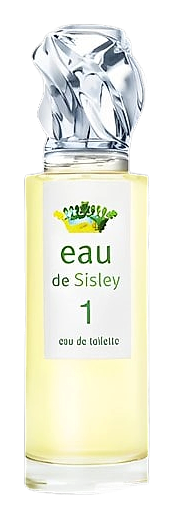
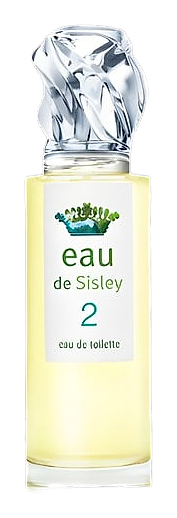
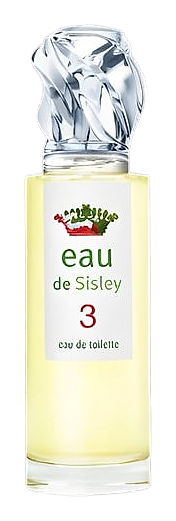
Shyamala Maisondieu created Eau de 3 for Sisley in 2009 as the third chapter in the house's three-sister concept. The Eau de Sisley line arrived as three distinct facets of one woman, each numbered rather than named. Number three was conceived as the luminous one, the one that attracts mysteriously, the one where the citruses refuse to be background noise and instead become the whole point. Maisondieu built it around a citrus quartet that doesn't dilute its brightness across the composition, it leads, confidently, and everything else arranges itself around that decision. The citrus opens with an immediate effervescence, a bright lift that feels both precise and alive, the kind of clarity that announces itself without apology.
The choice of osmanthus in the heart is the structural hinge. Most perfumers reach for jasmine or rose when they want florality that supports citrus. Osmanthus does something different, it reads apricot, faintly sweet, quietly complex, and it doesn't fight the brightness above it. It waits, then softens. Below that, the base is where the composition gains depth: patchouli and vetiver anchoring the brightness with earth and smoke, benzoin adding resinous warmth, vanilla and musk bringing the whole thing close to skin. The result is a citrus fragrance that doesn't evaporate. It stays.
The evolution
First contact: citrus quartet fires immediately. Bergamot, grapefruit, lemon, mandarin, not a blend, a chorus. Each voice distinct, the combined effect effervescent. Ten minutes in, the ginger announces itself, clean heat, no fire, the smell of spice without combustion. The handoff is clean. Through it: osmanthus, softly floral, faintly apricot, a middle act that refuses drama. Then the base arrives and doesn't leave quickly. Patchouli's earth. Vetiver's smoke. Benzoin's resinous warmth. Vanilla's quiet sweetness. Musk holding it all close. The sillage stays moderate, someone sitting next to you will catch it, but only if they're paying attention.
Cultural impact
Eau de 3 occupies a specific position within the three-sister collection: not the most playful, not the most formal, but the one where brightness becomes the point rather than the opening act. It appeals to wearers who want citrus that earns its place in the drydown, who find most bright fragrances vanish before they've made their case. The collection structure, three numbered siblings, three faces of the same woman, invites comparison and collection-building, and number three has found its audience among those who return to it for a specific kind of uncomplicated sophistication.