Jeannine Mongin
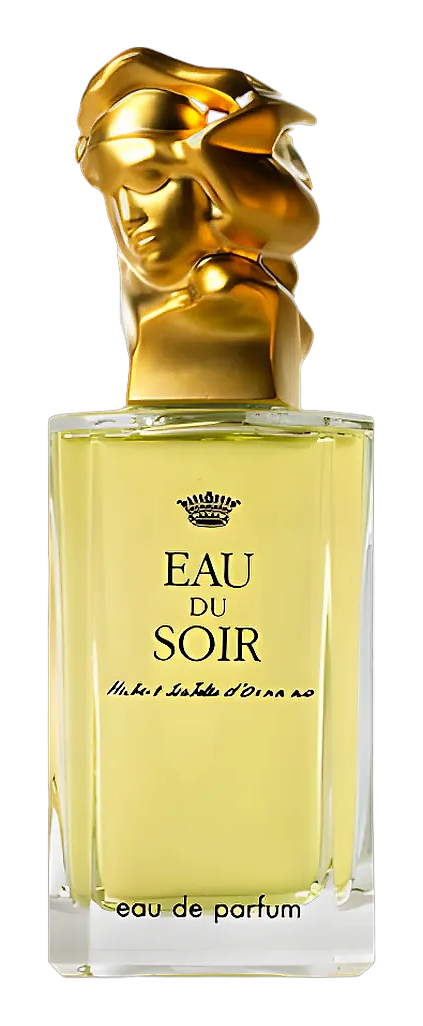
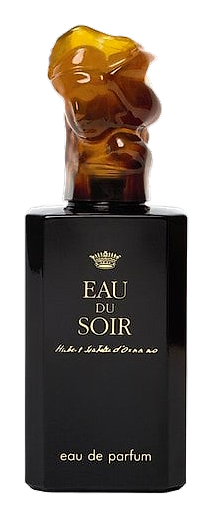
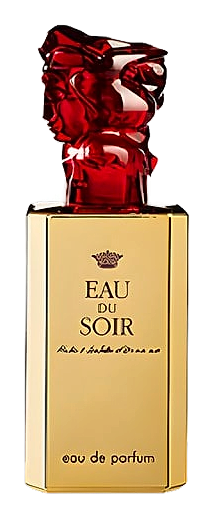
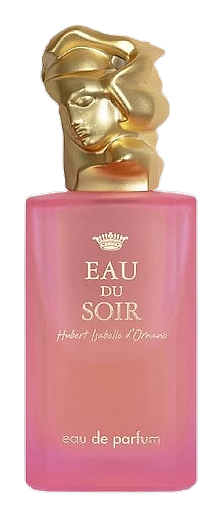
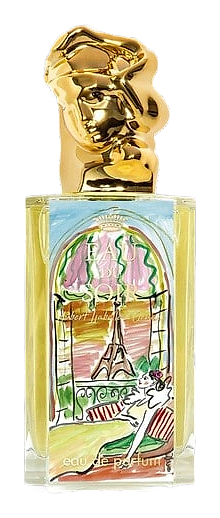
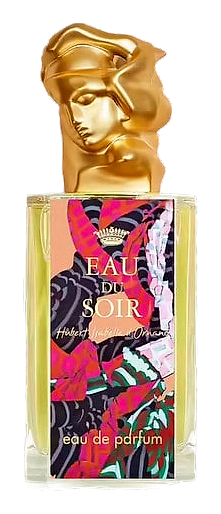
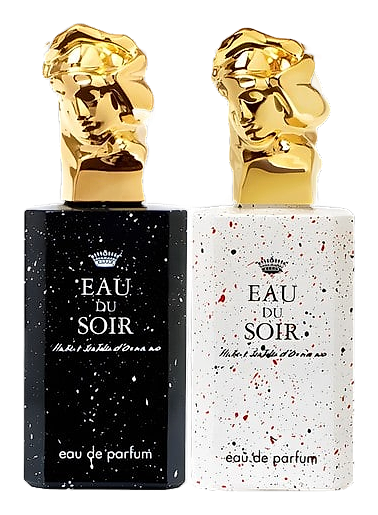
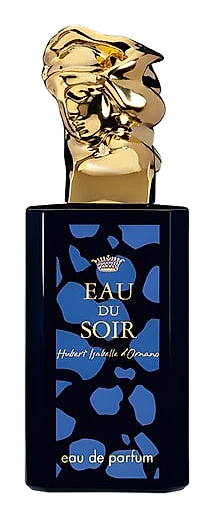
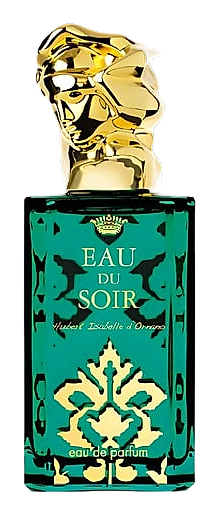
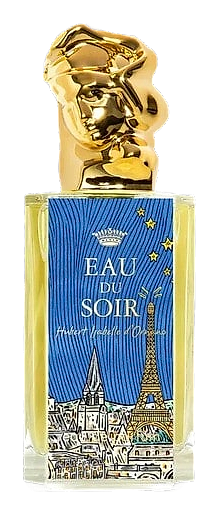
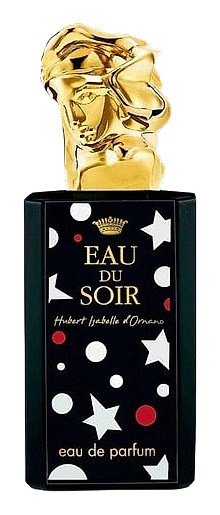
Jeannine Mongin belongs to a rarefied generation of French perfumers who trained during a transformative period for the industry. She built her career at Roure Bertrand Dupont, the historic Grasse house that eventually became part of Givaudan's structure. Beyond her commercial work, Mongin played a foundational role in creating the Osmotheque, the legendary perfume archive in Versailles that preserves and revives historical formulas. Her collaborations with Sisley, including the iconic Eau du Soir alongside Hubert and Isabelle d'Ornano, cemented her reputation as a master of refined, botanically-rooted fragrance. She brought a chemist's precision and an artist's sensibility to her craft, and her work spans both the creation of new perfumes and the careful reconstruction of heritage formulas.
The hits
Notable creations
The signature
How Jeannine composes
Her signature technique favors transparency and restraint. Mongin builds fragrances where each note breathes without crowding the composition. She structures perfumes with clarity, allowing ingredients to reveal themselves gracefully over time rather than overwhelming the wearer all at once. Her preference runs toward green florals and aromatic herbs, materials that honor the botanical heritage of the Grasse region. She approaches natural essences as living substances, celebrating their variability rather than standardizing them away.
Philosophy
What drives Jeannine
Mongin approaches fragrance as a dialogue between tradition and discovery. She draws from botanical sources with deep respect for their history in perfumery. Her process begins with research, yet she leaves room for intuition to guide the final composition. She believes in working with natural materials whenever possible, understanding that each ingredient carries its own story and character.
The houses
Maisons Jeannine composes for
In the same league