The Story
Why it exists.
The beginning
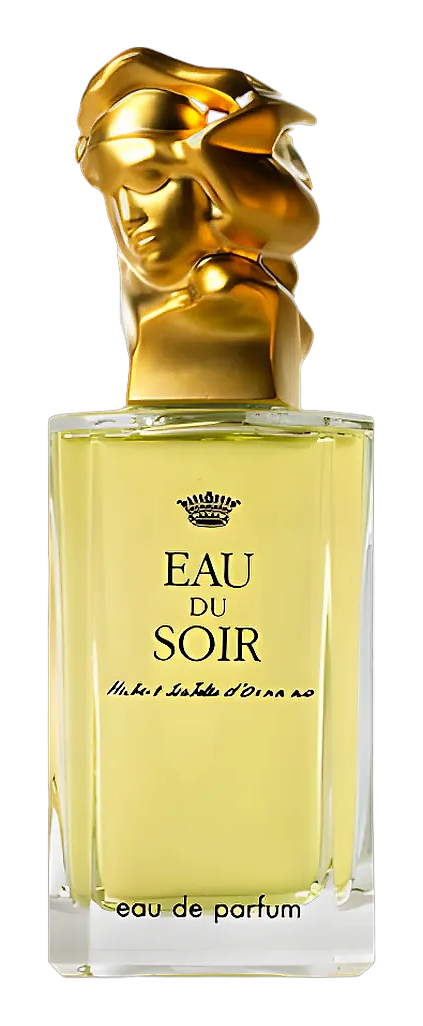
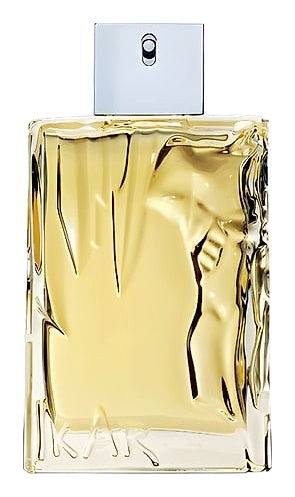
Eau du Soir began as a private love letter. In 1990, Hubert d'Ornano crafted it for his wife, Countess Isabelle, a scent she wore only for herself, behind closed doors, for eight years. The composition was too personal, too specific to her, to belong to anyone else. When it finally released to the public, the story followed: a husband who knew his wife's skin better than any perfumer, a fragrance built for one woman that the world demanded in return.
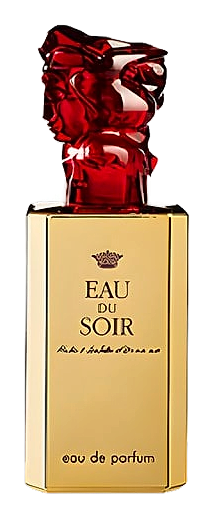
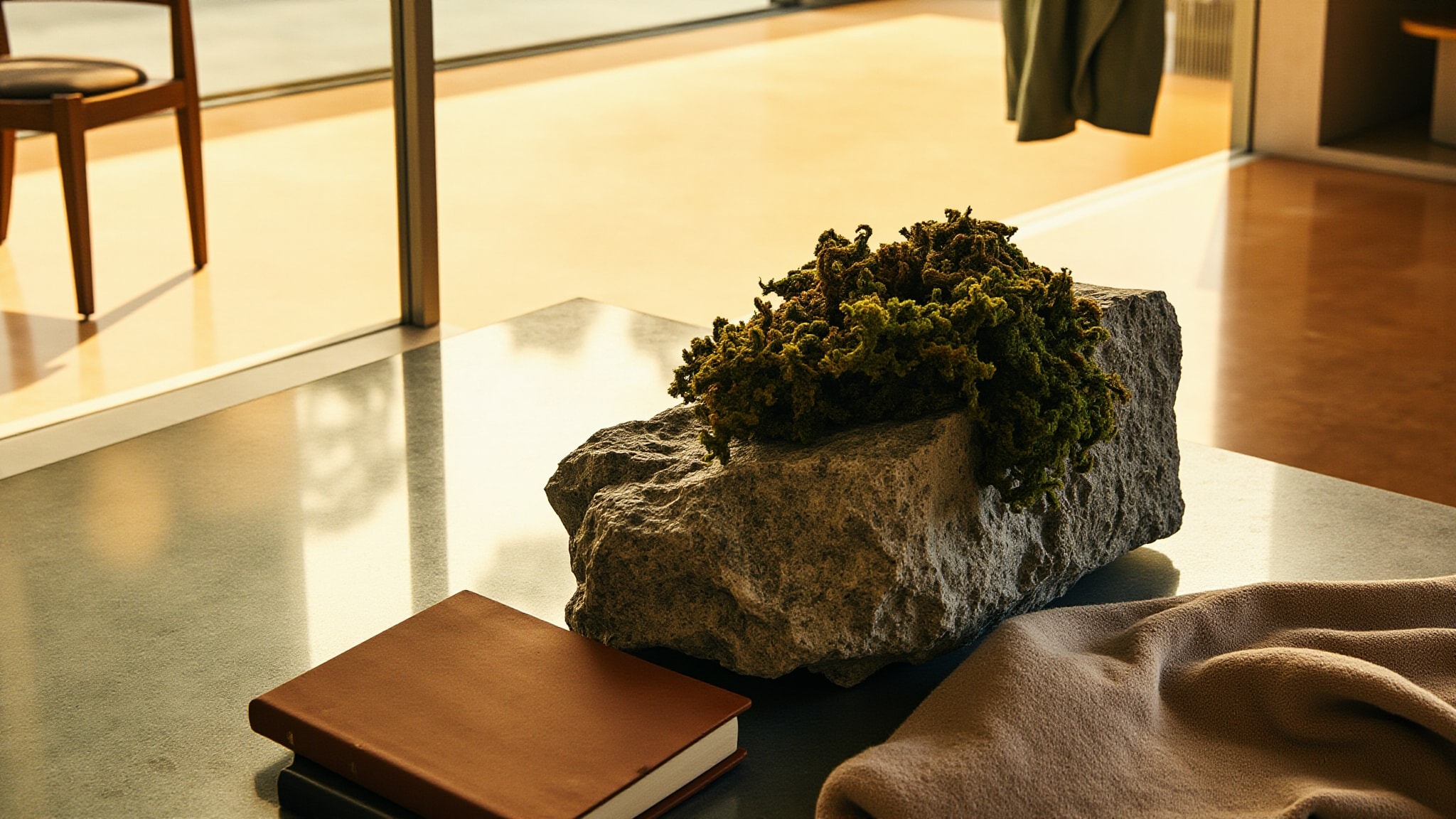
The 2006 edition marks a special Christmas iteration, same soul, new presentation. A golden bottle, a red stopper, the same layered heart of twelve notes that made the original controversial and beloved. Oakmoss dominates the structure here, not as ornament but as architecture. Carnation and iris shade the florals into something cooler, more herbaceous than sweet. The patchouli doesn't whisper, it anchors. This is a chypre that takes its name seriously: evening, evening, always evening.
The evolution
The opening arrives bright, mandarin and grapefruit, clean and direct. Thirty minutes in, the oakmoss takes over, green and insistent, pushing the florals into shadow. Jasmine and ylang-ylang breathe beneath the moss canopy, never quite sunlight but present, warm. By hour three, the base emerges: musk and amber settling close to the skin, intimate rather than announced. The drydown lasts another two to three hours, a quiet echo of warmth on fabric, still detectable the next morning on wool.
Cultural impact
Eau du Soir occupies an unusual position in the chypre canon: neither the blockbuster powerhouse of the 1980s nor the minimalist neutrals that followed. It belongs to a specific 2000s moment when niche sensibilities began infiltrating mainstream houses, complex, demanding, moss-forward in an era that was quietly phasing oakmoss out of formulas. Collectors seek it for precisely that reason: a true chypre, uncompromised.