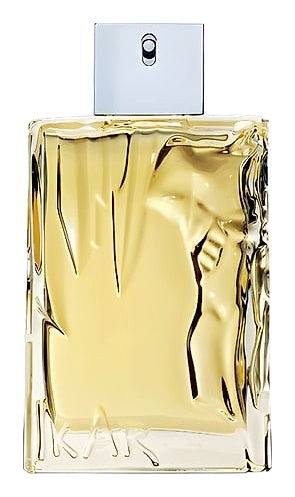

The Story
Why it exists.
The beginning
The name Ikar points skyward, toward something boundless and unhurried. When Vincent Ricord began composing this fragrance in the early 1990s, the raw material at its center was mastic resin, drawn from trees that grow on the island of Corsica. Two decades passed before the formula felt right. Twenty years of iteration, of the perfumer returning to the same raw material, mastic resin, and finding something different each time. The work required patience; Sisley had built its reputation on botanical patience, and a masculine fragrance deserved the same discipline. Each iteration refined the relationship between the resinous depth and the bright citrus that would eventually open the composition.
Mastic is the thread. It appears in the top as a resinous green note, slightly bitter, like sap on the tongue. It reappears in the heart as an absolute, richer and rounder, now softened by iris powder and the faint astringency of Pekoe tea. And it settles in the base, where it anchors the woody structure without dominating. The note's recurrence isn't a trick, it's a commitment. Sisley wanted mastic to be the composition's spine, not just a flashy opening act.
The evolution
The opening hits like light through a window, bergamot and bitter orange arrive sharp, almost austere. The Amalfi lemon adds a Mediterranean brightness that feels specific, not generic. For the first twenty minutes, the composition reads clean and green. Then the mastic thickens. It doesn't replace the citrus, it shadows it, giving the brightness a resinous undercurrent. The carrot seed emerges here, adding a mineral depth that feels like soil rather than sweetness. By the second hour, the heart takes over. Iris powder rises through the composition, softening everything. The Pekoe tea adds a quiet astringency, a slight bitterness that keeps the sweetness honest. Jasmine appears, not as a floral statement but as a warmth that rounds the edges. The reed note keeps everything grounded in green stillness.
Cultural impact
Eau d'Ikar arrived in 2011 as Sisley's first masculine fragrance, twenty years in development, and it showed. The fragrance occupies a specific register: not the performative luxury of niche houses, not the commercial safety of designer releases, but something quieter. Collectors who track Sisley recognized it as the work of a perfumer who had time to get it right. The mastic-centric structure was unusual for the period. What audiences found was a fragrance that asked for patience and rewarded it, a composition that revealed different aspects as time passed rather than projecting everything at once.