The Story
Why it exists.
The beginning
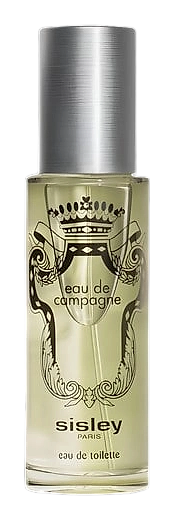
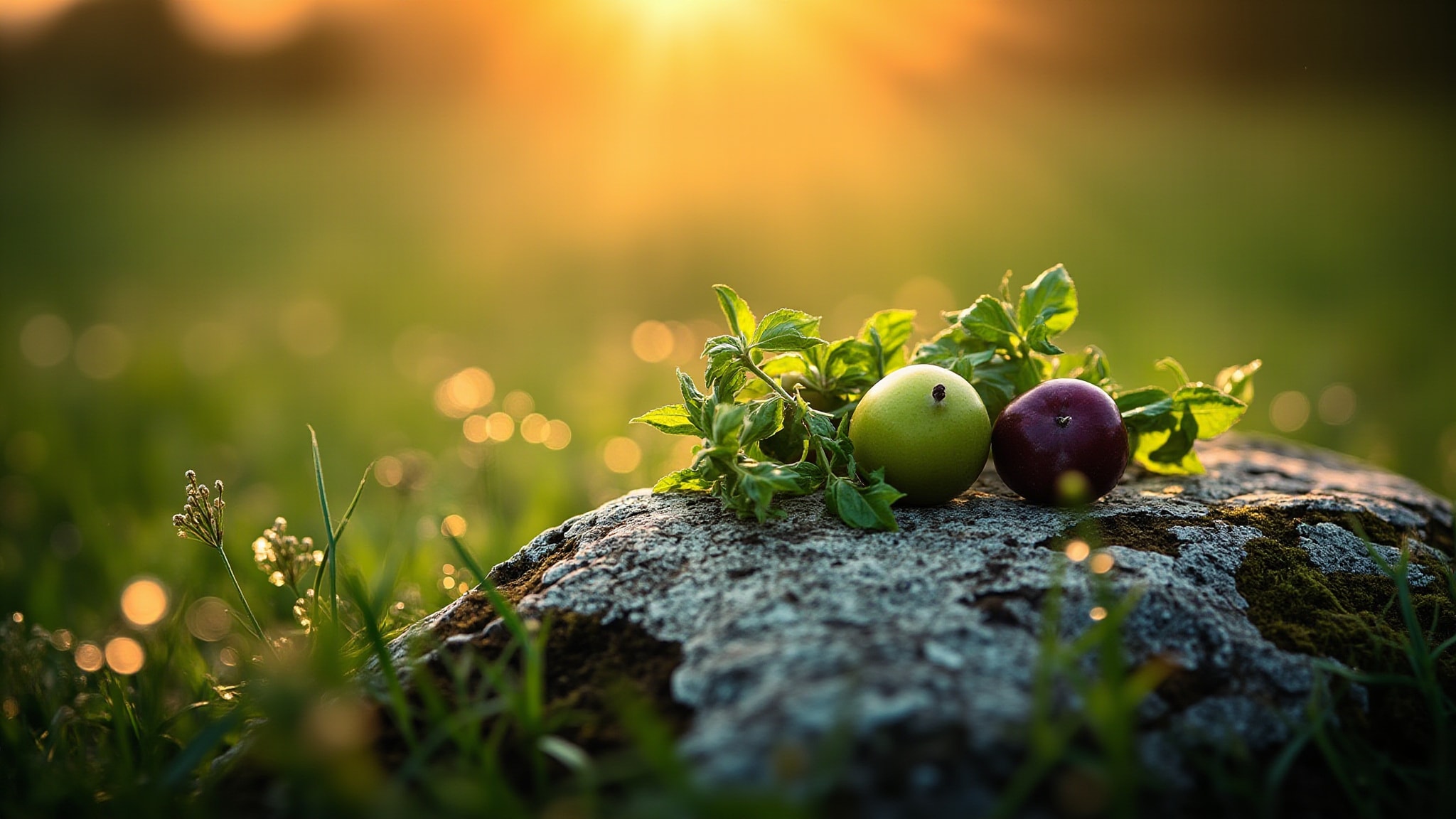
Jean-Claude Ellena created Eau de Campagne in 1974, two years before it launched. The brief was simple: capture the smell of the French countryside itself, not an interpretation of it. Ellena was already known for his minimalist approach, let the materials speak, don't complicate them. The combination of tomato leaf with wild basil and plum was unusual for the era, which favored powdery florals and aldehydes. Eau de Campagne said no to all of that. It smelled like someone had walked through a garden and brought the air back in a bottle. The name says it all: country water. Not perfume pretending to be nature. Actual, grounded, herbal nature.
What makes this composition interesting is the honesty of it. Tomato leaf is not a forgiving material, it's green in the most literal, vegetable sense. Paired with wild grass and galbanum, it creates an opening that doesn't apologize for being itself. The plum in the heart is a quiet move, adding a faint fruitiness that keeps the florals from going soapy. Ellena wasn't building a fantasy. He was building a snapshot. The chypre structure, oakmoss, musk, patchouli, keeps everything grounded long after the green notes fade. It's a composition that respects impermanence. That's the Ellena signature, visible here before anyone had a name for it.
The evolution
The opening hits fast. Bergamot and lemon arrive first, bright and citrus-clean, but within minutes the galbanum and wild grass push through. The green doesn't wait politely, it announces itself. Tomato leaf is the tell. That's the part you'll either love or find too literal. The heart follows within twenty minutes: geranium and lily of the valley, softer now, but still tethered to the earthiness above. Jasmine stays quiet, never fully blooming. The drydown is where Eau de Campagne earns its reputation. Oakmoss and vetiver take over, and the sillage drops to something intimate. Four to six hours later, you're still catching traces, close to the skin, not filling the room. Musk and patchouli provide warmth underneath, but the oakmoss is the long game. That's what stays.
Cultural impact
Eau de Campagne arrived in 1976 before green fragrances were a category. It was simply a French countryside scent, and that specificity made it a reference point. Ellena's minimalist style, visible here, would later define his work at Hermès. The fragrance remains a quiet favorite among collectors who value botanical honesty over trend-chasing.