Reed
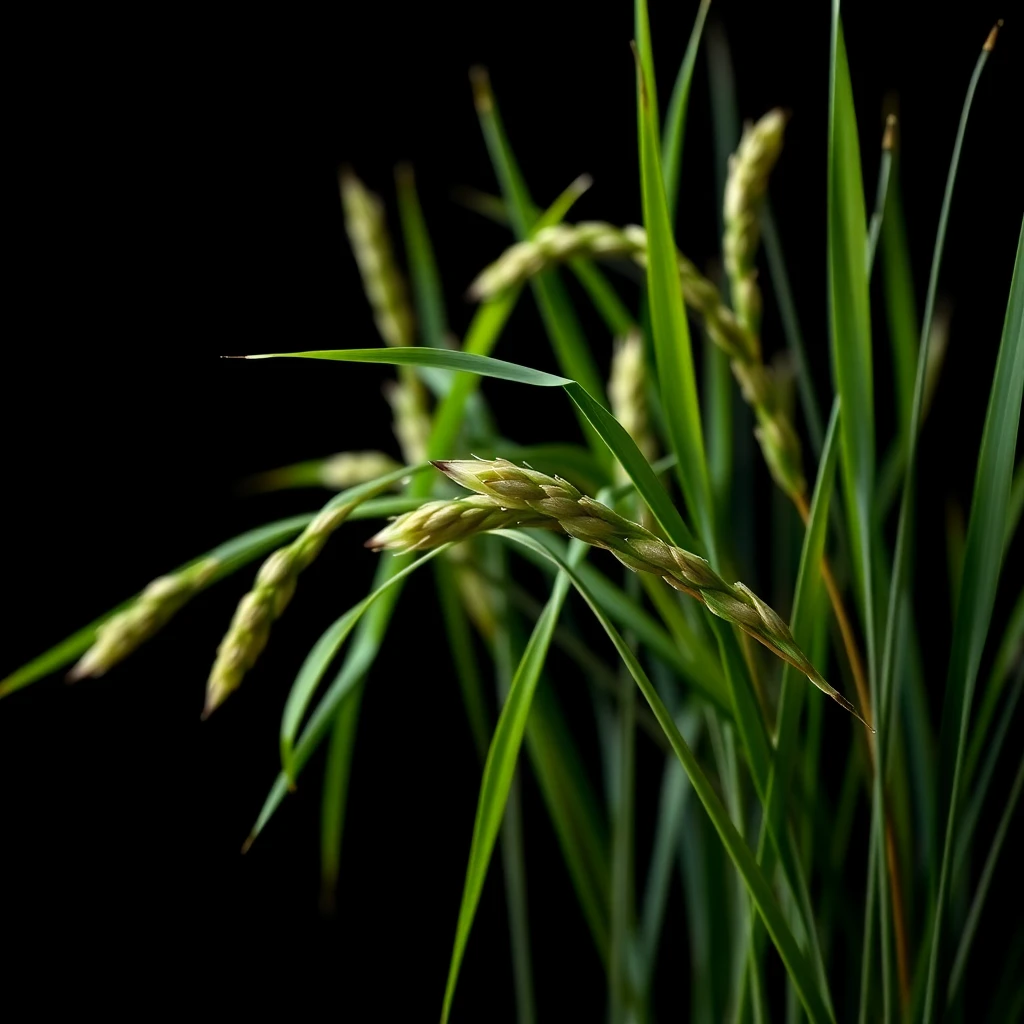
Reed brings the quiet freshness of riverbanks and wetlands into fragrance, offering a green-aquatic character that suggests standing water, tall grasses, and open air. This note captures the essence of Phragmites australis and related wetland grasses, delivering an impression of cool, damp earth and vegetal tranquility.
Character
How it smells
The riverbank's whisper in a bottle
Natural reed extraction is so inefficient that perfumers almost always create this note as an accord. One attempt to distill Arundo donax flowers yielded just 0.002% essential oil, making it one of the lowest-yielding potential fragrance sources in existence.







Origin
Mediterranean region
The relationship between humans and fragrant reeds stretches back to the dawn of civilization. In ancient Egypt, around 5000 BCE, farmers lined underground grain storage chambers with Arundo donax leaves, recognizing the material's ability to regulate humidity and protect harvests. The Greeks and Romans discovered that hollow reed stems could absorb and transport scented oils, creating early forms of passive diffusion by soaking reeds in blends of wine, cinnamon, honey, myrrh, and cloves. This practical use laid the groundwork for what would eventually become the modern reed diffuser industry.
As a perfume note, however, reed remained largely overlooked until the late twentieth century. The aquatic fragrance revolution of the 1980s and 1990s, sparked by pioneering scents like Davidoff's Cool Water and Issey Miyake's L'Eau d'Issey, created demand for fresh, watery-green notes that suggested nature without necessarily replicating specific flowers or fruits. Reed emerged as a perfect supporting player in these compositions, its damp, grassy character providing a naturalistic backdrop for brighter citrus or marine notes. In niche perfumery, reed has found a home in compositions that aim to capture specific landscapes, from marshlands to riverbanks to lakeside meadows. The note appears in green florals, aquatic woody scents, and contemporary colognes, where it contributes an impression of openness and natural simplicity that feels distinctly modern.
Wears it best
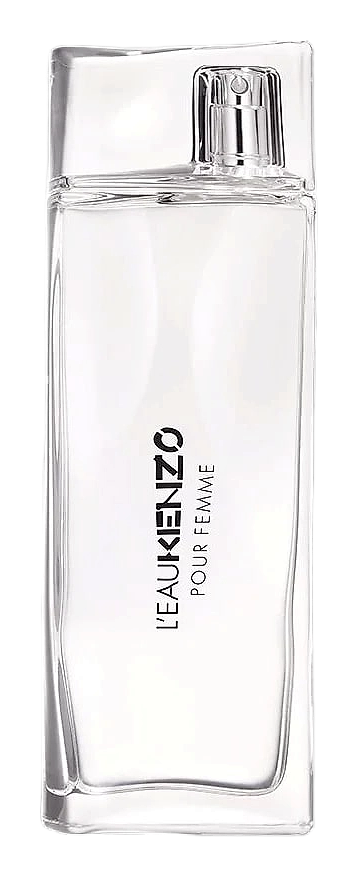
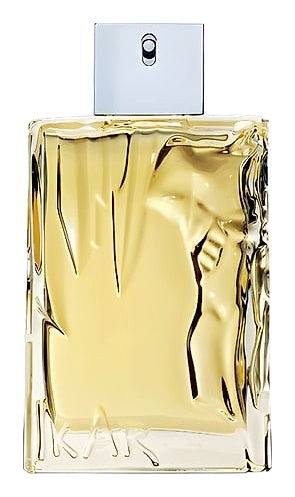
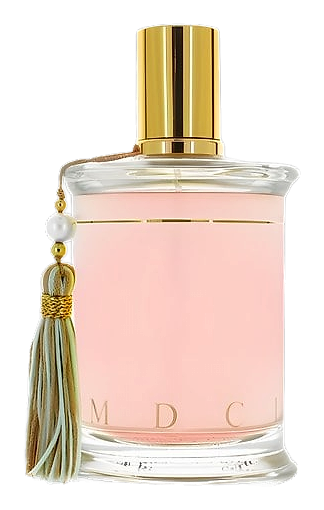
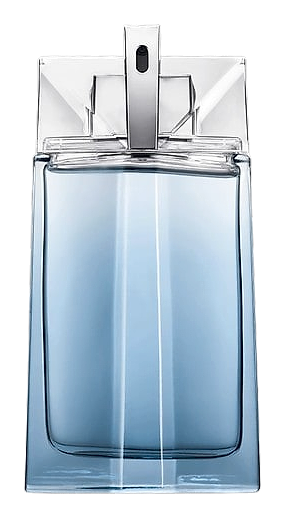
Fragrances featuring Reed

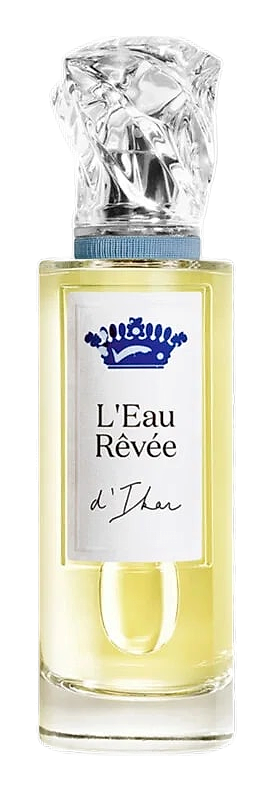


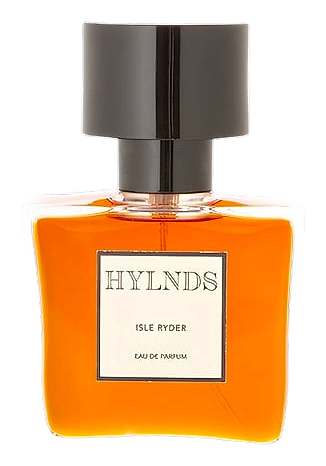
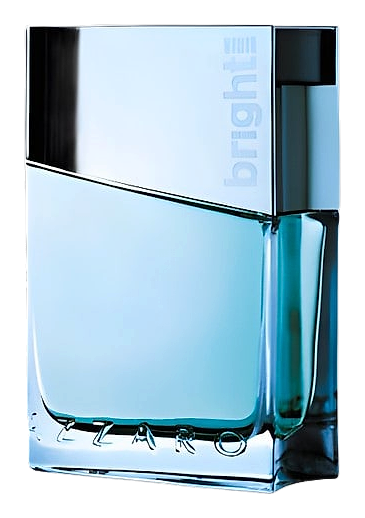
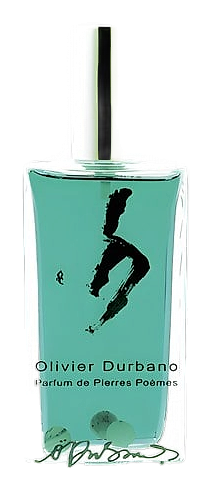
Brands
Brands known for Reed
Good to know
Questions, answered
The essentials on Reed in perfumery: how it smells, where it comes from, and how it behaves on skin.
What does reed smell like in perfume?
Reed smells green, aquatic, and freshly grassy with a damp, watery character. It carries subtle ozonic notes that suggest standing water and humid air, along with a faint honeyed sweetness and dry hay-like undertones. The overall impression is cool, natural, and reminiscent of riverbanks or wetlands after rain.
Why is reed used in perfumery?
Reed adds a naturalistic, watery-green dimension that creates a sense of open space and outdoor freshness. It bridges citrus and aquatic notes beautifully, softening sharp edges while maintaining transparency. Reed accords work particularly well in compositions aiming to evoke specific environments like lakesides, marshes, or riverside meadows.
Is reed in perfume natural or synthetic?
Reed notes are almost always synthetic accords. Natural extraction from reed plants yields only 0.002% essential oil, making commercial production economically impossible. Instead, perfumers blend synthetic molecules like cis-3-hexenol (green-leafy), aldehydes (airy), and calone (aquatic-ozonic) to recreate reed's characteristic scent profile.
What famous perfumes contain reed?
Reed appears as a supporting note in numerous aquatic and green fragrances launched since the 1990s. It features prominently in many niche compositions seeking to capture natural landscapes, as well as in contemporary fresh scents where it provides a vegetal, watery foundation beneath brighter top notes.
Is reed a top note, heart note, or base note?
Reed typically functions as a top to middle note. Its fresh, green character makes it ideal for openings, while its subtle persistence allows it to support heart notes for 2 to 4 hours. The hay-like drydown elements can linger longer, making reed more tenacious than many purely citrus top notes.
What notes pair well with reed in perfume?
Reed pairs beautifully with citrus notes like bergamot and grapefruit, amplifying their freshness. It complements aquatic and marine accords, enhances green notes like violet leaf and galbanum, and provides an interesting contrast to white florals. Woody notes such as cedar and vetiver extend reed's natural, outdoorsy character into the base.
Where does reed come from?
Reed grasses including Phragmites australis and Arundo donax grow wild across temperate and tropical regions worldwide. Arundo donax, historically significant in perfumery, thrives in Mediterranean climates along riverbanks and wetlands. The plant can reach heights of 2 to 10 meters and has been used by humans for over 7,000 years.
Is reed used in men's or women's fragrances?
Reed is genuinely unisex and appears in fragrances marketed to all genders. Its fresh, green character suits men's aquatic and sporty scents, while its natural, outdoorsy quality works beautifully in women's green florals and fresh compositions. The note transcends traditional gender boundaries in perfumery.