Pekoe Tea
Pekoe refers to the tender buds of Camellia sinensis, the plant behind all true tea. In perfumery, orange pekoe-grade leaves yield a dry, slightly astringent absolute prized for its green, mineral elegance.
Character
How it smells
The silken bud that changed global trade.
"Pekoe" comes from the Dutch "pico," meaning silk-like down, describing the fine white hairs on young tea buds.




Origin
Sri Lanka
Tea has been consumed in China since the Tang dynasty (618–907 CE), initially as medicine before becoming a daily drink. Dutch traders standardized tea grading in the 17th century to communicate quality to European buyers. The term "pekoe" entered the lexicon from the Chinese baihao, meaning white tip or down, referring to the fine hairs on the youngest tea buds.
"Orange" in the grading name honors the Dutch House of Orange-Nassau, reflecting the Netherlands' dominant role in early European tea trade. The Dutch East India Company introduced tea to Europe around 1610, sparking centuries of demand. Sri Lanka became a major black tea producer after a coffee leaf rust blight devastated coffee plantations in 1869, with the highland regions producing some of the world's most prized orange pekoe grades.
Perfumers began incorporating tea absolutes and extracts in the 20th century as extraction techniques advanced.
Wears it best
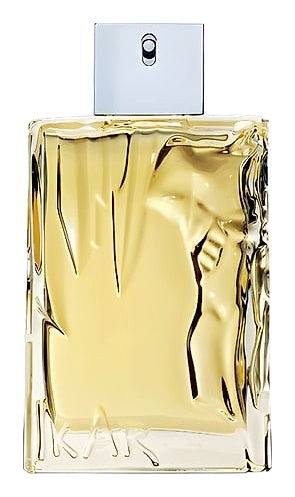
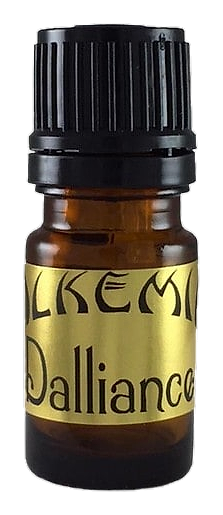
Fragrances featuring Pekoe Tea
Brands
Brands known for Pekoe Tea
Good to know
Questions, answered
The essentials on Pekoe Tea in perfumery: how it smells, where it comes from, and how it behaves on skin.
What is Orange Pekoe in perfumery?
Orange Pekoe is a grading term for the highest-quality black tea leaves, referring to the tender buds and first leaves of Camellia sinensis. In perfumery, extracts from these leaves produce a dry, slightly astringent aroma with green and mineral notes.
How is pekoe tea absolute extracted?
Pekoe tea absolute is primarily obtained through solvent extraction or CO2 supercritical extraction. Dried leaves undergo extraction to yield a concentrated aromatic absolute. CO2 supercritical extraction is preferred for capturing delicate volatile compounds that give tea its characteristic green, slightly bitter profile.
What compounds give pekoe tea its scent?
Tea aroma comes from over 600 volatile compounds, including linalool, geraniol, phenylethyl alcohol, and methyl salicylate. The precise composition depends on growing conditions, oxidation level, and leaf quality. Orange pekoe-grade leaves tend to yield a cleaner, more refined aromatic profile due to their higher proportion of young buds.
Where does orange pekoe tea originate?
Sri Lanka, formerly Ceylon, is the primary source of standardized orange pekoe-grade black tea. The highlands around Nuwara Eliya produce teas prized for their brightness and clarity. Tea was introduced to Sri Lanka after 1869, when a coffee blight forced planters to switch crops, and the cool, misty climate proved ideal for high-quality production.
How does black tea differ from green tea in perfumery?
Black tea undergoes full oxidation, which transforms catechins into theaflavins and thearubigins, giving it a richer, more fermented aroma. Green tea is unoxidized and offers a fresher, more vegetal scent. Pekoe-grade black tea absolute delivers a dry, slightly astringent character distinct from the lighter, greener notes of unoxidized tea extracts.
When did tea become a perfumery ingredient?
Tea extracts became commercially available in perfumery during the early-to-mid 20th century as extraction technology improved. Prior to modern methods, perfumers used enfleurage or simple infusions. The development of solvent and supercritical CO2 extraction made concentrated, aromatic tea absolutes practical for fragrance formulation.
What fragrance families pair well with pekoe tea?
Pekoe tea absolute works well in ozonic, aromatic, and green fragrance families. It pairs naturally with bergamot, neroli, jasmine, and cedarwood. The dry, slightly bitter quality makes it a popular bridge note in modern gender-neutral fragrances and clean-scent concepts.
Is pekoe tea in perfumery natural or synthetic?
Both natural and synthetic options exist. Natural pekoe tea absolute is extracted from dried Camellia sinensis leaves using solvent or CO2 methods. Synthetic tea accord is created by blending compounds like linalool, phenylethyl alcohol, and geraniol to mimic the aroma. Natural extracts tend to be more expensive due to the volume of leaves required per batch.