
The Story
Why it exists.
The beginning
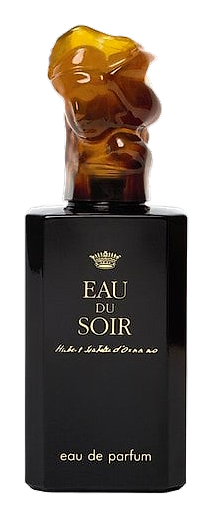
In 1990, Hubert d'Ornano created a fragrance for his wife, Isabelle. Not for the market. Not for the press. For her. Nine years she wore it privately before friends convinced her to share it with the world, and even then, only if she approved. She did. The public release came in 1999. Eau du Soir was Isabelle's alone for nearly a decade. A fragrant memory of childhood in Sevilla, of roses that bloomed for two weeks and left an impression that outlasted everything else. The house turned that memory into a composition that could travel: citrus for brightness, rose for the garden, oakmoss and amber for depth. A chypre built from personal history. The 2008 edition arrived as a collector's bottle, 7,000 pieces worldwide, 700 for the United States. Black glass, gold lettering, amber stopper. Not a redesign. A statement.
What makes the heart of Eau du Soir unusual isn't any single ingredient. It's the sheer density of the middle. Twelve notes. Rose, jasmine, ylang-ylang, expected enough. But then carnation brings spice, iris brings powder, lily of the valley brings green. Juniper and black pepper add an almost gin-like clarity. Patchouli and oakmoss anchor the whole arrangement in earth. French labdanum adds an aromatic resinous note that most modern compositions skip entirely. This isn't layering. It's orchestration. Twelve ingredients meant to work together, each one negotiating space with the others. The result isn't chaos, it's conversation. The juniper argues with the jasmine. The carnation leans into the rose.
The evolution
The opening is the briefest chapter. Mandarin and grapefruit arrive together, bright, sharp, almost aggressive. Citrus that doesn't apologize for itself. Thirty minutes, maybe forty-five, before the heart begins to move in. Then the rose announces itself. Not the polite rose of modern florals. A rose with presence, surrounded by jasmine that sweetens the edges and carnation that sharpens them. The oakmoss underneath keeps everything honest, mossy, green, slightly damp. This is where the composition earns its chypre classification. Not from any single ingredient but from the way the florals and the moss negotiate space. The drydown is the long chapter. Amber and musk arrive together, warm and close, doing what base notes do, transforming everything that came before into something that lives on skin. Eight to ten hours of this. Strong sillage for the first two, intimate thereafter. A fragrance that opens like a question and closes like a memory.
Cultural impact
Eau du Soir occupies a specific position: among collectors and enthusiasts who remember what chypre meant before the 1990s simplified everything. The 2008 collector's edition, 7,000 black and gold bottles, signaled that this wasn't a forgotten private blend anymore. It had entered the category of recognized classics. Those who seek it out tend to be wearers who have already tried enough to know what they want: complexity over simplicity, longevity over discretion, a chypre structure that rewards attention. The house itself positions this as botanical artistry rather than trend-following, and the fragrance bears that out.