Hubert d'Ornano
Hubert d'Ornano arrived in perfumery through an unusual route, one shaped by ambition and an instinct for what people wanted before they knew they wanted it. Alongside his wife Isabelle, he built Sisley from a botanical skincare concept into one of French luxury fragrance's most respected houses. The year was 1976, a period when the industry was still digesting the democratization of perfume triggered by Chanel No. 5 three decades earlier and the seismic shift brought by Yves Saint Laurent's Rive Gauche. The d'Ornanos chose a different path. Rather than chasing trends, they turned to the plant world, to the idea that botanicals carried both therapeutic and emotional weight. Hubert's vision centered on intensity and authenticity of raw materials, a conviction that would define the house's character for decades. He understood that luxury fragrance wasn't simply about pleasant smell but about conviction behind a formula. His influence extended beyond his own laboratory. As the industry opened to new creative voices during the 1980s, he represented a generation of independent noses who had built their expertise outside the traditional guild system, learning their craft through practice, observation, and relentless testing. The brand remained family-controlled, which gave him freedom to pursue formulations that might have been deemed commercial risks by larger conglomerates. Those who worked with him describe a man of strong opinions and precise standards, someone who could identify a synthetic note from across a room but who never dismissed modern chemistry simply because it was manufactured. What mattered was how a material performed, not its origin.
The hits
Notable creations
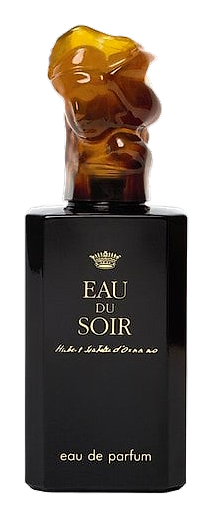
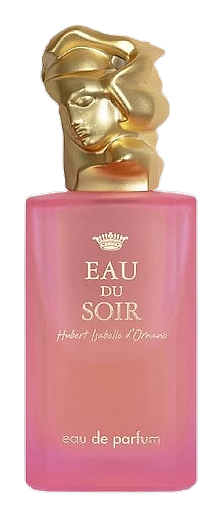
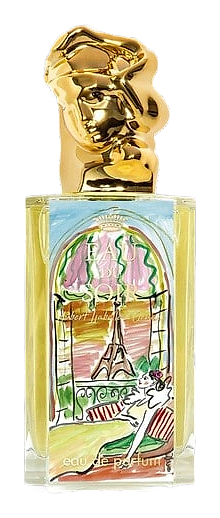
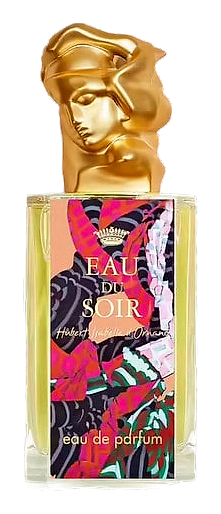
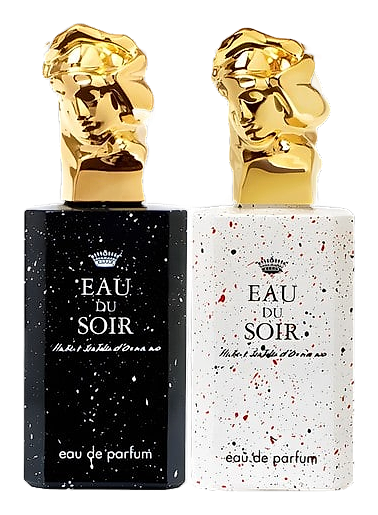
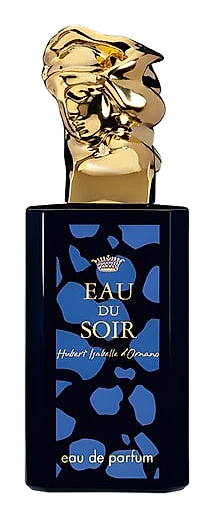
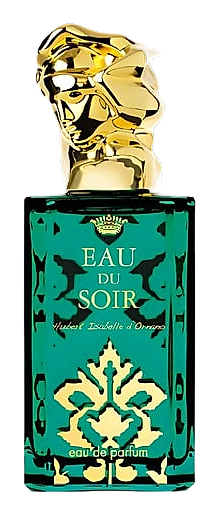
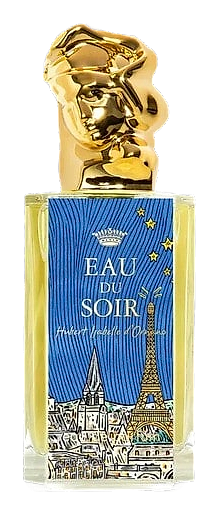
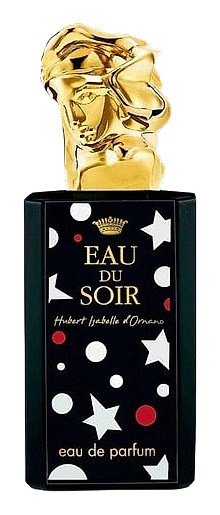
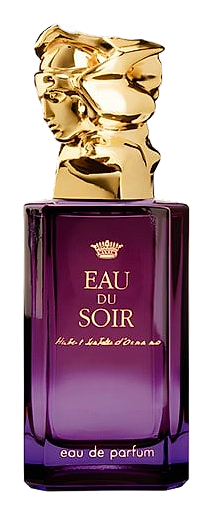
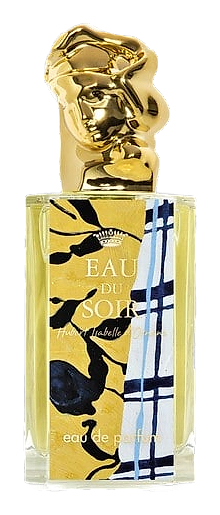
The signature
How Hubert composes
The d'Ornano approach favored density and structure. Where many designers of his era gravitated toward airy, aldehydic florals, Hubert preferred perfumes with presence, with a certain almost tactile quality on skin. He gravitated toward green notes with particular enthusiasm, believing that chlorophyll and crushed leaf carried an honesty that fruity sweetness or powdery florals could not match. His formulations often featured substantial heart notes, refusing to let the top accord dominate simply because it arrived first. Patchouli and vetiver appeared regularly in his work, lending an earthy, grounded character that set Sisley apart from houses pursuing sheer transparency. He also showed consistent interest in aromatic herbs, particularly those with Mediterranean associations, which connected his perfumes to a specific geography and climate rather than an abstract idea of luxury. The result was a house style marked by conviction and complexity, fragrances that rewarded patience rather than instant gratification.
Philosophy
What drives Hubert
Hubert d'Ornano operated from a conviction that fragrance should carry the full weight of its ingredients. He resisted dilution as a cost-saving measure at a time when many houses were quietly extending their concentrations. In his view, a perfume's power was not an accident but a deliberate act of commitment to the raw materials themselves. He believed that nature offered complexity that laboratories could approximate but rarely replicate, which made sourcing critical. Working with botanicals meant accepting variability, seasonal shifts in harvest, and the inherent unpredictability of natural ingredients. Rather than viewing this as a problem, he treated it as the defining challenge of the craft. The philosophy extended to how a fragrance should age on skin. He dismissed the idea that perfume was a purely superficial experience, arguing instead that a well-constructed scent revealed different facets over hours, that the drydown mattered as much as the initial impression. This perspective shaped how Sisley approached each launch, treating every fragrance as a long-form composition rather than a three-second hook.
The houses
Maisons Hubert composes for
In the same league