
The Story
Why it exists.
The beginning
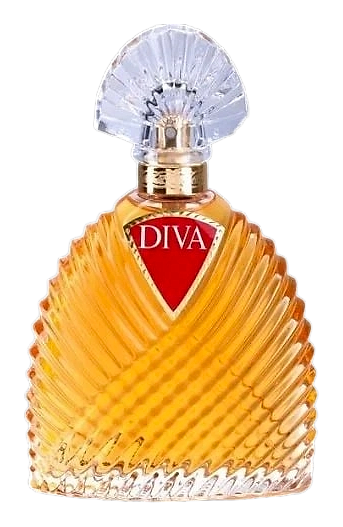
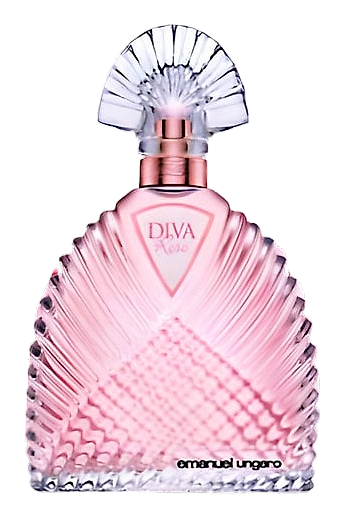
By 2011, the original Diva had been a cornerstone for nearly three decades. Olivier Cresp was tasked with creating something that honored the house's rose obsession while feeling genuinely contemporary. His solution was to strip away the heaviness and introduce brightness, lychee and bergamot at the opening, green notes throughout, a lighter musk and amberwood base. The result is a Diva that breathes differently, built for a woman who wants the house's signature without the weight of its past.
The unusual pairing of lychee and green notes with Bulgarian rose is what makes this work. Rather than the typical honeyed rose, there's a tartness here, a crushed-fruit quality that feels modern and unexpected. The dew drop accord reinforces this: it's fresh without being aquatic, adding texture without weight. This is rose interpreted for someone who finds traditional rose fragrances too heavy or old-fashioned. The composition threads freshness through every phase rather than front-loading it and letting the drydown go flat.
The evolution
The opening hits bright and tart, bergamot and lychee arrive together, almost competing for attention before the green leaves arrive to ground them. That crushed-leaf quality is the first tell. Not potpourri. Not garden roses in a vase. Actual stems, actual dew. Within twenty minutes the Bulgarian rose asserts itself, but it's not the softened, powdery rose you might expect. The green never fully retreats. It keeps the rose honest, almost stemmy, through the heart phase. Freesia and lilac appear as supporting players, subtle, slightly sweet, but they don't overtake the rose. They just give it somewhere warm to sit. The drydown is where the musk and amberwood arrive, and they're gentle. This isn't a dramatic base, it's a quiet warmth that stays close to the skin for another two to three hours. On some skin types the whole arc compresses into four hours. On others it stretches toward six. Either way, it fades gracefully rather than vanishing abruptly.
Cultural impact
Diva Rose arrived in 2011, a moment when rose fragrances were experiencing a renaissance in niche perfumery. Cresp's approach, lighter, greener, more accessible, positioned it as an alternative to the heavy, romantic roses that dominated the market. It wasn't trying to compete with the opulent Diva of 1983; instead, it offered a modern interpretation for a new generation of wearers.