
The Story
Why it exists.
The beginning
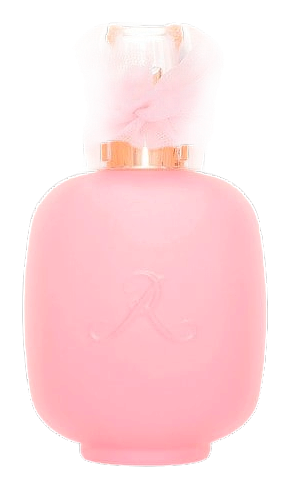
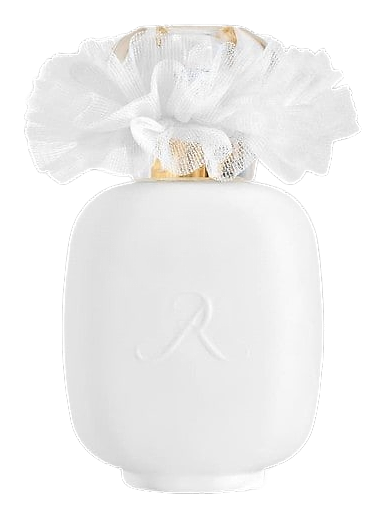
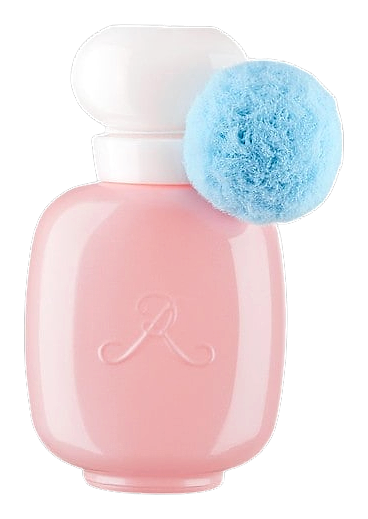
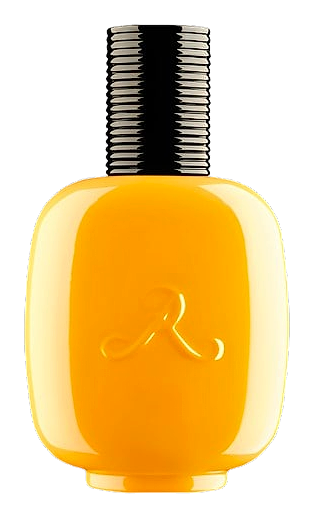
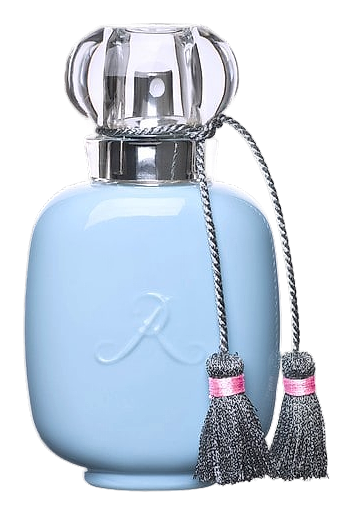
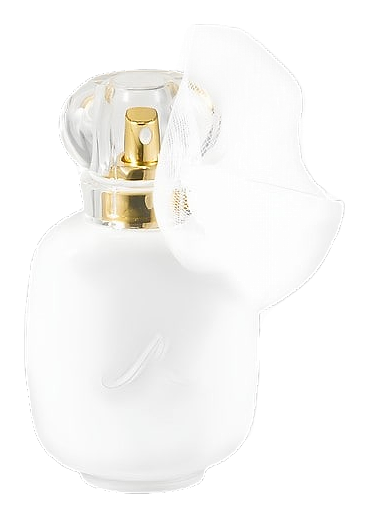
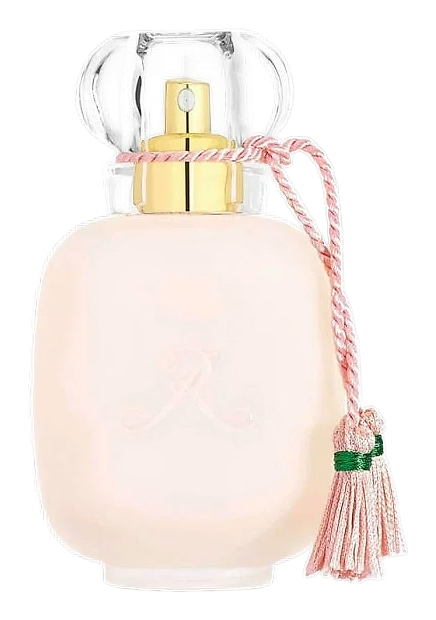
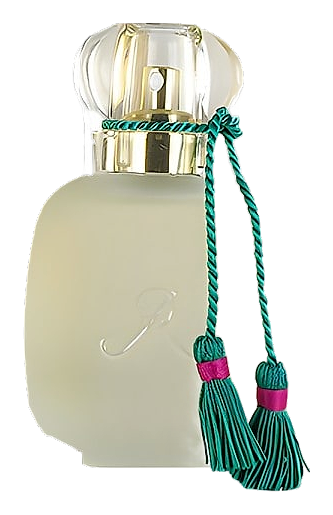
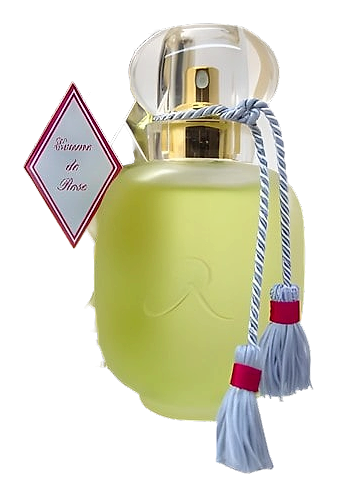
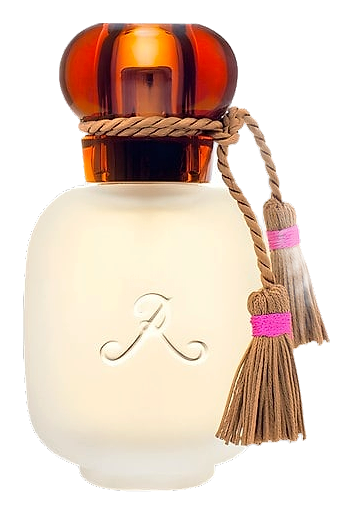
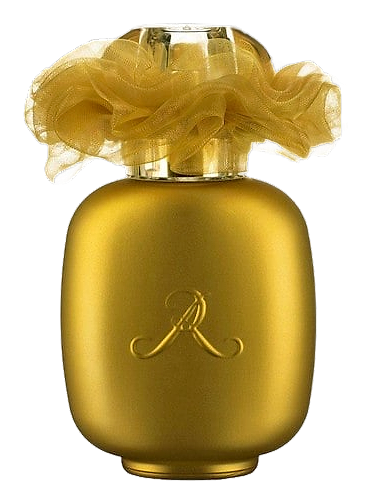
The Ballerina collection at Les Parfums de Rosine is a series of studies in dance, each number a different character, a different movement. The fifth chapter draws from The Bayadere, the classical ballet set in the courts of India, where temple dancers moved in elaborate costumes of pink gauze brocaded in gold. Marie-Helene Rogeon conceived the idea. In 2019, perfumer Delphine Lebeau-Krowiakj translated that sumptuous imagery into something you can wear. The exoticism here is not in the notes, it's in the posture. The unhurried confidence of a dancer who knows the stage is hers.
What makes this composition distinctive is the rose. Not just as a prominent note, but as a through-line that evolves across every phase. It arrives quickly in the opening, brightened by tangerine and softened by orange blossom. In the heart, it holds the powdery violet and heliotrope in balance, preventing the sweetness from becoming childish, keeping the florals grounded in something warmer. By the drydown, the Turkish rose has become something else entirely: honeyed, resinous, held close by benzoin and tonka bean. This is not a fragrance that announces itself. It is a fragrance that stays, threading through your day in the way a piece of gold brocade catches light when you least expect it.
The evolution
The opening arrives bright. Tangerine and orange blossom, citrus that cuts through before it softens. The fig is there too, adding a green, almost coconut-like undertone that gives the rose something to hold onto. It doesn't announce. It orientates. The heart is where this fragrance earns its name. Lychee brings tropical sweetness, but the violet and heliotrope take over, that powdery softness that some people live for and others wish would arrive later. The Turkish rose threads through everything, its character shifting from bright to warm. The drydown belongs to the benzoin, tonka bean, and cedar. Warm. Creamy. Close. The patchouli adds just enough earth to keep it real. The guaiac wood extends everything, a soft, clean woodiness that lingers long after the top notes have gone.
Cultural impact
The Ballerina collection occupies a particular space, each chapter a dance reference, a character study translated into scent. This fifth installment, with its Bayadere inspiration, leans further toward exotic warmth than its predecessors. Those familiar with the house appreciate the consistency of rose-forward craftsmanship; newcomers find a composition that rewards attention. The comparison to Delina is understandable, both center rose and lychee, but Ballerina No 5 distinguishes itself through powder and tonka rather than musk.
The House
Les Parfums de RosineLes Parfums de Rosine is a historic French perfume house rooted in early 20th-century Parisian luxury. Paul Poiret, the celebrated fashion designer credited with liberating women from corsets, founded the house in 1911, naming it after his daughter Rosine. This made it one of the first fragrance lines attached to a fashion house identity. The brand lay dormant for decades before Marie-Hélène Rogeon, a fourth-generation perfumer whose family lineage traces to Louis Panafieu who reportedly created fragrances for Napoleon III, revived it in the 1990s. Today the house crafts rose-centric fragrances that range from powdery and classical to modern and gender-fluid. Each scent reflects a commitment to French perfumery traditions while speaking to contemporary sensibilities.
The Creator
Delphine Lebeau-KrowiakjDelphine favors a clear, linear architecture. She often begins with a dominant heart note—jasmine, rose, or a rare spice—then builds a supportive base of woods, resins, or ambergris.