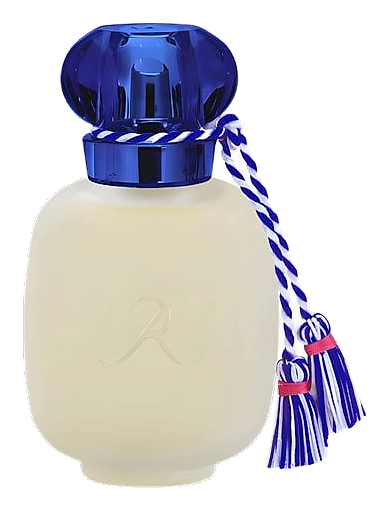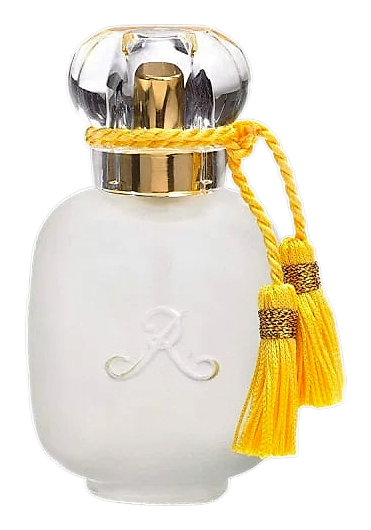
The Story
Why it exists.
The beginning
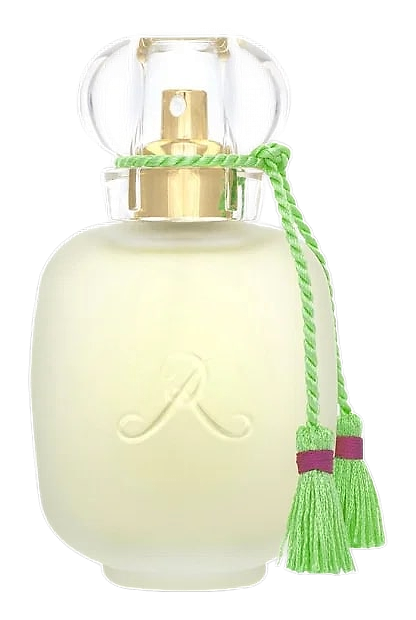
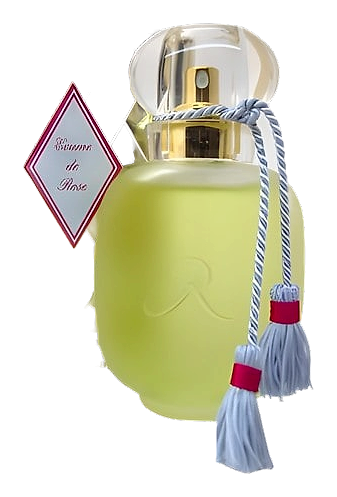
In 2002, François Robert was asked to compose a rose for Les Parfums de Rosine that didn't behave like one. The brief, if there was one, seemed to be: take the house's namesake flower and make it fight for its place. Blackcurrant leaf opened the door, sharp, green, almost medicinal. Sea daffodil followed, not with sweetness but with the smell of tide pools and wet sand. The burnet rose arrived quietly, more mineral than musky. By the time the ambergris settled, this smelled like the name: Écume de Rose. Sea foam and rose. Nothing sentimental about it.
What makes this composition unusual is what it refuses to do. No syrupy fruitiness. No powdery aldehydes. The rose absolute never dominates, it's present, but so are the green stems, the artemisia's herbal bitterness, the vetiver's earth. Sea daffodil is the real trick here: a coastal flower that smells like the moment the tide pulls back, leaving salt and mineral quiet. The structure puts rose in dialogue with marine and green notes rather than building around it. That tension is what makes it interesting.
The evolution
The opening hits first, blackcurrant leaf's tartness against sea daffodil's mineral cool. About fifteen minutes in, the artemisia arrives with a herbal, slightly bitter edge that shifts everything. The rose absolute blooms quietly, not the center of attention but definitely there. By the third hour, vetiver and white musk carry the drydown, with ambergris giving a faint animal warmth that lingers. The sea note doesn't disappear, it settles into the composition like a secret. On some skin, this lasts well into evening. On drier skin, it's gone by dinner. Either way, what stays is the memory of something green and coastal, quieter than it started.
Cultural impact
Écume de Rose occupies a strange position: not mainstream enough to be ubiquitous, not avant-garde enough to be polarizing. It's simply unusual, a rose fragrance for people who've grown skeptical of rose fragrances. The aquatic and green elements give it a maritime quality that reads as cool rather than sweet. Wearers tend to be people who want rose without the expected softness, who appreciate complexity over comfort.