Burnet Rose
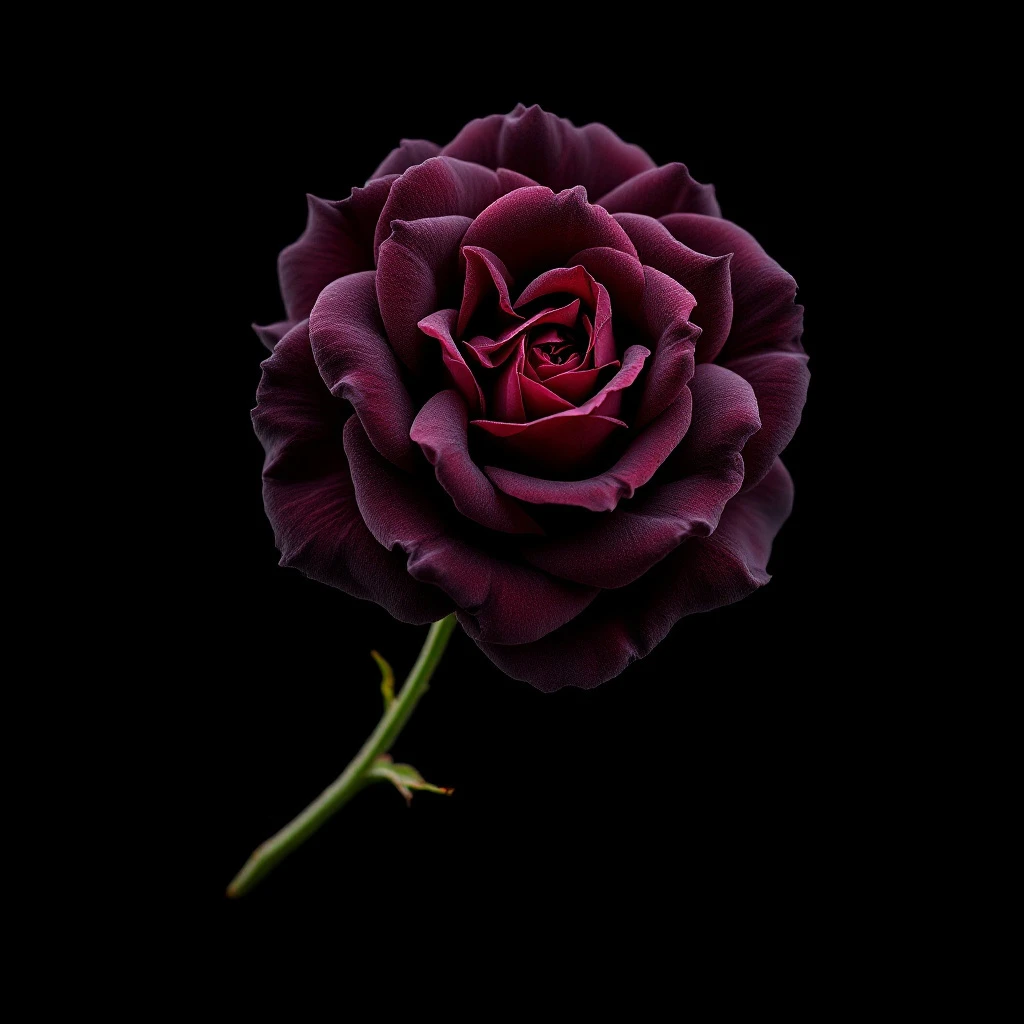
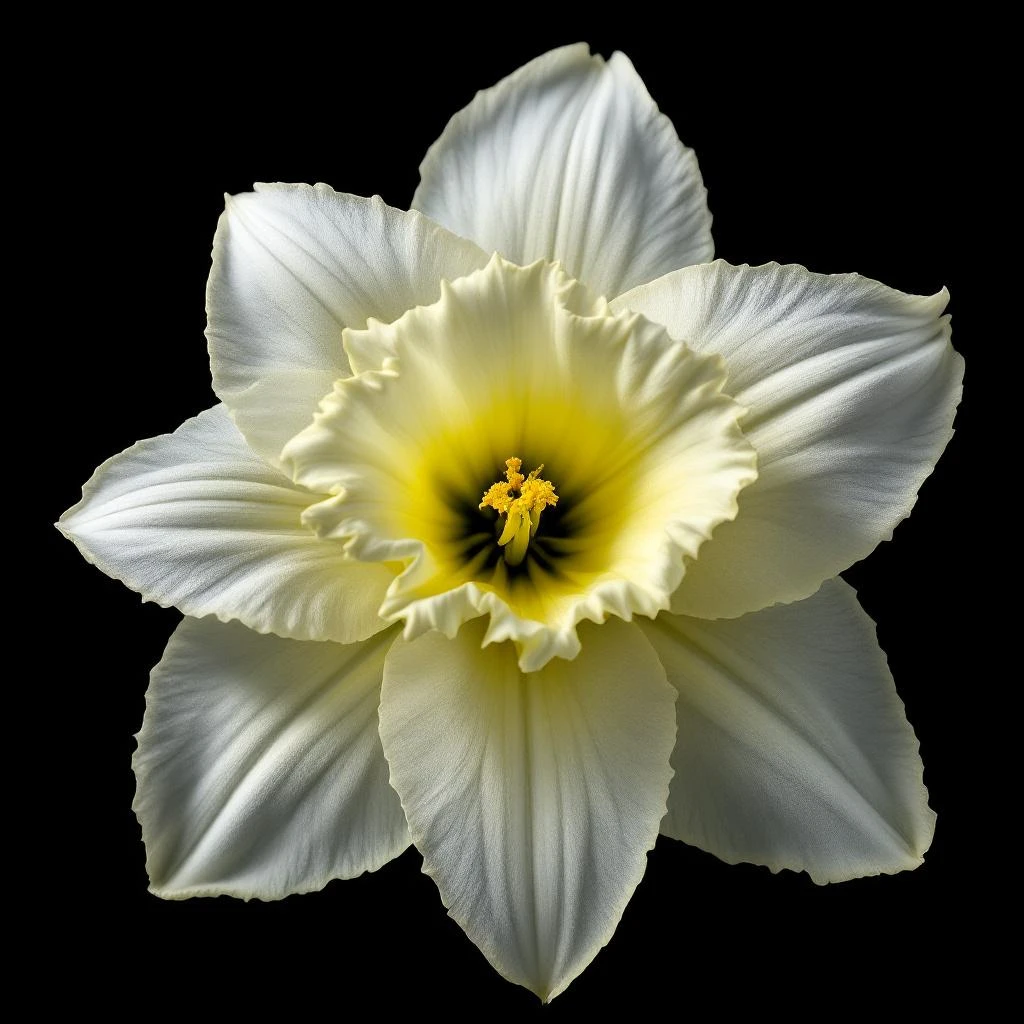
Burnet Rose (Rosa pimpinellifolia) is a wild rose species native to European coastal habitats. Distinguished by creamy-white flowers and dark maroon hips, it thrives where other plants cannot. Rarely used in perfumery, its subtle character offers something different from cultivated rose varieties.
Character
How it smells
A rare wild rose with roots in Europe's coastal wilds.
Burnet Rose produces some of the largest and most striking hips among wild rose species, turning deep maroon by autumn.



Origin
Scotland
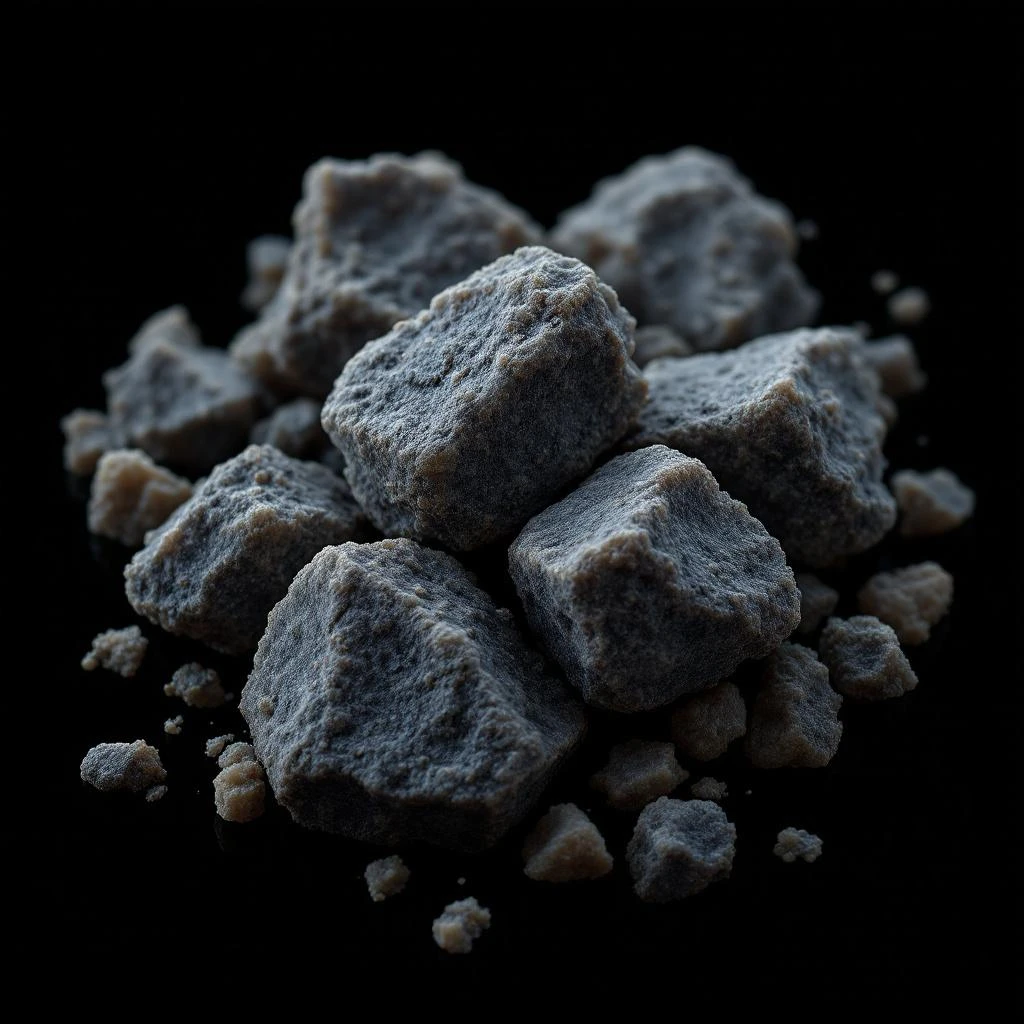
Burnet Rose has grown wild across Europe's coastal regions, heathlands, and limestone pavements since prehistoric times. In Northern Europe, particularly the British Isles, communities gathered the hips for preserves and rosewater production before the dominance of cultivated rose varieties. The plant's ability to thrive in poor, dry soils made it a resilient food source through harsh winters.
As perfumery evolved toward commercially viable crops in the 18th and 19th centuries, Burnet Rose faded from fragrance production. Today, small-batch perfumers rediscover its wild character, seeking materials that carry the scent of uncultivated landscapes rather than engineered rose fields.
Wears it best
Fragrances featuring Burnet Rose
Brands
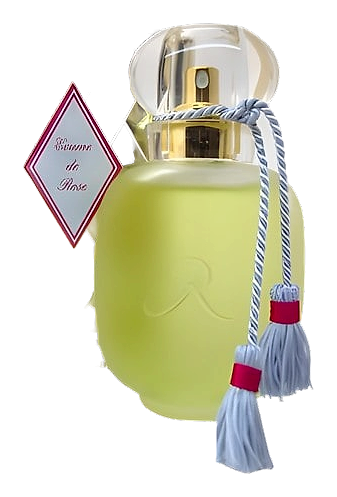
Brands known for Burnet Rose
Good to know
Questions, answered
The essentials on Burnet Rose in perfumery: how it smells, where it comes from, and how it behaves on skin.
What is Burnet Rose in perfumery?
Burnet Rose is a wild rose species (Rosa pimpinellifolia) native to European coastal regions. Unlike commercial rose varieties, it rarely appears in perfumery, making it a niche material with a wilder, more herbaceous character than cultivated Damask or Centifolia roses.
How does Burnet Rose smell compared to other roses?
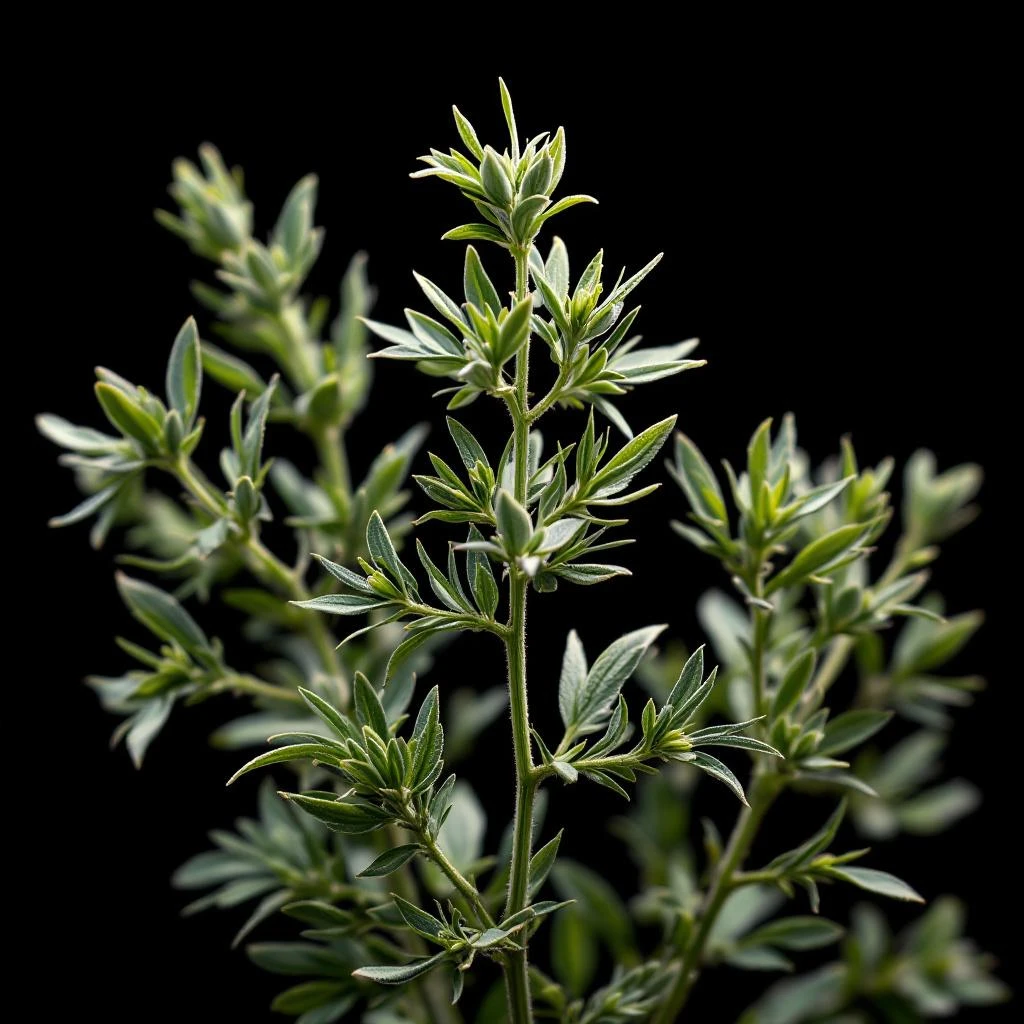
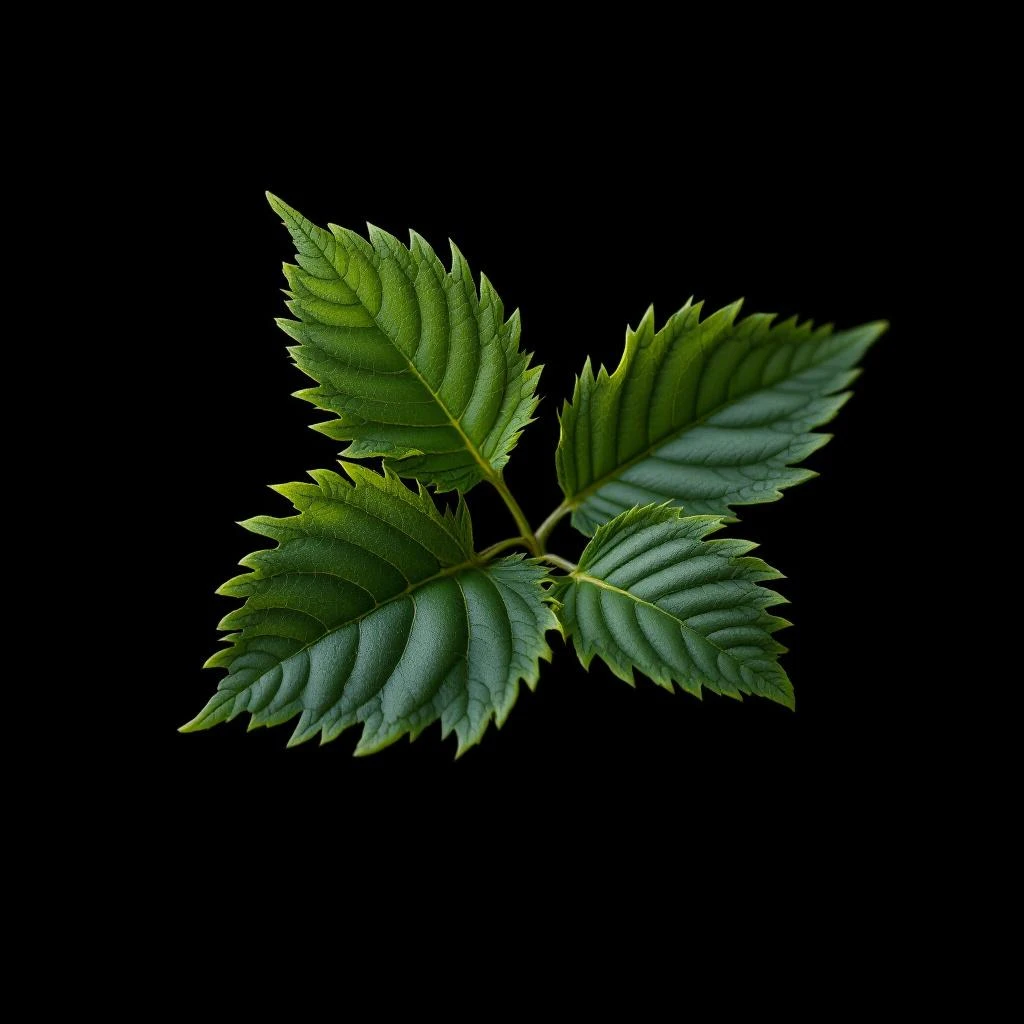
Burnet Rose offers a more austere, less honeyed profile than Damask rose. Its scent carries green, slightly peppery notes with subtle floral warmth, reflecting the harsh coastal environments where the plant grows wild.
Where does Burnet Rose grow?
This wild rose thrives in challenging coastal habitats including sand dunes, sea cliffs, and limestone pavements. It tolerates poor, dry soils where many plants cannot survive, spreading through underground runners to form dense ground cover.
What countries produce Burnet Rose?
Burnet Rose is native across the British Isles, Western Europe, and Scandinavia. Scotland, Ireland, northern England, and coastal Scandinavia host significant populations, with the species reaching its northern limits in these regions.
How is Burnet Rose extracted for fragrance?
Solvent extraction produces a concrete and absolute from Burnet Rose petals. CO2 extraction offers an alternative for small-scale producers. Both methods yield a concentrated aromatic material, though commercial production remains rare.
What historical uses did Burnet Rose have?
Northern European communities used Burnet Rose for preserves made from its large, dark hips. The hips were also dried for herbal preparations. Rosewater production from the flowers predated the commercial dominance of cultivated rose varieties.
Which perfumes feature Burnet Rose?
Burnet Rose appears primarily in niche and artisan fragrances that emphasize wild or natural ingredients. These are typically positioned as botanical fragrances and produced in small batches by independent perfumers.
Is Burnet Rose safe for skin use?
Burnet Rose materials are generally considered safe. The hips are edible and used in food products. As with any botanical extract, patch testing is advisable for sensitive skin before use in cosmetic applications.




