The Story
Why it exists.
The beginning
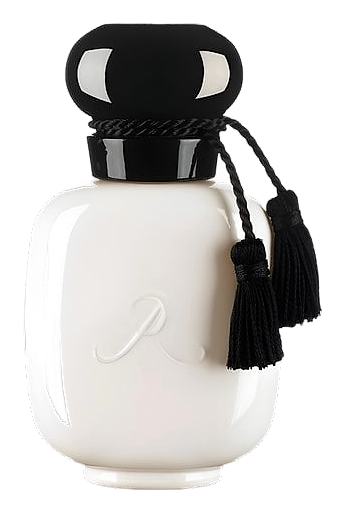
Serge de Oliveira built this fragrance around a single conviction: the rose's most interesting facet isn't its petals, it's the moment before they open. Created in 2020, Rose Par Essence arrived in the Les Parfums de Rosine collection as a counter-argument to everything sweet and rosy that came before it. The house, founded by Paul Poiret in 1911 and later revived by fourth-generation perfumer Marie-Hélène Rogeon, has always positioned the rose as its inheritance. But Oliveir chose to interrogate that inheritance rather than celebrate it. The result is a fragrance named for the rose's essence, its green, metallic, slightly bitter truth, rather than its familiar beauty.
The pairing of Turkish rose with chamomile is unusual precisely because chamomile doesn't behave. It's herbal, slightly medicinal, a bitter note that resists the rose's natural sweetness. On skin, this creates a tension: the rose wants to bloom, the chamomile keeps pulling it back toward the earth. Meanwhile, ambroxan adds a mineral clarity, the smell of cold stone, of morning air, of the moment before warmth arrives. This isn't a rose that loves you back. It's a rose that reminds you what the flower actually is.
The evolution
The opening arrives fast, bergamot and lemon bright and cold, almost clinical in their clarity. Within minutes, the Turkish rose pushes through, but it's not the jammy rose of typical fragrance. It's green, sharp, tinged with the metallic note that gives fresh roses their edge. The chamomile arrives quietly in the heart, adding a bitter herbalism that makes the rose feel botanical rather than romantic. By hour three, the composition has settled into a quiet drydown of musk and sandalwood, skin-close, almost intimate. The sillage was never large, and by the final hours what remains is a soft skin-warmth that others might only notice if they're close. On fabric, it fades cleaner. On skin, it lingers quietly through an eight-hour day.
Cultural impact
Les Parfums de Rosine, founded in 1911 by Paul Poiret, holds a singular position in fragrance history as the first house dedicated entirely to the rose. Poiret, who also liberated women from corsets and invented the modern perfume wardrobe, built his rose house at the height of Art Nouveau, when botanical illustration and naturalistic beauty defined luxury. The house survived two world wars and the shift toward synthetic chemistry, maintaining its botanical focus through decades when rose absolutes became cheap raw materials for larger houses.