The Story
Why it exists.
The beginning
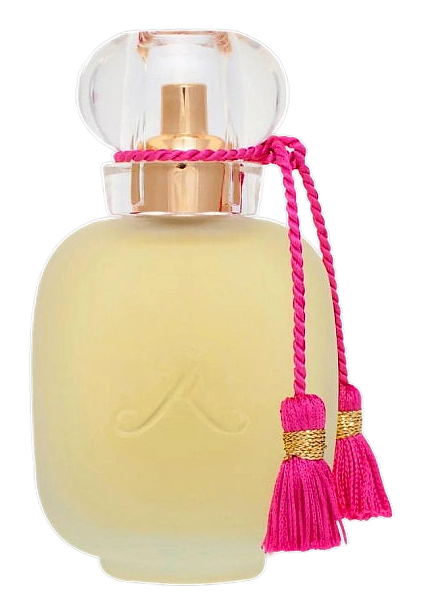
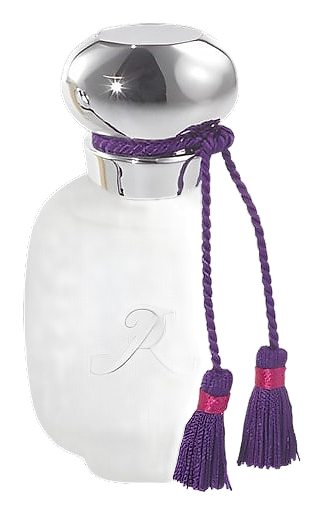
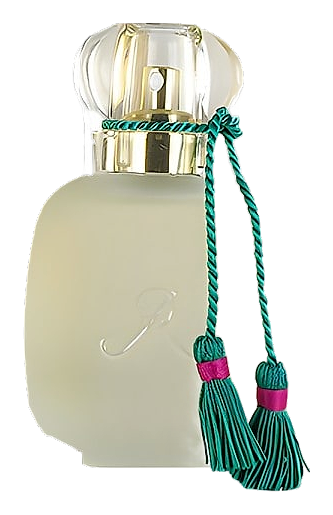
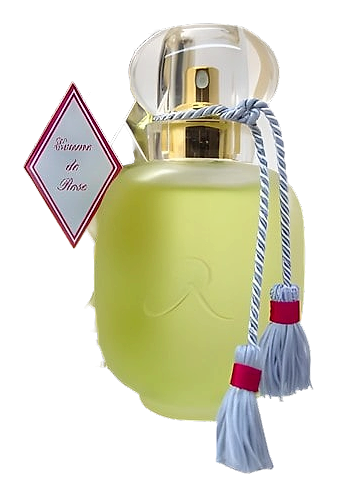
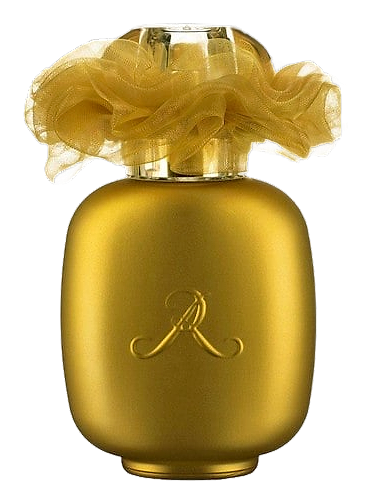
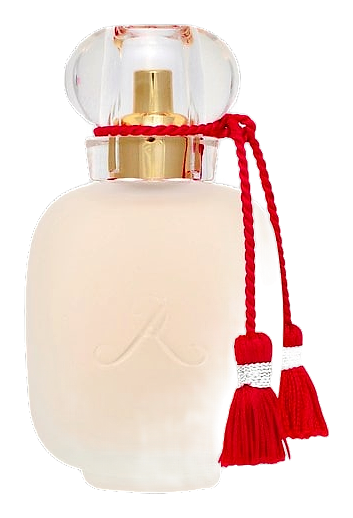
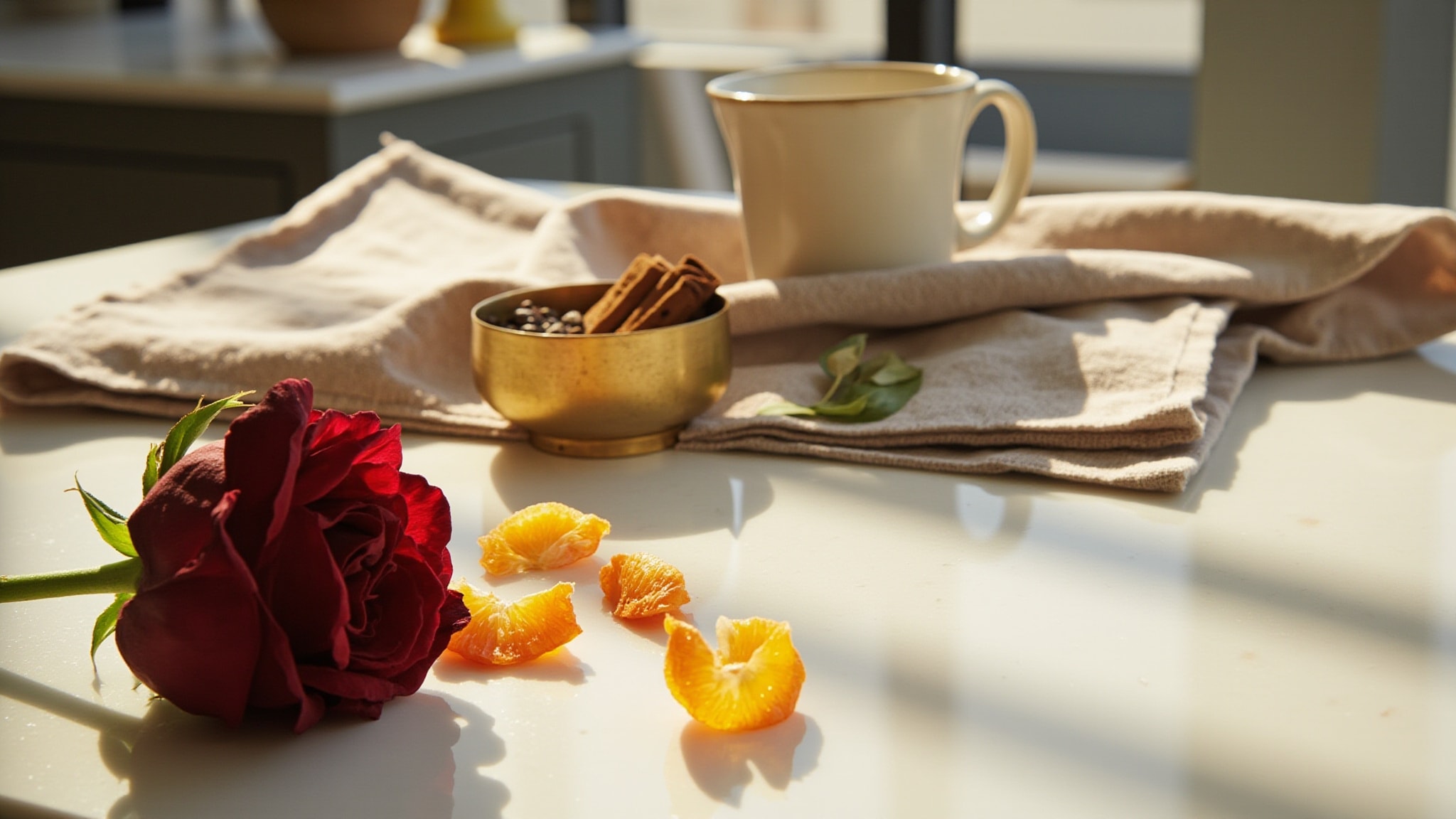
Majalis arrived in 2013, composed by François Robert for Les Parfums de Rosine. Its exact creative brief remains unrecorded, but the materials reveal a clear idea: rose placed between brightness and heat. Mandarin orange, bergamot, and grapefruit bring an immediate radiance, while cinnamon and nutmeg prevent the composition from becoming politely floral. Together, the citrus and spice establish an energetic contrast around the rose. As the fragrance develops, rose absolute and Tea Rose emerge with a fuller floral presence, joined by jasmine and pepper notes that add aromatic texture. The base of amber, sandalwood, cedarwood, vetiver, and musk gives the composition warmth and depth.
What makes Majalis interesting is the friction between opposites. Citrus notes bring light and movement, while cinnamon leaf, black pepper, and pink pepper add a dry aromatic heat. Rose absolute and Tea Rose give the center a classic floral identity, joined by jasmine and several forms of pepper. As these materials interact, the rose takes on different facets, from fresh and bright near citrus to warmer and more aromatic beside cinnamon and pepper. Amber, sandalwood, cedarwood, vetiver, and musk then anchor the composition with a warm, woody structure.
The evolution
The opening arrives with a clean burst of citrus, tempered immediately by cinnamon and nutmeg. Grapefruit and mandarin orange lend a juicy sparkle, while bergamot adds a polished, lightly bitter edge. Almost at once, the scent gathers warmth, as though sunlight has reached the darker spices rather than warming them further. During the heart, rose absolute and Tea Rose become the center of attention. Jasmine adds a creamy floral fullness, while cinnamon leaf, coriander seed, black pepper, and pink pepper keep the rose from turning sweet or static. The most surprising turn comes as the composition dries down. The bright citrus recedes, yet its polished character remains. Rose and spice settle into amber, sandalwood, cedarwood, vetiver, and musk, creating a darker floral-woody finish with a clean, earthy edge.
Cultural impact
Majalis presents rose as a central fragrance element capable of working across contrasting textures. Citrus brings freshness and luminosity, while cinnamon leaf, nutmeg, coriander seed, black pepper, and pink pepper create warmth and aromatic depth around it. Rose absolute and Tea Rose give the composition a clear floral identity, with jasmine adding a creamy fullness to the heart. As the scent dries down, amber, sandalwood, cedarwood, vetiver, and musk create a warm, woody foundation with an earthy edge. For wearers who enjoy recognizable rose but also appreciate spice and textural contrast, Majalis offers a varied way to explore the note.
The House
Les Parfums de RosineLes Parfums de Rosine is a historic French perfume house rooted in early 20th-century Parisian luxury. Paul Poiret, the celebrated fashion designer credited with liberating women from corsets, founded the house in 1911, naming it after his daughter Rosine. This made it one of the first fragrance lines attached to a fashion house identity. The brand lay dormant for decades before Marie-Hélène Rogeon, a fourth-generation perfumer whose family lineage traces to Louis Panafieu who reportedly created fragrances for Napoleon III, revived it in the 1990s. Today the house crafts rose-centric fragrances that range from powdery and classical to modern and gender-fluid. Each scent reflects a commitment to French perfumery traditions while speaking to contemporary sensibilities.
The Creator
François RobertHis signature reads in refined structural elegance. Robert gravitates toward fougère and woody compositions lifted by citrus freshness, scents that open bright and settle into warm, lasting trails.