The Story
Why it exists.
The beginning
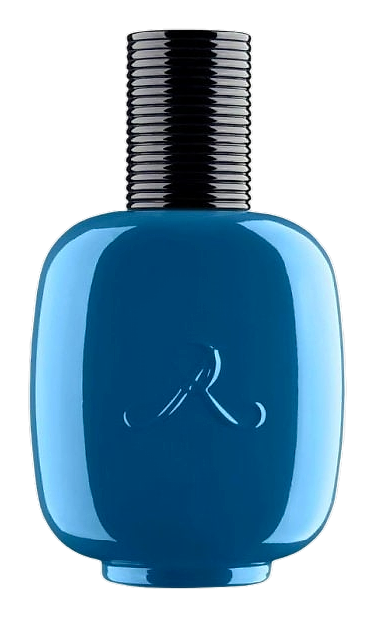
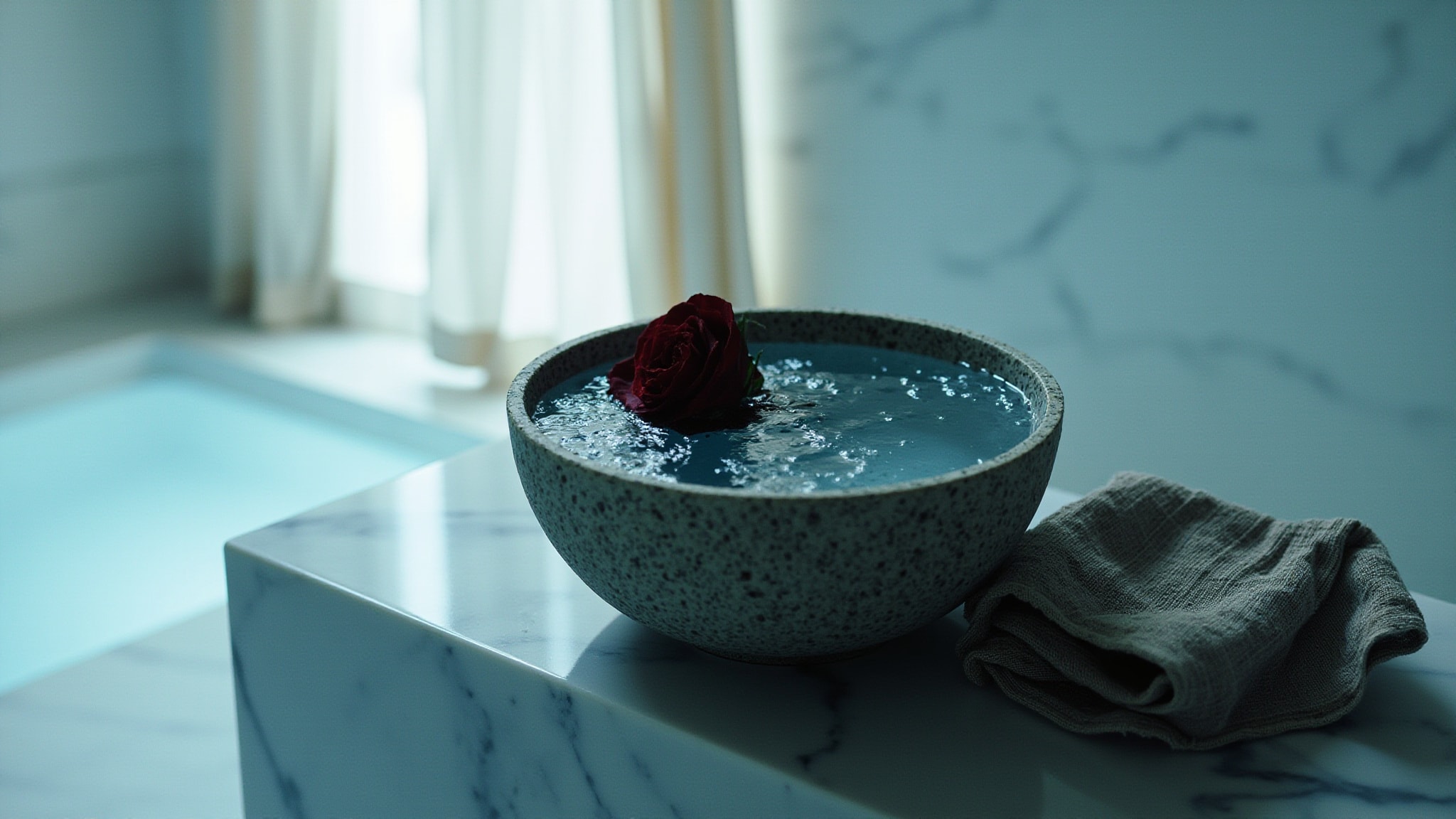
Serge de Oliveira built Bleu Abysse in 2019 around a question most perfumers wouldn't ask: what does deep water actually smell like? Not the beach. Not the surface. The abyss. He anchored the composition with Rosa Moschata, a musk rose whose delicate, faintly musky scent whispers from beneath the marine notes like something alive moving under dark water. The rose here is not a garden bloom but something suspended, translucent, cooled by the mineral accord that surrounds it. De Oliveira conceived the scent around waves of euphoria, the kind that rise and crest with the swell itself. The composition reads as a full, deliberate dive into cold, mineral-saturated water, the rose carrying through every layer like a heartbeat you feel rather than hear.
What's structurally unusual here is the mineral accord sitting where florals usually live. Bleu Abysse pushes the cold, stony, almost metallic element into the heart, where it carries the rose rather than framing it. The result is a musk rose that reads less like a garden and more like something pulled from a tide pool at low light. Elemi resin adds a peppery brightness to the opening that keeps the marine accord from going sterile, while frankincense and oud in the base lend the kind of incense gravity that turns a fresh scent into something with weight.
The evolution
The first thirty minutes are all charge. Blackcurrant and bergamot cut through the elemi's resinous brightness like sunlight on a wave face, bright, almost spicy, undeniably fresh. Then the mineral accord arrives and reshapes everything. The rose surfaces in the heart, but not as a garden flower. It reads cold, translucent, suspended in salt. There is a stony, faintly metallic quality that smells like the inside of a wave or a wet stone wall in northern light. This is the phase that polarizes, because it does not behave like a normal floral. The base arrives gradually over the next two hours: vetiver and patchouli bring an earthy anchor, frankincense smokes faintly underneath, and the oud emerges as a low hum rather than a statement. The seaweed persists in the background throughout, never fully announcing, never fully leaving.
Cultural impact
Bleu Abysse sits in an unusual corner of niche perfumery: a rose-driven aquatic with genuine mineral cold and oud in the base. For wearers drawn to marine scents, it offers something structurally different, a composition where the rose is the central carrier rather than an ornament to the water. The mineral accord is what people remember, and what some find difficult to reconcile with traditional rose expectations. Within the house's rose-centric catalog, it stands as a fragrance that places the flower in colder, stonier terrain, proof that a rose composition can read as deep water as easily as a garden.
The House
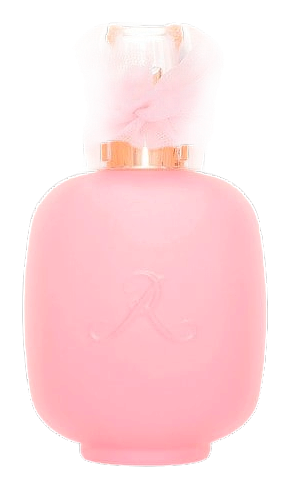
Les Parfums de RosineLes Parfums de Rosine is a historic French perfume house rooted in early 20th-century Parisian luxury. Paul Poiret, the celebrated fashion designer credited with liberating women from corsets, founded the house in 1911, naming it after his daughter Rosine. This made it one of the first fragrance lines attached to a fashion house identity. The brand lay dormant for decades before Marie-Hélène Rogeon, a fourth-generation perfumer whose family lineage traces to Louis Panafieu who reportedly created fragrances for Napoleon III, revived it in the 1990s. Today the house crafts rose-centric fragrances that range from powdery and classical to modern and gender-fluid. Each scent reflects a commitment to French perfumery traditions while speaking to contemporary sensibilities.
The Creator
Serge de OliveiraDe Oliveira gravitates naturally toward woody notes, particularly vetiver and patchouli, which drew his attention early under the mentorship of Richard Ibanez at IFF. His recent work leans heavily into 100% natural compositions, a deliberate and more demanding approach that su…