The Story
Why it exists.
The beginning
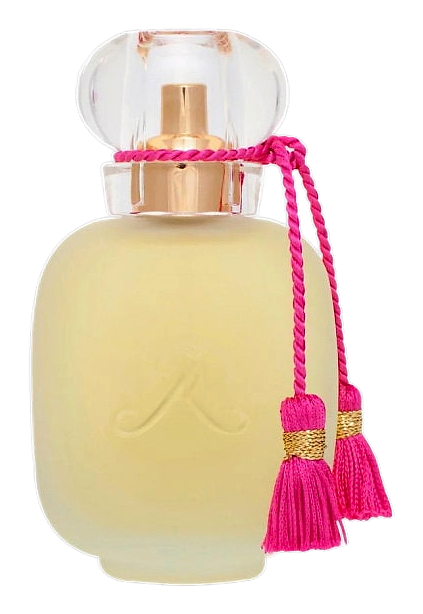
La Rose de Rosine arrived in 1991, and the name itself is the first clue. The house carries its identity in plain sight, and a fragrance bearing the word "rosine" circles directly into the subject the house has always built around. Not a side project. The thesis statement. François Robert composed this as a floral built on conviction rather than decoration. Three roses orbit the heart, not one, and each does different work. Bulgarian rose brings depth and jam. Grasse brings the fresh-cut brightness. Turkish rose brings the old-world romance that perfume lovers associate with the real thing. Around them, iris adds powder and structure, jasmine throws warmth into the center, and violet keeps the opening from reading as purely classical.
What separates La Rose de Rosine is its refusal to simplify. The violet and iris in the opening create a powdery coolness that keeps the rose from cloying, while ylang-ylang adds a tropical fullness most rose fragrances avoid. The base shifts toward resin and sweetness without ever becoming gourmand. Peru balsam and benzoin bring the warmth of church incense, tonka bean rounds it into something almost edible. The drydown is where this composition becomes its most generous.
The evolution
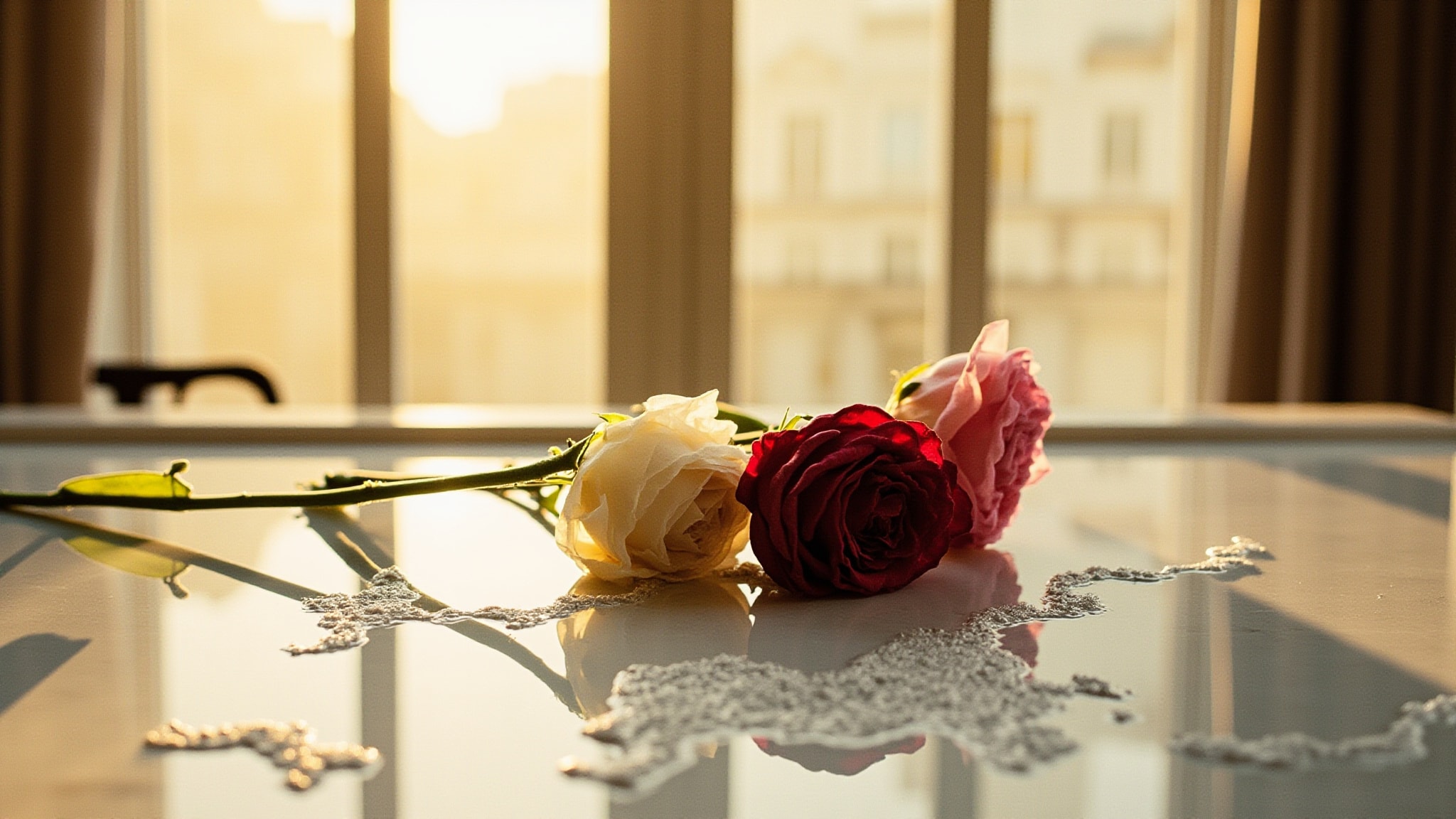
The first ten minutes are a negotiation. Rose, violet, and ylang-ylang arrive almost simultaneously, and the violet gives the opening a cool, powdery cast that softens the rose's intensity. It reads bright, slightly green, like cut stems in a glass vase. Not sharp. Cool. Around the 30-minute mark, the heart settles in. Bulgarian, Grasse, and Turkish rose layer over iris and jasmine. The composition turns denser, warmer, more narcotic. The iris keeps everything grounded, powdery, almost suede-like in texture. This is the phase most people will recognize as the signature of the fragrance. It holds for two to three hours without much shift, which is the point. It's a composition designed to be present, not to surprise. The transition to base is gradual. Peru balsam and benzoin creep in underneath the roses, bringing a warmth that reads almost like spiced honey. Tonka bean arrives last and softens everything into something closer to skin than to flower.
Cultural impact
La Rose de Rosine sits at the heart of a house defined by its commitment to rose. For wearers drawn to classical French floral perfumery, it's the flagship. The composition appeals to people who treat fragrance as part of getting dressed, chosen with the same care as a coat or a pair of shoes, layered and worn with intention. Within rose perfume circles, it's recognized for its traditional construction, the kind that builds a fragrance outward from a central floral rather than arranging a few trendy notes around a hollow center. The wear experience rewards attention.