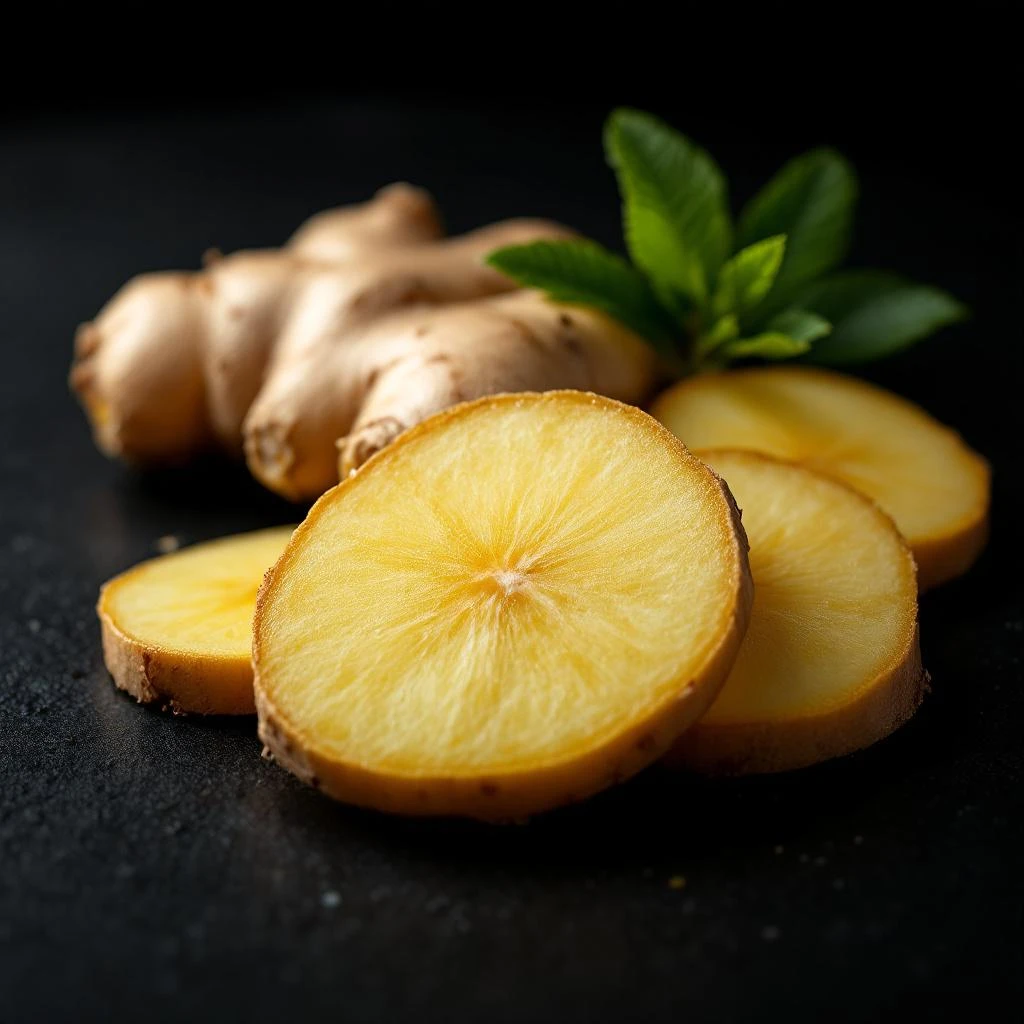
Coriander Seed
Coriander seeds deliver a warm, citrusy aroma with subtle peppery heat. This ancient ingredient, prized for over 5,000 years, brings aromatic complexity to masculine and chypre fragrances.
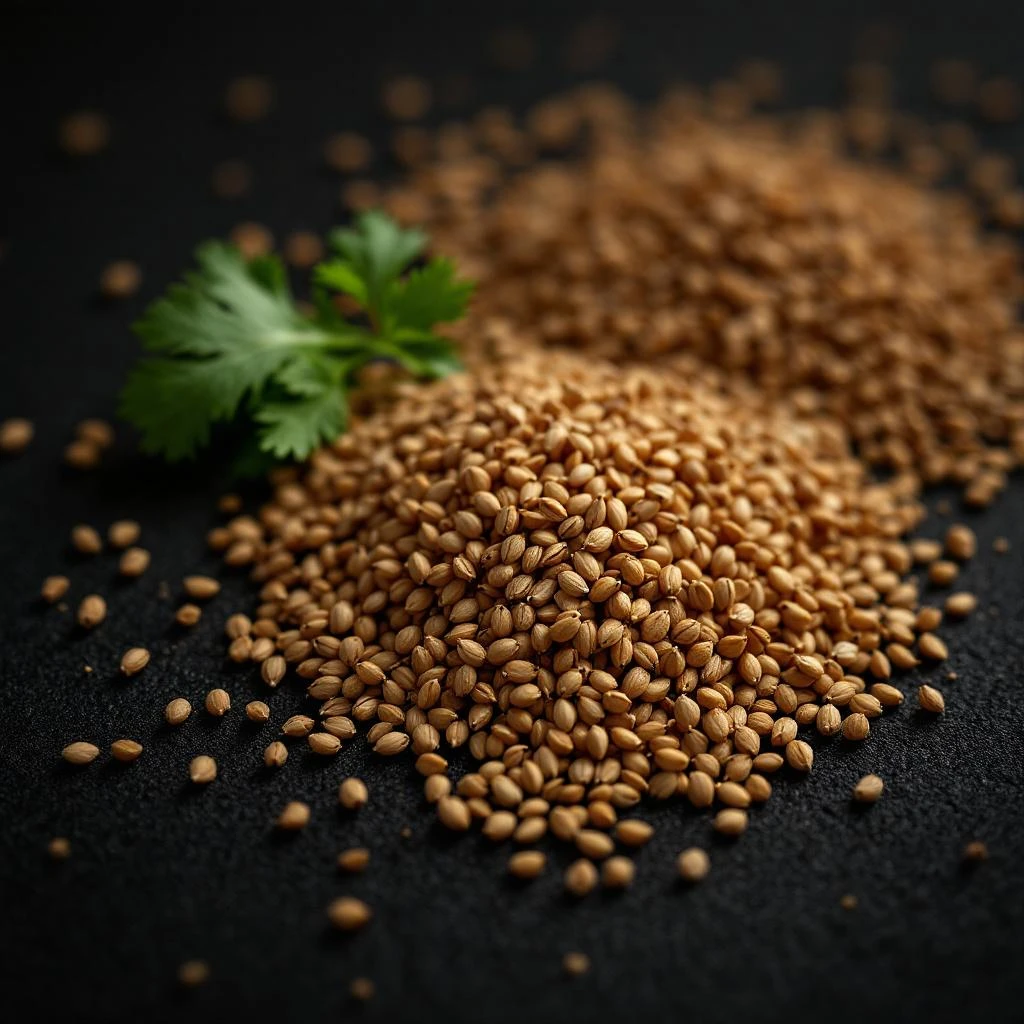
Character
How it smells
Warm citrus with peppery bite
The same plant that gives us cilantro leaves produces coriander seeds, yet the two smell entirely different.





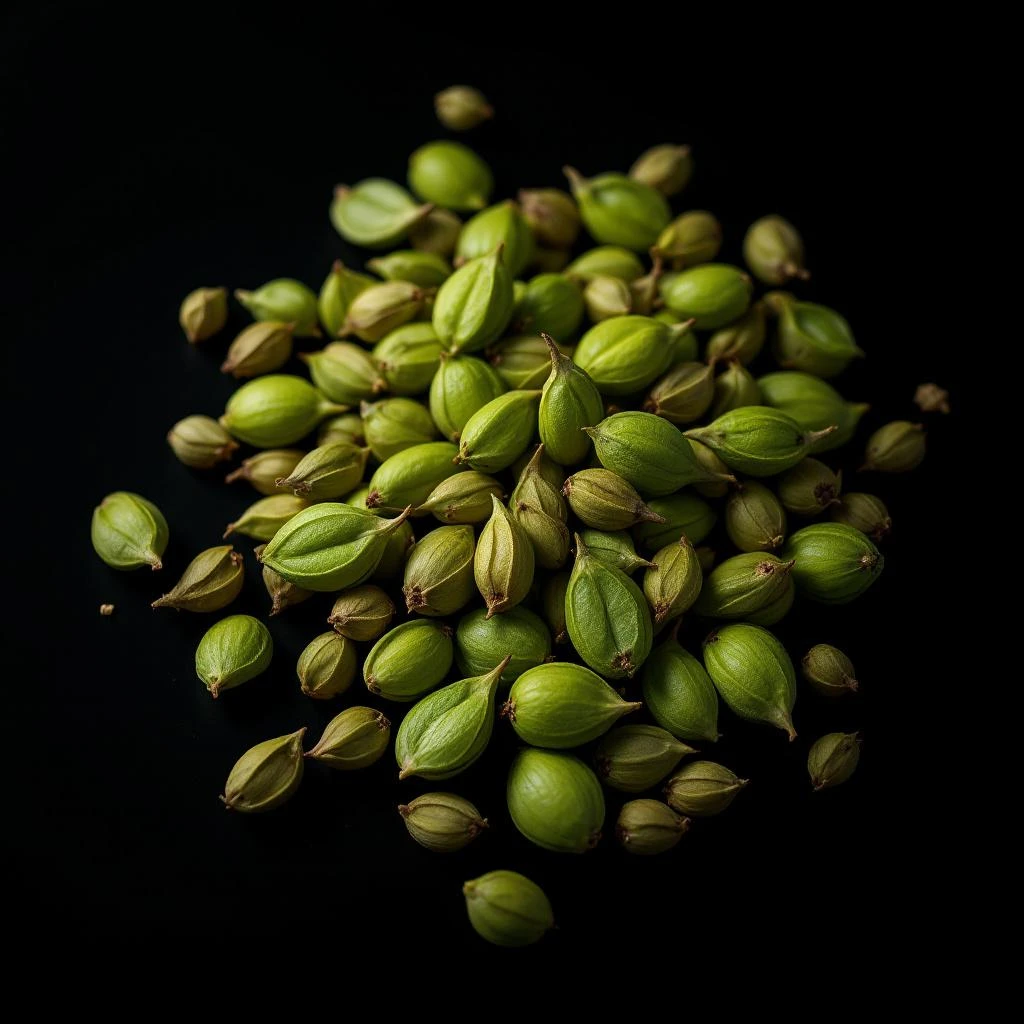



Origin
Mediterranean Basin
Coriander ranks among the oldest spices in human history. Archaeologists discovered the seeds in Egyptian tombs dating to approximately 1,000 BCE, and ancient texts including the Bible mention the herb in ritual and culinary contexts.
The plant originated in the Mediterranean Basin, and ancient Egyptians used it to ferment barley and millet flours for bread and beverages. Roman soldiers carried coriander for its supposed stamina-boosting properties, while physicians of the classical era prescribed it for digestive complaints and joint pain.
When Arabic alchemists introduced steam distillation to Europe during the medieval period, coriander found a new role in perfumery. The warm, aromatic qualities of the seed oil proved ideal for masculine fragrances and chypre compositions, a function it retains today across men's and women's fine fragrances.
Wears it best
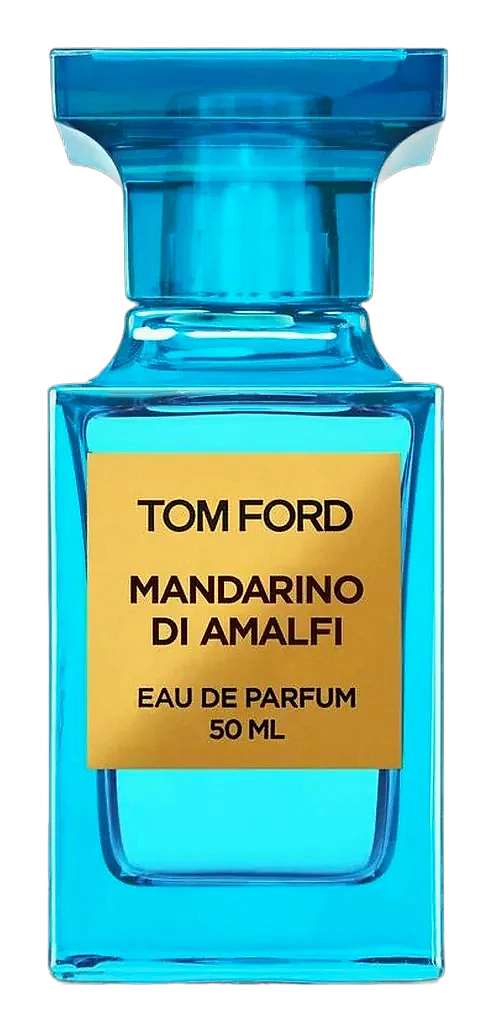
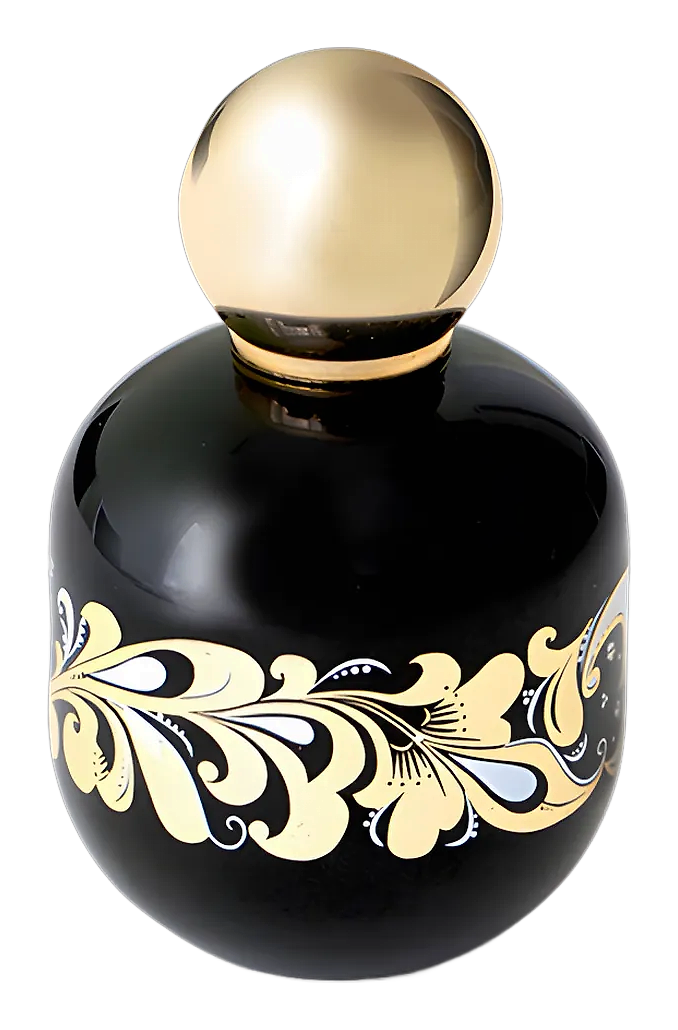
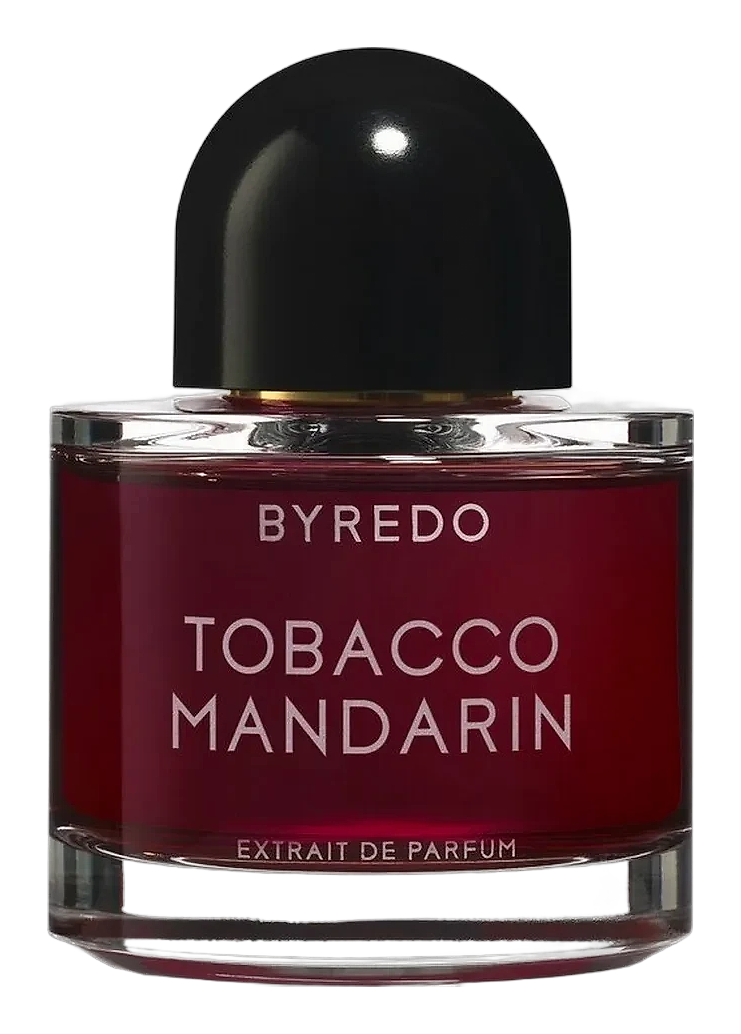
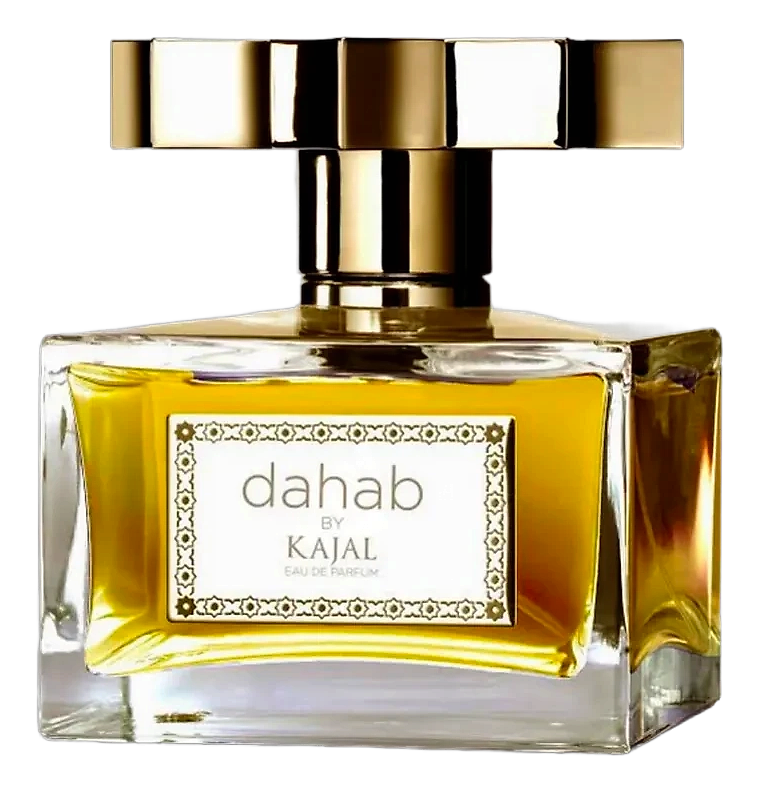
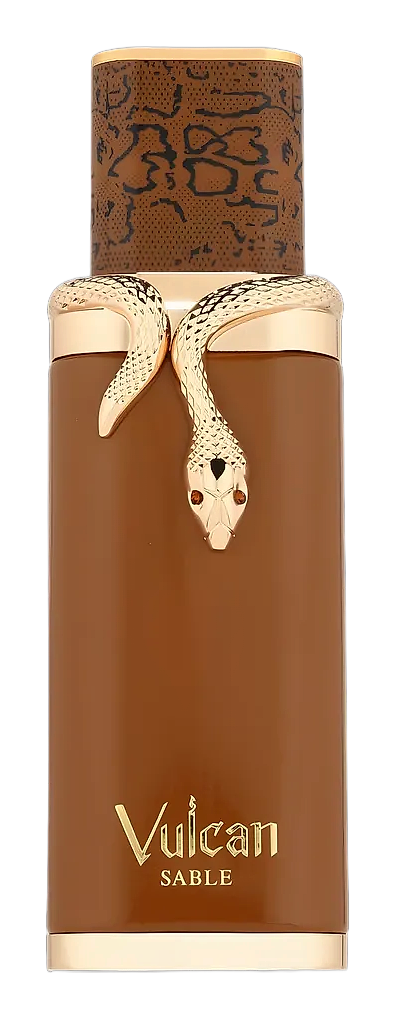
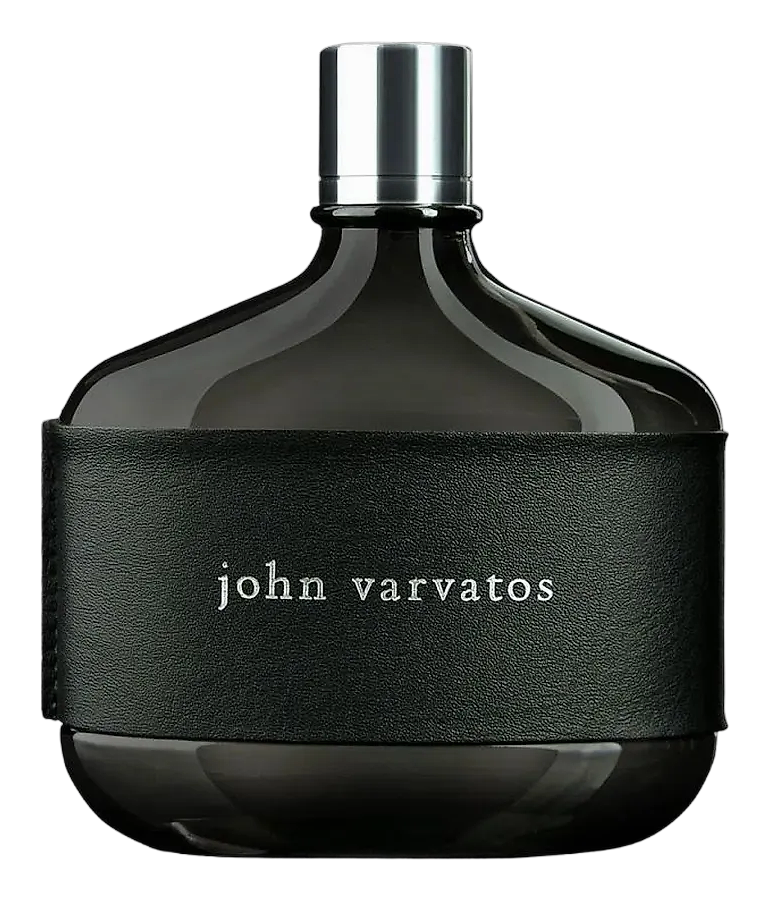
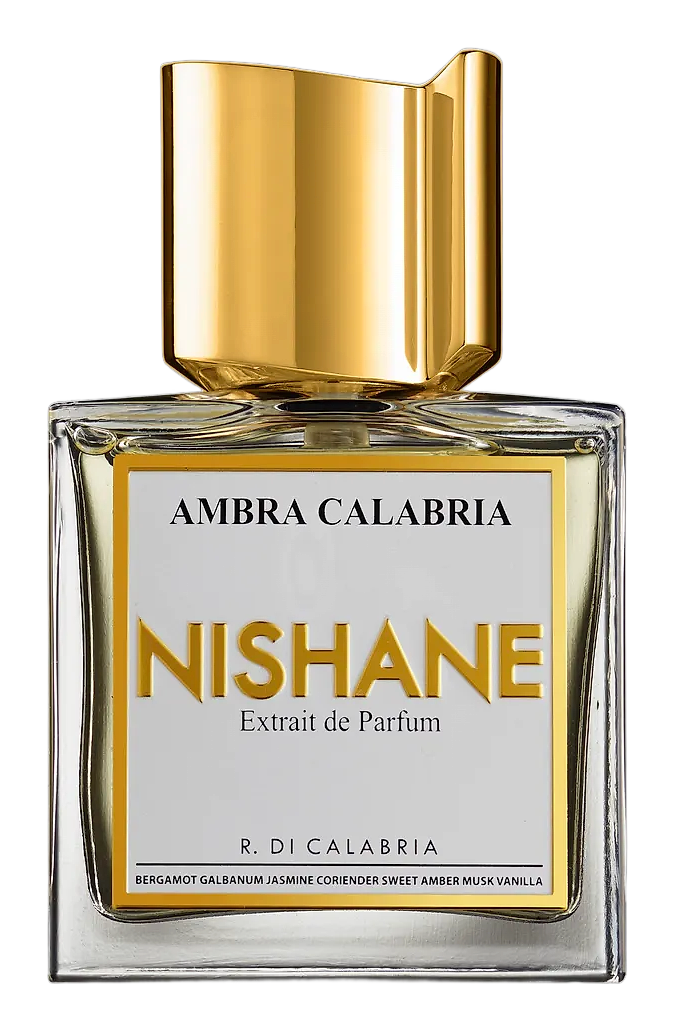
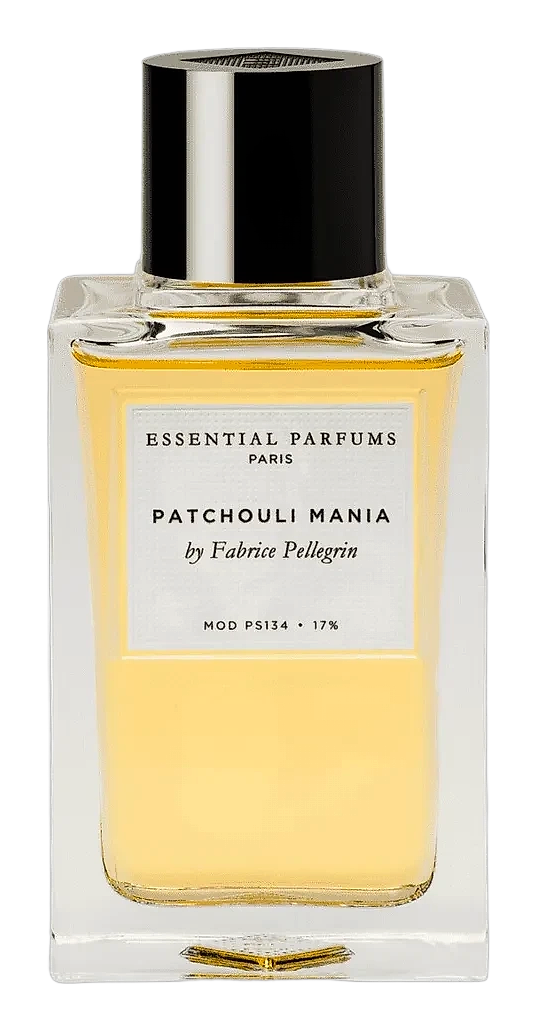
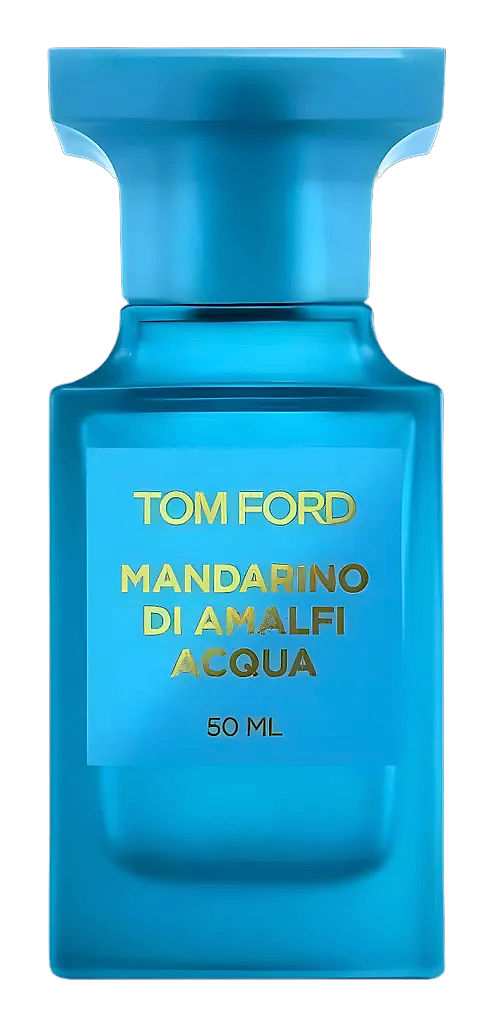
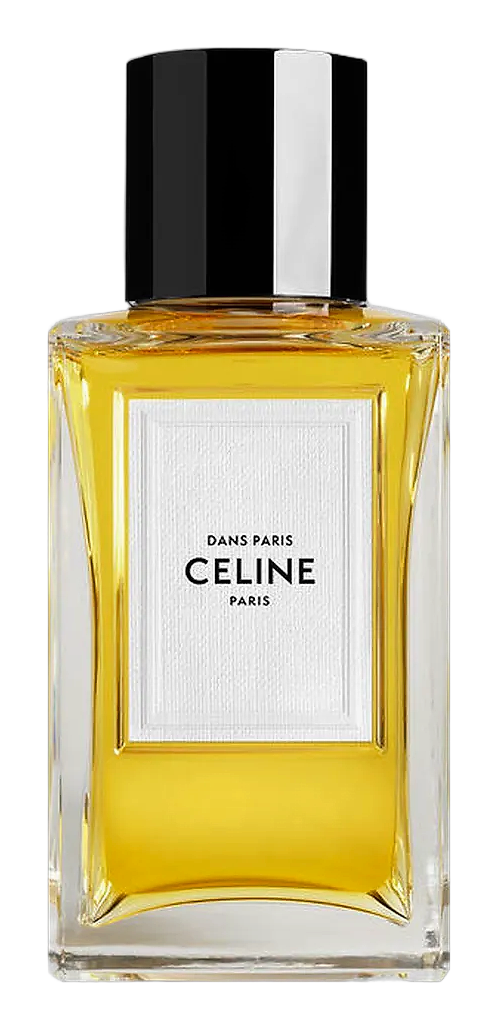
Fragrances featuring Coriander Seed

Brands
Brands known for Coriander Seed
Good to know
Questions, answered
The essentials on Coriander Seed in perfumery: how it smells, where it comes from, and how it behaves on skin.
What does coriander smell like in perfume?
Coriander seed has a warm, fresh scent that blends citrus brightness with gentle peppery heat and subtle woody undertones. Perfumers often describe it as a 'cold spice' for its ability to feel both sharp and warm simultaneously.
Which fragrance families use coriander as a key ingredient?
Coriander appears most prominently in chypre, aromatic, and fougère fragrances. It works especially well in masculine compositions where it adds freshness and complexity without sweetness.
How do perfumers extract the aroma from coriander seeds?
Steam distillation is the standard method. Hot vapor passes through crushed dried seeds, carrying the essential oil away as a fragrant condensate that perfumers then blend into fragrance bases.
What role does coriander play in fragrance composition?
In perfumery, coriander seed acts as a bridge note that connects bright citrus top notes with deeper base materials. It adds aromatic lift and a clean, slightly spicy quality that energizes a fragrance's opening.
Which countries produce the highest-quality coriander seed for perfumery?
India, Morocco, and Spain are major producers of perfumery-grade coriander seed oil. The growing region's climate and soil directly influence the seed's linalool content, which determines the oil's aromatic intensity.
Why do some people perceive coriander differently in fragrance?
Genetic variations in olfactory receptors cause roughly 3-14% of people to detect a soapy or aldehydic quality in coriander, both in cooking and perfumery applications. This explains why individual responses to coriander-themed fragrances vary.
How long has coriander been used in perfumery?
Coriander seed oil has served as a fragrance ingredient since the 1900s, though the spice itself has a 5,000-year documented history in perfumery dating back to ancient Egypt and Mesopotamia.
What other ingredients pair well with coriander in fragrance?
Coriander combines naturally with bergamot, cardamom, and other citrus and spice materials. It also pairs with rose and geranium in unexpected ways, where its green, aromatic quality adds sparkle to floral heart notes.