The Story
Why it exists.
The beginning
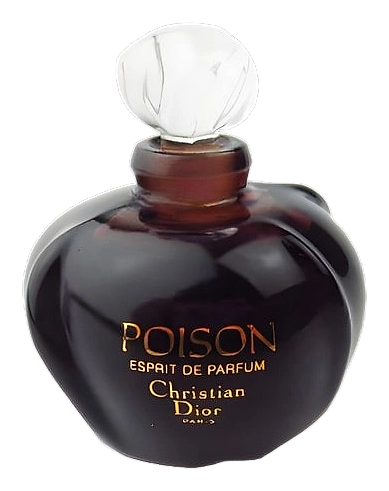
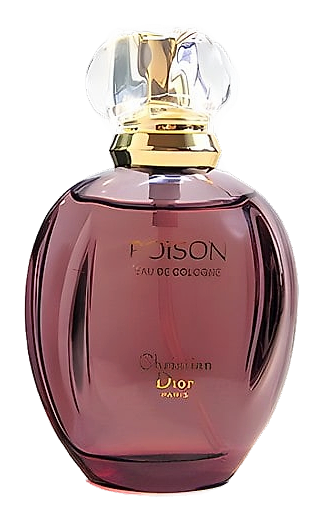
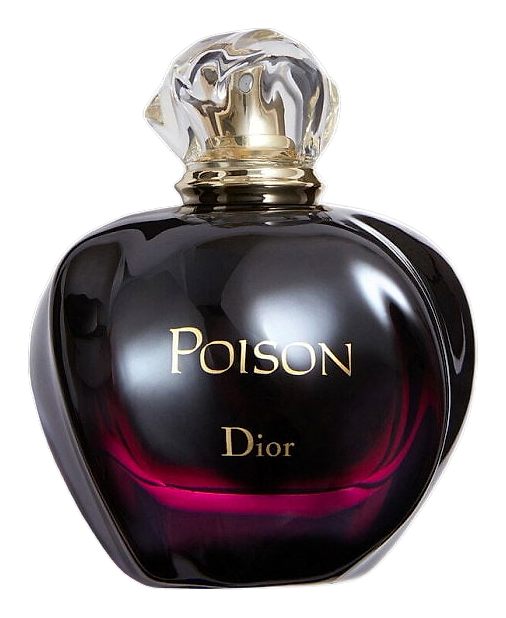
Christian Dior had been gone nearly three decades, but the fragrance house he left behind still understood that couture demanded a finishing touch sharp enough to cut through. Poison was tuberose-anchored from its first breath, an oriental built on density rather than delicacy. Jean Guichard composed it as a study in saturation, each accord layered until the whole reads as a single, immersive statement. The bottle, designed by Véronique Monod, was conceived as an extension of that conviction. Nothing about it was meant to blend into a vanity tray.
What Poison does with its structure is stack fruit and spice before the floral even arrives. Plum and forest berries coated in orange honey open the door, followed by coriander, aniseed, and pimento that read almost savory. When the tuberose finally surfaces, it lands on a bed of opoponax and cinnamon that makes the white floral feel lacquered rather than powdery. It's a construction built to keep the sweetness from dissolving into something polite.
The evolution
The opening minutes announce themselves with a sweetness that could read as simple, almost candied. Plum, berries, and that orange honey note come forward first, coating the air in something that feels almost edible. But the coriander and aniseed arrive fast, pulling the opening sideways into something spiced and almost herbal. The floral heart then begins its buildup. Tuberose comes in dense and creamy, lifted by jasmine and neroli, then darkened by cinnamon and the resinous pull of frankincense and opoponax. Carnation adds a clove-edged warmth that keeps the bouquet from going innocent. The drydown is where Poison earns its longevity. Amber, heliotrope, sandalwood, and vanilla settle into a honeyed resin that stays warm on skin for hours. What's left reads as a soft ambery sweetness with just enough spice to keep it from collapsing into dessert.
Cultural impact
Poison arrived as one of the most discussed launches of its era, a tuberose-anchored oriental that turned heads for its refusal to dilute itself. It became a fixture in the conversation around bold women's perfumery, a reference point that other launches were inevitably compared against. Nearly forty years on, it still gets cited whenever a new scent pushes toward the maximalist end of the spectrum. Its staying power says more than any launch-year review could.