Berries
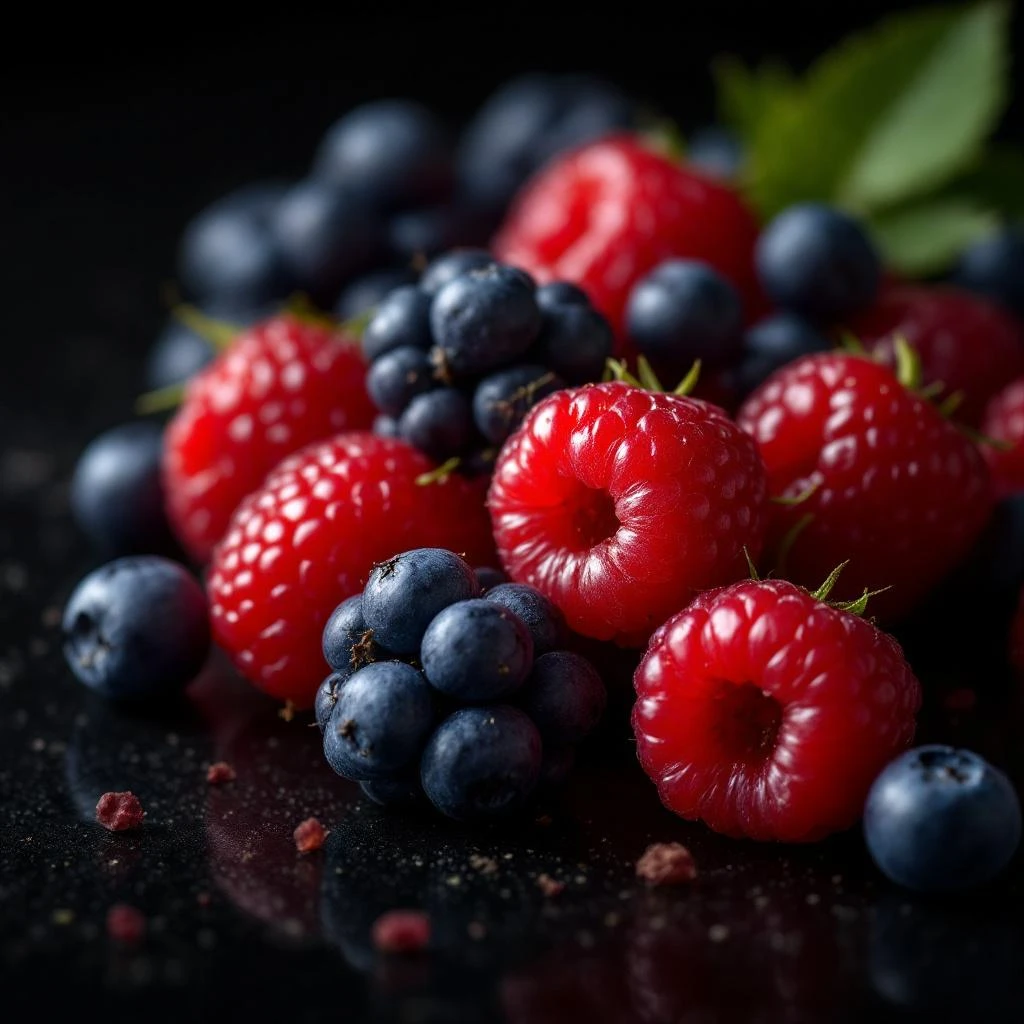
Berries bring a burst of tart sweetness to fragrance, capturing the sharp, sun-warmed scent of fruit at peak ripeness. From blackcurrant buds to juniper, these notes add vivid sparkle.
Character
How it smells
Tart, sweet, unmistakably alive.
Blackcurrant buds yield an aromatic absolute called bourgeon de cassis, prized in perfumery since the 1950s for its catty, fruity-green intensity.









Origin
France
Berries entered Western perfumery relatively late compared to resins and flower absolutes. The blackcurrant bud absolute, known in French as bourgeon de cassis, became commercially significant in the mid-20th century when perfumers in Grasse began exploring its sharp, buchu-like character. It remains one of the few true natural berry extracts in widespread use.
Before that, berries appeared mostly in folk traditions, tisanes, and culinary flavorings rather than fine fragrance. In aromatherapy and natural perfumery, juniper berry oil has a centuries-long history tied to gin production and European folk healing, where it served as a diuretic and antiseptic. The modern berry note, particularly the raspberry-strawberry sweetness now common in gourmand fragrances, owes its existence almost entirely to synthetic chemistry developed from the 1960s onward.
Chemists identified compounds like beta-ionone and various esters that replicate ripe fruit character. Without these molecules, the candy-sweet berry accords found in contemporary niche and mainstream perfumery simply would not exist.
Wears it best
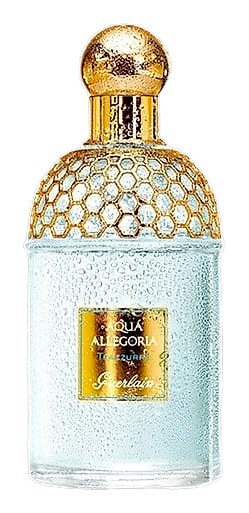
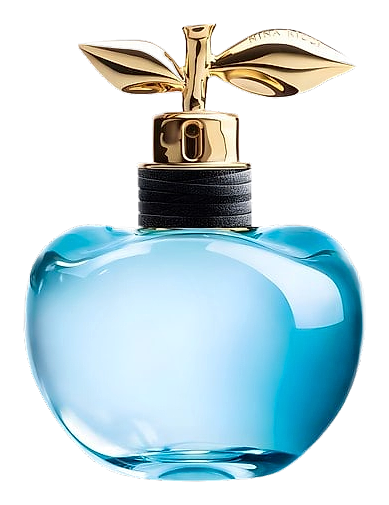
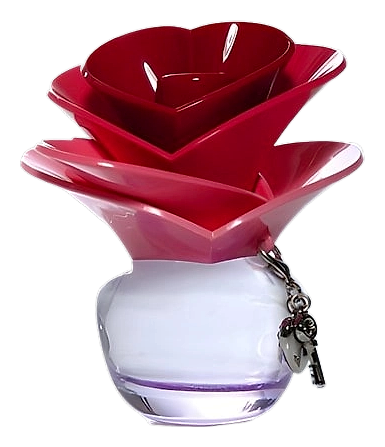
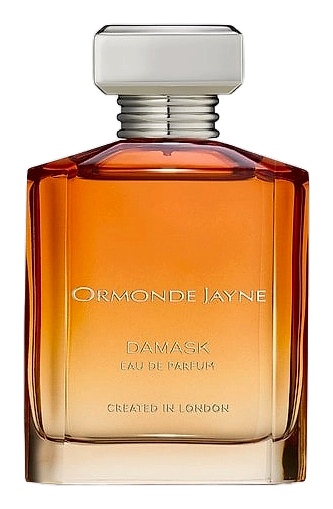
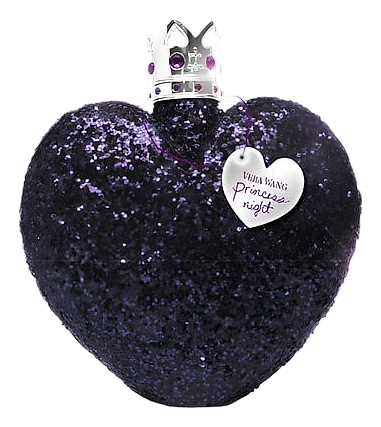
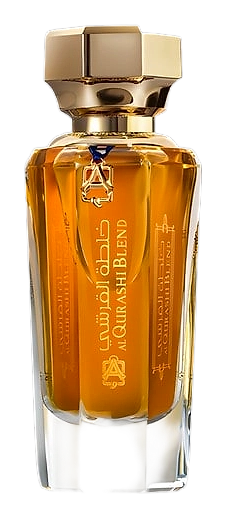
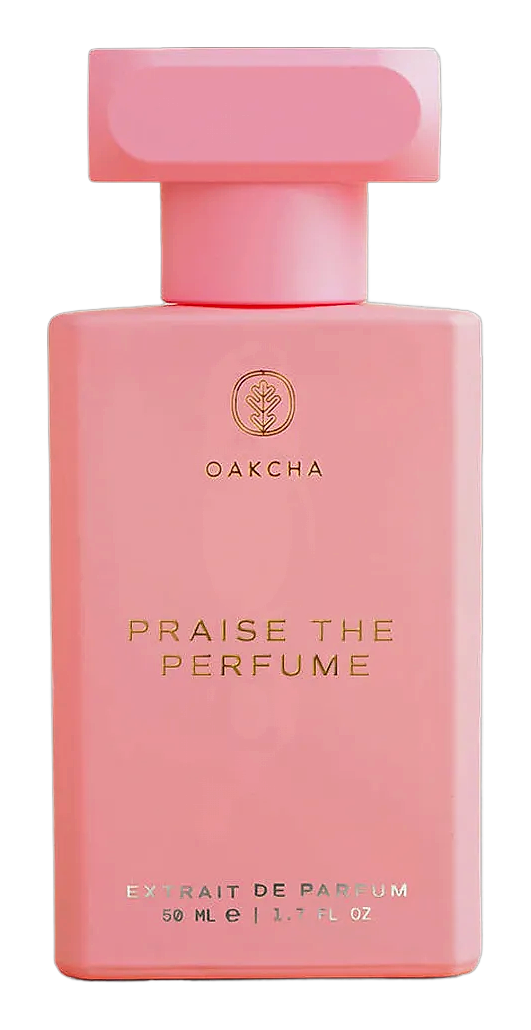
Fragrances featuring Berries


Brands
Brands known for Berries
Good to know
Questions, answered
The essentials on Berries in perfumery: how it smells, where it comes from, and how it behaves on skin.
What does the berry note smell like in perfume?
Berry notes range from tart and green to jammy and sweet. Blackcurrant reads sharp and catty, while raspberry and strawberry tend toward candy-like sweetness with soft, fruity depth.
Are berry fragrances natural or synthetic?
Most berry notes in modern perfumery are synthetic reconstructions. True berry oils are rare and expensive because the fruits contain very little aromatic oil compared to citrus peels or flower petals.
Which berries are actually used in perfumery?
Blackcurrant buds are the most common natural source, yielding bourgeon de cassis absolute. Juniper berries are steam-distilled for a woody, gin-like note used in aromatics.
When did berry notes become popular in perfume?
Berry notes surged in the 1950s with blackcurrant bud absolute and expanded dramatically after the 1960s when synthetic molecules made raspberry and strawberry accords affordable and stable.
Is blackcurrant the same as cassis in fragrance?
Yes. Cassis refers to blackcurrant bud absolute (bourgeon de cassis) extracted from unopened flower buds rather than the ripe berries, giving it a sharper, more green-fruity profile.
Do berry notes last long on skin?
Berry accords vary by formulation. Heavy, jammy berry bases built on ethyl maltol and musks can persist for hours, while lighter berry top notes tend to evaporate within 30 to 60 minutes.
Are berry perfumes unisex?
Berry notes appear across all fragrance categories. Tart, green-leaning berries lean masculine or unisex, while sweet strawberry and raspberry accords skew toward feminine and gourmand compositions.
Can berries cause skin sensitivity in perfume?
Berry reconstructions rely on synthetic esters and ketones, which are generally well-tolerated. Natural berry extracts may contain trace allergens, but sensitivity reactions remain uncommon in standard usage.





