
The Story
Why it exists.
The beginning
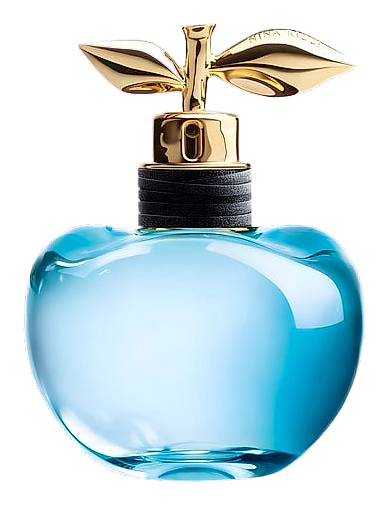
Luna emerged from a single question: what would it feel like to find joy in the smallest things? Martin Švach, the Czech perfumer behind Kintsugi Perfumes, built this fragrance around a paradox, sweetness that doesn't need defending, playfulness with real depth. The name points upward, but the composition stays grounded. It was conceived as a scent that could hold both the wonder of a child and the quiet knowing of an old soul, without choosing between them.
The cotton candy note is the bait. Everyone recognizes it, that immediate rush of something familiar, almost embarrassingly sweet. But Švach surrounds it with clove and oakmoss, materials that push back. The violet and ambergris in the heart add complexity, a slightly animalic warmth that most mass-market cotton candy scents never attempt. This is the part most people miss on first spray: Luna isn't trying to smell like a fairground. It's using that association as a door into something stranger and more interesting.
The evolution
The opening lands soft and immediate, cotton candy dissolving on warm skin, orange blossom lifting above it like steam from a drink you just picked up. Cloves arrive within minutes, not to sharpen but to hold the sweetness down, keep it from floating away entirely. The heart introduces violet's powdery bloom and tonka's cream, but the ambergris is the real storyteller here, a faint animalic warmth that makes the composition feel alive, like skin, not a bottle. By hour three, the sweetness has settled into amber and oakmoss, earthy and grounding, with vetiver trailing behind like a memory of the garden you walked through at dusk. On fabric, Luna holds for most of a workday. On skin, it changes character entirely between the first spray and the final hour.
Cultural impact
Luna has found a following among wearers who want sweetness without simplicity. The cotton candy opening draws people in; the oakmoss drydown keeps them coming back. It sits comfortably in the overlap between playful and mature, sweet and grounded, a balance most fragrances in this category never achieve.
The House
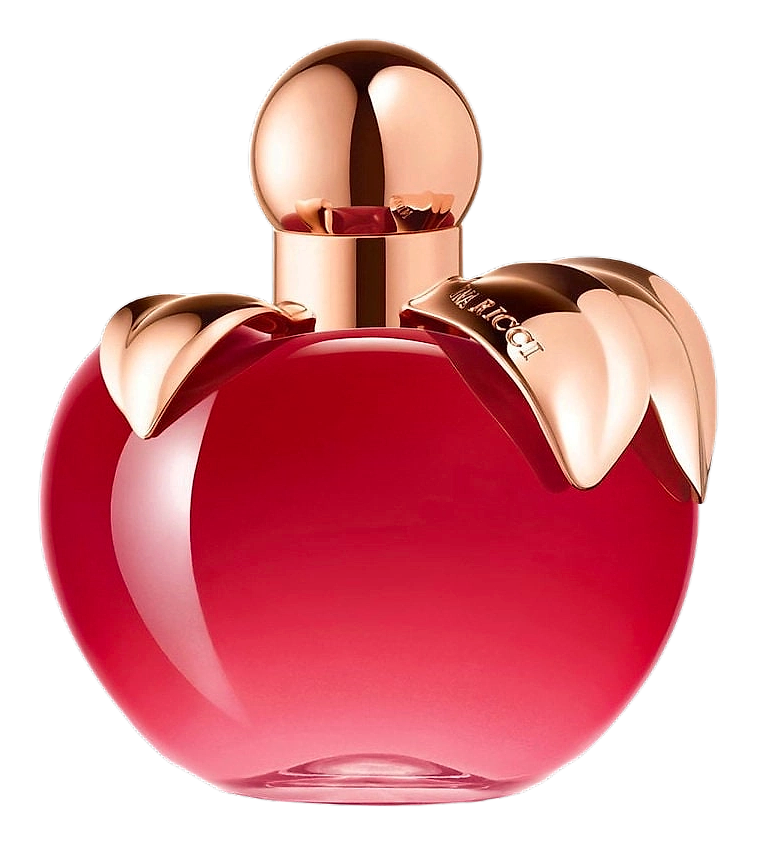
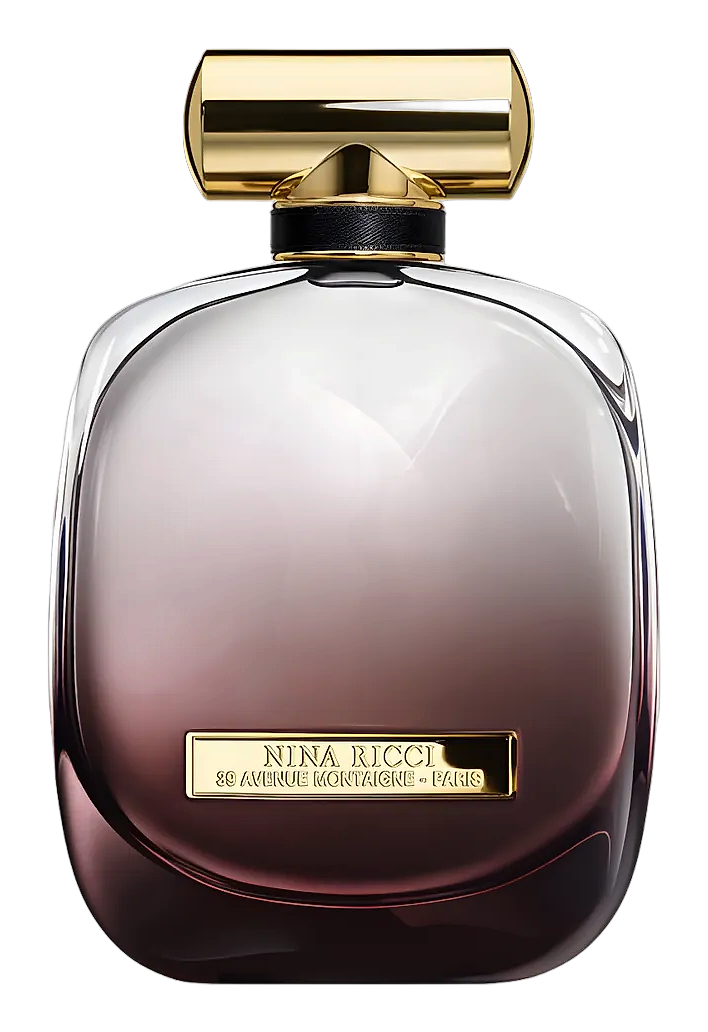
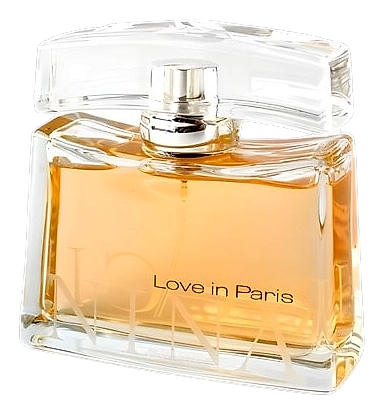
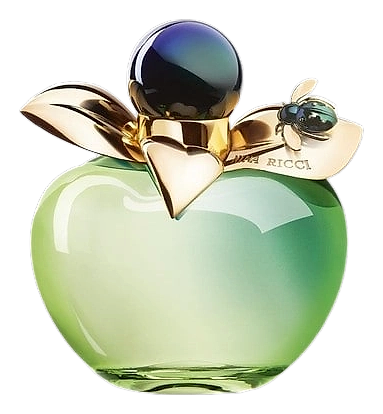
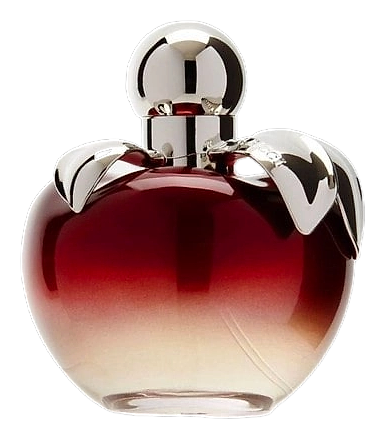
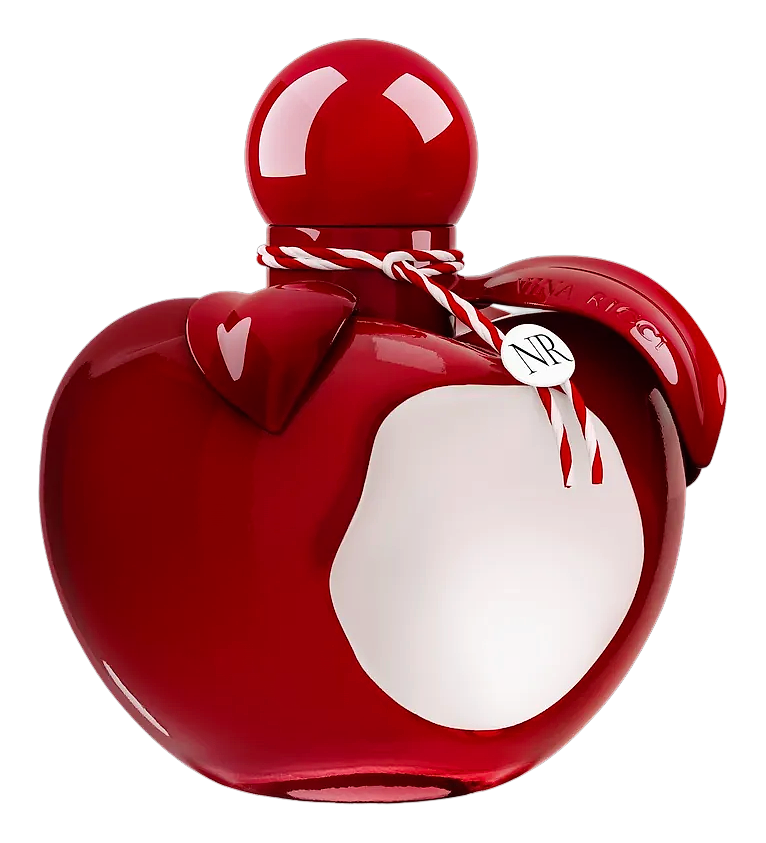
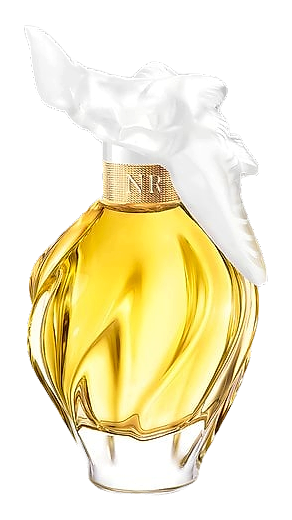
Nina RicciNina Ricci is a Parisian fashion house founded in 1932 by Italian-born designer Maria "Nina" Ricci and her son Robert Ricci. The house began as a couture salon on Rue Haussmann, quickly establishing a reputation for refined, feminine gowns with romantic sensibility. Robert established an in-house perfume division in 1941, though the first fragrance would not arrive until 1946. That inaugural scent, Coeur Joie, marked the beginning of a partnership with Lalique that would define the house's olfactory identity. The house introduced its most celebrated fragrance, L'Air du Temps, in 1948, a scent that remains in production decades later. Puig acquired Nina Ricci in 1998, bringing the house under the same ownership that manages Carolina Herrera and Jean Paul Gaultier. Today, the fragrance collection spans from timeless classics to contemporary offerings like the Nina line, maintaining the house's commitment to feminine elegance.
The Creator
Martin ŠvachŠvach gravitates toward fresh, naturalistic compositions with clear structural logic. The Kingdom Come fragrance demonstrates his comfort with bright top notes, specifically apple, balanced against herbaceous undertones that ground the freshness without dulling it.