The Story
Why it exists.
The beginning
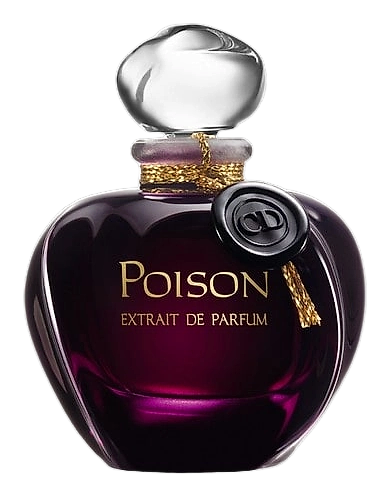
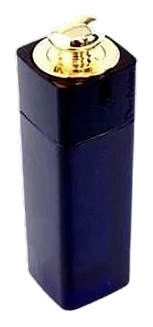
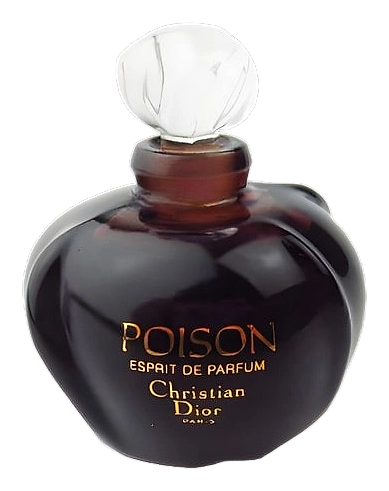
Edouard Fléchier composed Poison Esprit de Parfum for Dior in 1985, placing it within the house's Les Esprits de Parfum collection, five icons revisited through the lens of intensified concentration and daring composition. The Esprit de Parfum format allowed Fléchier to push the original Poison's character further, amplifying its dark fruity florals and resinous warmth into something more concentrated, more uncompromising. This was Dior at its most assertive: not a gentle reinterpretation but a declaration.
What makes this composition distinctive is its refusal to resolve cleanly. The top notes arrive fruity and almost sweet, plum and forest berries could easily tip into dessert territory, until the aniseed and coriander cut through with a sharp, aromatic edge that demands attention. That tension between the gourmand and the stern is where Poison Esprit lives. The honeyed tuberose in the heart doesn't soften the spice; it adds another layer of opulence, making the whole thing feel heavier, more cinematic. This isn't a fragrance that fades into the background. It builds.
The evolution
The first minutes announce themselves with dark plum and a surprising anisic edge, sweetness that doesn't apologize, spice that cuts back. Fifteen minutes in, tuberose takes the stage alongside honeyed warmth, incense lending smoke to what could have been purely floral. The transition feels like moving from a candlelit foyer into a room thick with candles. By the second hour, the drydown arrives: amber and vanilla settling close, powdery and warm, the kind of finish that stays intimate rather than projecting. On most skin, this holds for ten hours or more. The base notes, sandalwood, vetiver, heliotrope, don't so much disappear as become part of the wearer, close enough to catch on a wrist but not announcing itself to the room.
Cultural impact
Dior's Poison arrived in 1985 as part of a house known for bold statements, and it won a FiFi Award in 1987 in the Women's Fragrance of the Year, Luxe category. That recognition reflected how Poison distinguished itself from its contemporaries: tuberose-forward where others were citrus or green, long-lasting where others faded within an hour. The Esprit de Parfum concentration pushed that character further, creating something that wore like an event rather than a background note.