
The Story
Why it exists.
The beginning
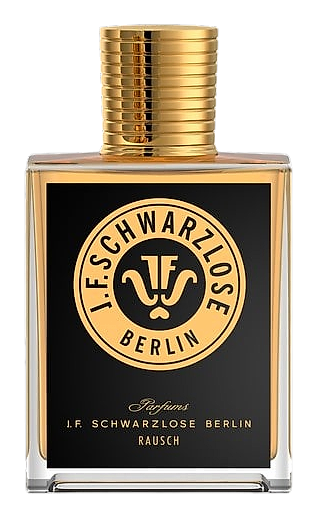
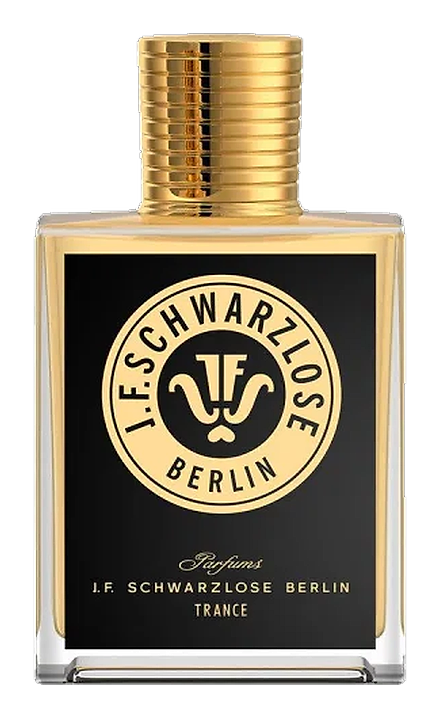
Trance emerged in 2012 when perfumer Véronique Nyberg was tasked with translating J.F. Schwarzlose Berlin's century-old apothecary spirit into a modern unisex ode. The house, rooted in an 1856 Berlin drugstore that once served imperial courts, sought a scent that could echo the city's clash of tradition and audacity. Nyberg's solution was to begin with an uncompromising rose, a material she describes as inherently theatrical, then build complexity through spice and resin rather than the expected wood or musk. The result is a fragrance that feels simultaneously rooted in history and defiantly contemporary.
The note philosophy behind Trance reflects a deliberate conversation between fragility and strength. Rose represents beauty that is fleeting yet powerful, while absinthe carries a legacy of hedonistic allure and bohemian rebellion. Labdanum, a resin with ancient perfumery roots, bridges these two worlds, adding longevity and a sense of timelessness. Together, these materials create a fragrance that rewards patience, revealing new facets as it evolves on the skin. The pairing of rose with absinthe is unconventional precisely because it refuses easy categorization, making Trance a scent for those who want their fragrance to ask questions rather than provide comfortable answers.
The evolution
The opening rose arrives with confidence, immediately establishing the scent's bold intent. Within the first hour, spices emerge from the heart layer, adding dimension without overwhelming the floral foundation. As time passes, the floral heart becomes richer and more complex, the rose deepening into something almost velvety. The transition to the drydown marks the fragrance's most dramatic shift: absinthe brings a sharp, herbal quality that cuts through the sweetness, while labdanum adds a sticky, balsamic warmth that softens the bitterness. By the final hours, the scent has completed its transformation from floral statement to resinous meditation.
Cultural impact
Trance emerged in 2012 as a bridge between Berlin’s historic perfume heritage and a modern, gender‑fluid aesthetic, quickly becoming a reference point for rose‑centric compositions in niche circles. Its Turkish Rose top note revived interest in Middle‑Eastern floral sourcing, prompting several houses to explore similar botanicals. Over the past decade the scent has been featured in runway shows, art installations, and curated scent‑pairing events, influencing a wave of rose‑spice hybrids that balance tradition with avant‑garde sensibilities.