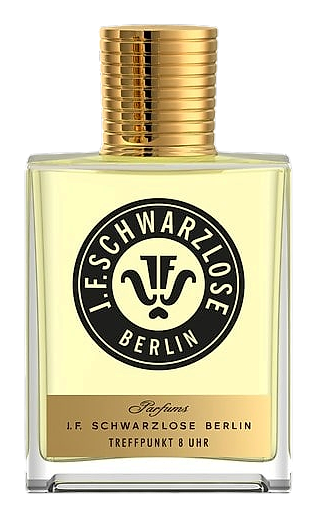
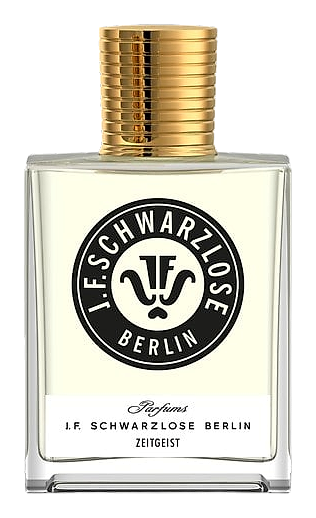
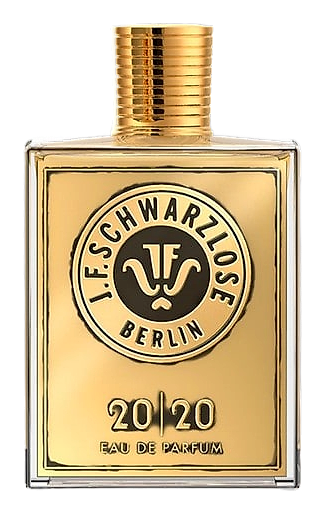
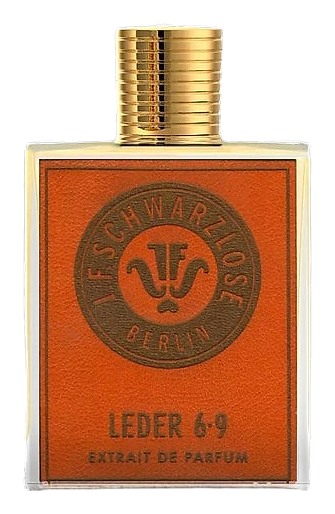
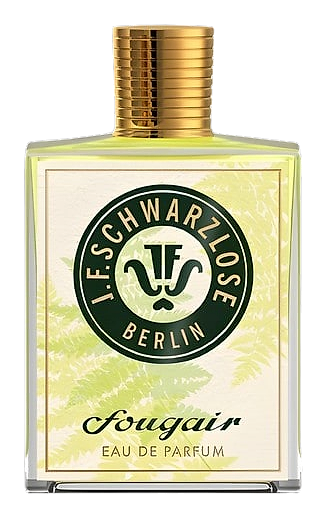
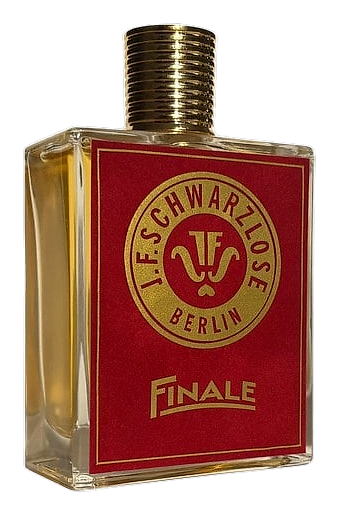
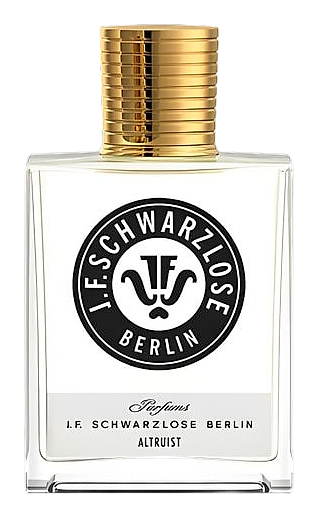
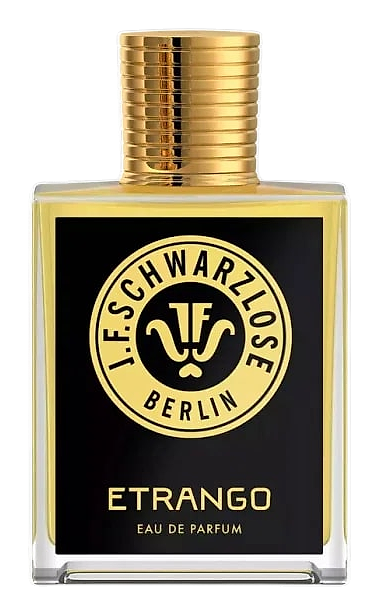
The Heritage
The Story of J.F. Schwarzlose Berlin
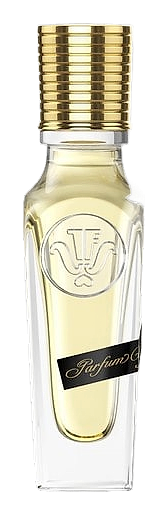
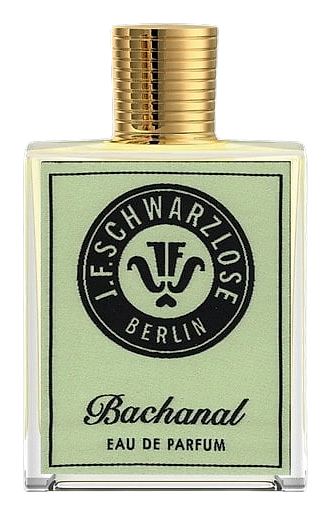
J.F. Schwarzlose Berlin traces its roots to a modest chemist’s shop opened in 1856 by Joachim‑Friedrich Schwarzlose, a piano maker who turned to pharmacy and colonial goods near Berlin’s Gendarmenmarkt. Over more than a century the house moved from serving local patrons to supplying the German imperial court, then endured two world wars before re‑emerging in the 2010s with a contemporary line of niche fragrances. Today the brand balances historic craft with a Berlin‑centric aesthetic, offering scents such as Parfum Captive #1 (2017), Leder 6·9 (2024) and Finale (2025) while keeping production small and ingredient‑focused.
Heritage
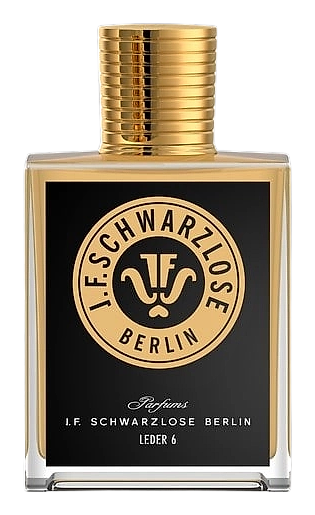
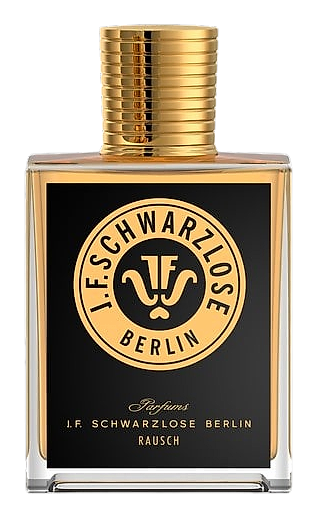
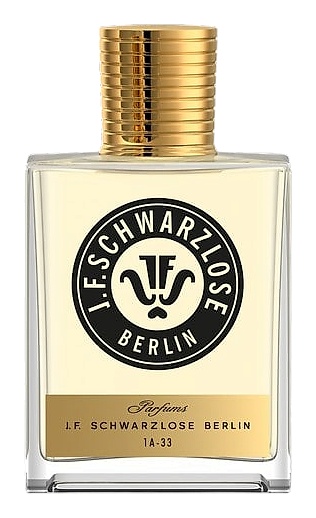
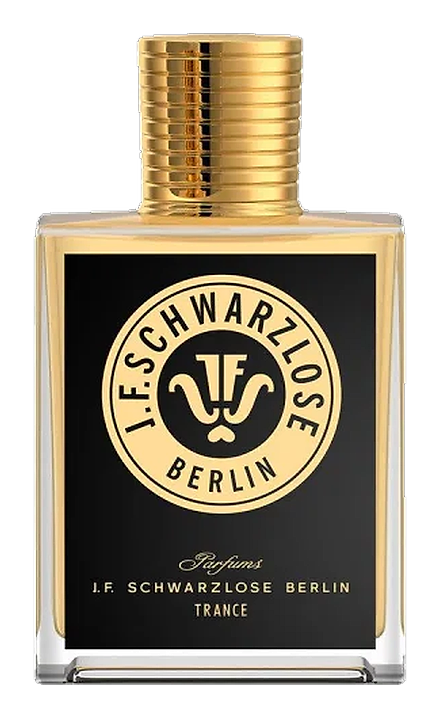
In 1856 Joachim‑Friedrich Schwarzlose opened a drugstore and colonial‑goods shop at Markgrafenstrasse 29, close to the Gendarmenmarkt. His background as a piano maker gave him a meticulous approach to measurement, which he applied to the preparation of tinctures and scented balms. By the late 19th century the shop had earned a reputation for high‑quality preparations, attracting commissions from the royal and imperial courts of Germany. Records from the early 1900s list Schwarzlose as a supplier of scented waters and medicinal extracts to the court of Kaiser Wilhelm II. The business survived the upheavals of World War I, but the destruction of Berlin’s central districts during World II forced the family to relocate and scale back operations. After the war the original storefront closed, and the name lived on only in a handful of vintage bottles that collectors kept. In the early 2010s a new generation of the Schwarzlose family, led by Lutz Hermann, revived the house as a niche perfume brand. The revival began with a limited series of modern scents released in 2012, including Rausch, 1A‑33, Trance and Treffpunkt 8 Uhr. These launches marked the first time the historic name appeared on contemporary fragrance shelves. The brand continued to expand its catalogue, adding Altruist (2015), Leder 6 (2015) and the Parfum Captive series (2017). Recent releases such as Leder 6·9 (2024) and Finale (2025) show a continued commitment to blending historic reference with present‑day Berlin culture. Throughout its history the house has remained a family‑run operation, preserving original recipes where possible and reinterpreting them for modern noses.
Craftsmanship
Production takes place in a modest Berlin workshop that follows the same precision the founder applied to his original tinctures. Raw materials arrive from vetted farms in France, Italy, Morocco and the Balkans, where the house conducts on‑site visits to verify extraction methods. Natural absolutes such as Bulgarian rose, Tuscan lavender and Moroccan argan oil are blended with select synthetics that replicate historic notes no longer available in their original form. The blending process uses stainless‑steel vessels calibrated to temperature tolerances recorded in the 19th‑century ledgers of the original shop. After a batch is mixed, it rests for a minimum of six weeks in temperature‑controlled rooms, allowing the accords to harmonize. Each batch is then sampled by the creative director and a senior perfumer, who compare the result against a reference standard kept in the archive. Only when the scent meets the established profile does the house move to bottling. Bottles are filled by hand, and each is sealed with a wax stamp bearing the Schwarzlose monogram, a nod to the original pharmacy seal. Quality control includes gas‑chromatography analysis to confirm the concentration of key ingredients and to detect any unwanted oxidation. The house limits annual output to preserve exclusivity and to maintain the integrity of each formulation, a practice that echoes the limited‑run approach of the 19th‑century apothecary.
Design Language
Visual identity draws on the clean lines of early Berlin architecture while referencing the historic pharmacy’s signage. The logo features a stylized blackletter “S” framed by a simple rectangular border, reminiscent of a vintage apothecary label. Bottles are made of clear glass with a thin, matte black collar that echoes the metal caps used on the original medicinal bottles. The label typography uses a modern sans‑serif typeface paired with subtle gold foil accents that hint at the brand’s court‑supply past. Packaging boxes are printed on recycled cardboard, their surface finished with a soft-touch coating that feels like the vellum of old prescription books. Each release includes a small booklet that outlines the scent’s historical reference, the specific Berlin location or event that inspired it, and details about the key ingredients. The overall image balances heritage gravitas with a contemporary minimalism that fits the aesthetic of today’s boutique perfume shops. Store interiors showcase reclaimed wood, brass fixtures and muted lighting, creating a space that feels both like an old pharmacy and a modern gallery.
Philosophy
The house frames each fragrance as a dialogue between past and present. Its creative direction stresses respect for historic formulas while allowing contemporary Berlin life to shape the scent narrative. The brand values transparency in ingredient sourcing, preferring raw materials that can be traced to specific regions or producers. It avoids mass‑production shortcuts, opting instead for limited batches that can be evaluated for consistency before release. The creative team works with perfumers who share an interest in historic olfactory vocabularies, encouraging them to reinterpret classic accords with modern techniques. Sustainability informs the selection of natural extracts, and the brand seeks partnerships with growers who practice environmentally responsible harvesting. By anchoring each new scent in a specific Berlin moment—whether a street corner, a cultural event or a seasonal mood—the house aims to create a scent map of the city that resonates with both locals and visitors. This approach reflects a belief that perfume can act as a sensory archive, preserving memory without resorting to vague claims of innovation.
Key Milestones
1856
Joachim‑Friedrich Schwarzlose opens a chemist’s shop and colonial‑goods store at Markgrafenstrasse 29, Berlin.
1900
The house supplies scented waters and medicinal extracts to the German imperial court.
1945
World War II damage forces the original storefront to close; the brand survives through a small stock of vintage bottles.
2012
Lutz Hermann revives the house, launching a modern series that includes Rausch, 1A‑33, Trance and Treffpunkt 8 Uhr.
2015
Altruist and Leder 6 are released, expanding the contemporary line.
2017
Parfum Captive #1 and #3 debut, marking the brand’s first major niche fragrance collection.
At a Glance
Brand profile snapshot
Origin
Germany
Founded
1856
Heritage
170
Years active
Collection
1
Fragrances released
Avg Rating
4.0
Community sentiment
Release Rhythm


