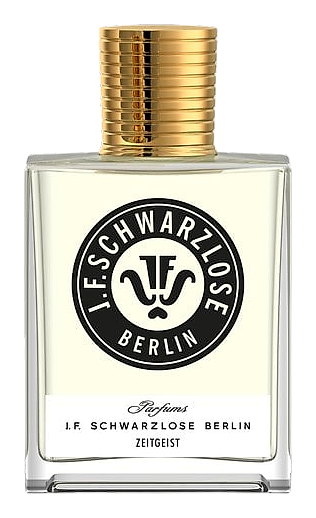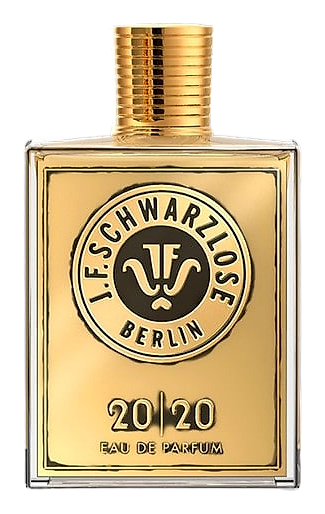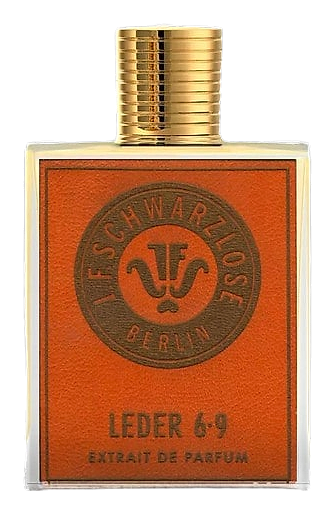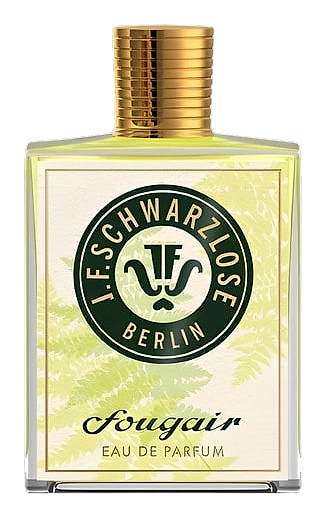

The Story
Why it exists.
The beginning
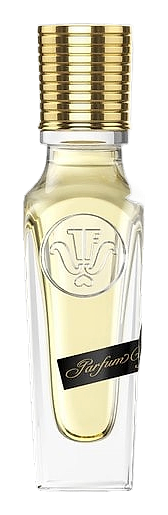
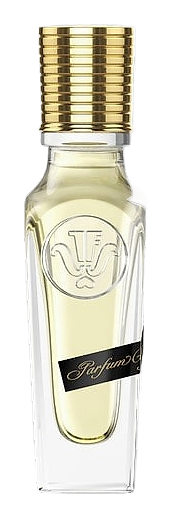
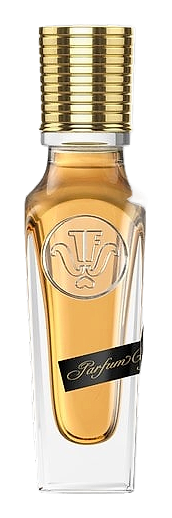
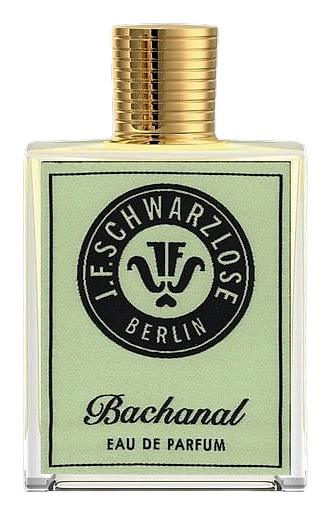
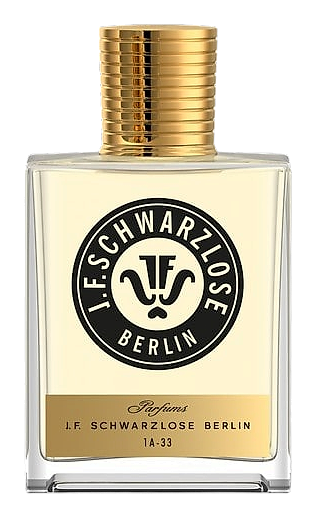
The name is the story. 1A-33 was the license plate number of pre-war Berlin, a call sign that united the city's fractured geography under one alphanumeric. In the 1950s, this fragrance was Schwarzlose's decade-long bestseller. By 2012, it was ready to return. Veronique Nyberg approached the re-interpretation not as restoration but as conversation, asking what the original formula would smell like if it had been born into a different Berlin, one that had survived its own reinvention.
The linden blossom is the tell. It's not a common note in Western perfumery, but in Berlin it's unavoidable, those trees line the streets of Mitte and Prenzlauer Berg, dropping their tiny flowers every spring until the sidewalks go gold. Pairing it with jasmine sambac and magnolia gives Nyberg the creamy floral depth she needs, while pink pepper and mandarin keep the top lifting. The combination is specific to this formula, not safe, not predictable, just right for what the brand was building.
The evolution
It opens clean. Mandarin and dew drop arrive together, dewy and bright, before pink pepper slips in to add a quiet kick. Within minutes the magnolia emerges, creamy, almost waxy, with the jasmine sambac pushing its sweetness forward. The citrus doesn't disappear so much as recede, becoming a background hum as the florals take over. The base is where 1A-33 earns its name. Iris brings that powdery, almost violet-like softness, while cedar keeps everything grounded in something dry and warm. It lasts four to six hours on most skin. The drydown is intimate, close enough to notice, far enough to let others lean in.
Cultural impact
1A-33 arrived in 2012 as a statement of continuity. The license plate reference was deliberate, a refusal to abandon the past even as the brand moved forward. Among niche florals, it occupies a specific position: refined without preciousness, floral without sweetness, modern without trend-chasing.
The House
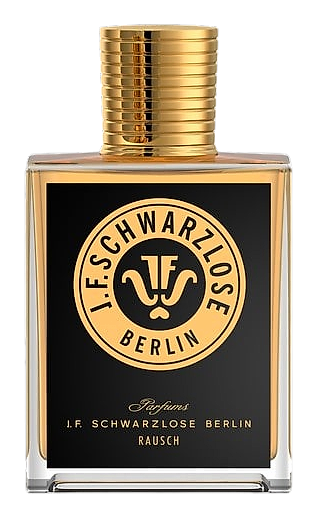
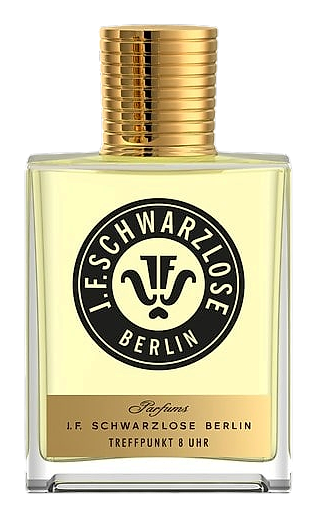
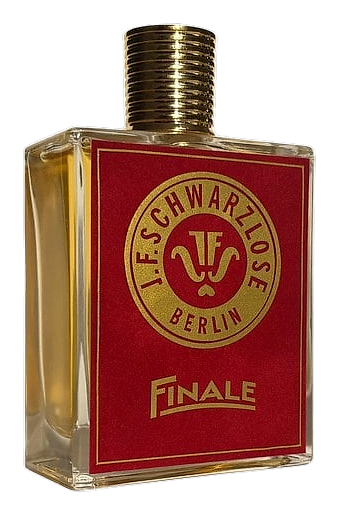
J.F. Schwarzlose BerlinJ.F. Schwarzlose Berlin traces its roots to a modest chemist’s shop opened in 1856 by Joachim‑Friedrich Schwarzlose, a piano maker who turned to pharmacy and colonial goods near Berlin’s Gendarmenmarkt. Over more than a century the house moved from serving local patrons to supplying the German imperial court, then endured two world wars before re‑emerging in the 2010s with a contemporary line of niche fragrances. Today the brand balances historic craft with a Berlin‑centric aesthetic, offering scents such as Parfum Captive #1 (2017), Leder 6·9 (2024) and Finale (2025) while keeping production small and ingredient‑focused.
The Creator
Veronique NybergNyberg works comfortably across citrus, gourmand, ambery, and woody territories. Her chemistry background gives her unusual confidence with unconventional combinations and the technical fluency to execute them.