Heliotropin
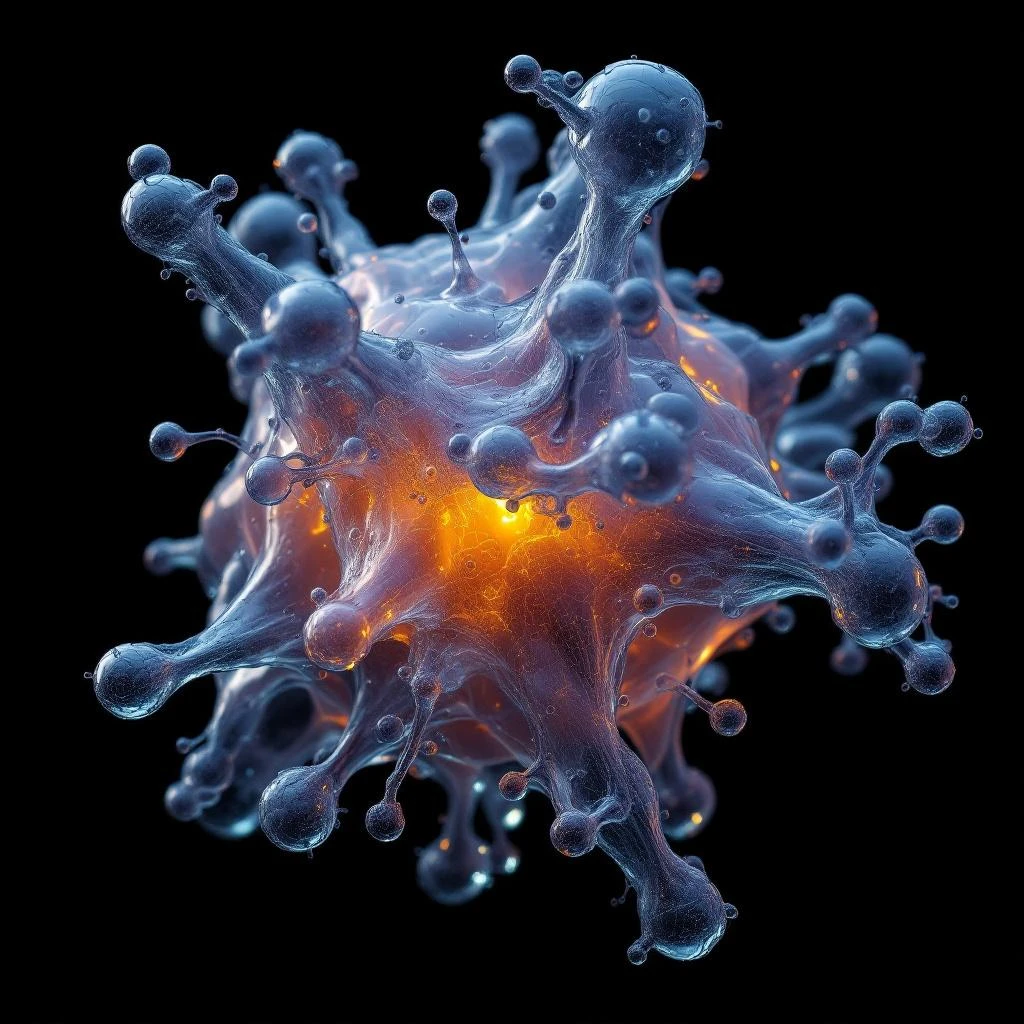
Heliotropin is the synthetic molecule that recreates the heliotrope flower's sweet, powdery scent. One of perfumery's original synthetics, it remains beloved despite strict usage limits.
Character
How it smells
Powdery, vanilla-kissed, impossibly soft
Heliotropin's name means "sun-turning" in Greek, referencing how heliotrope flowers follow the sun across the sky.









Origin
Germany
Heliotropin emerged in 1885 as one of the first synthetic fragrance materials, alongside vanillin and coumarin. While heliotrope flowers have been used since Ancient Egypt, the isolated molecule arrived much later. The late 19th century saw dramatic price shifts: heliotropin dropped from 3790 francs per kilogram in 1876 to just 37.
5 francs by 1899, making it widely accessible and revolutionizing fragrance accessibility. The name itself derives from the Greek for "sun-turning," honoring the flower that follows the sun across the sky. This compound shaped the "cosmetics" smell of early 20th century perfumery, particularly in Guerlain's legendary creations.
L'Heure Bleue (1912) remains the benchmark for powdery floral perfumery, using heliotropin's vanillic facets with anise and iris to create something that smells like the transition between day and night.
Wears it best
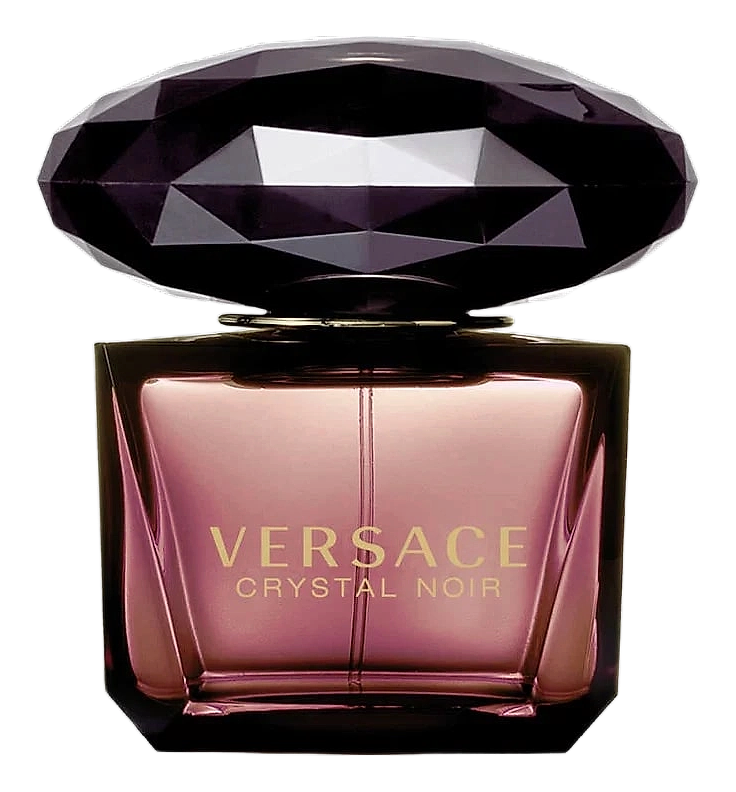
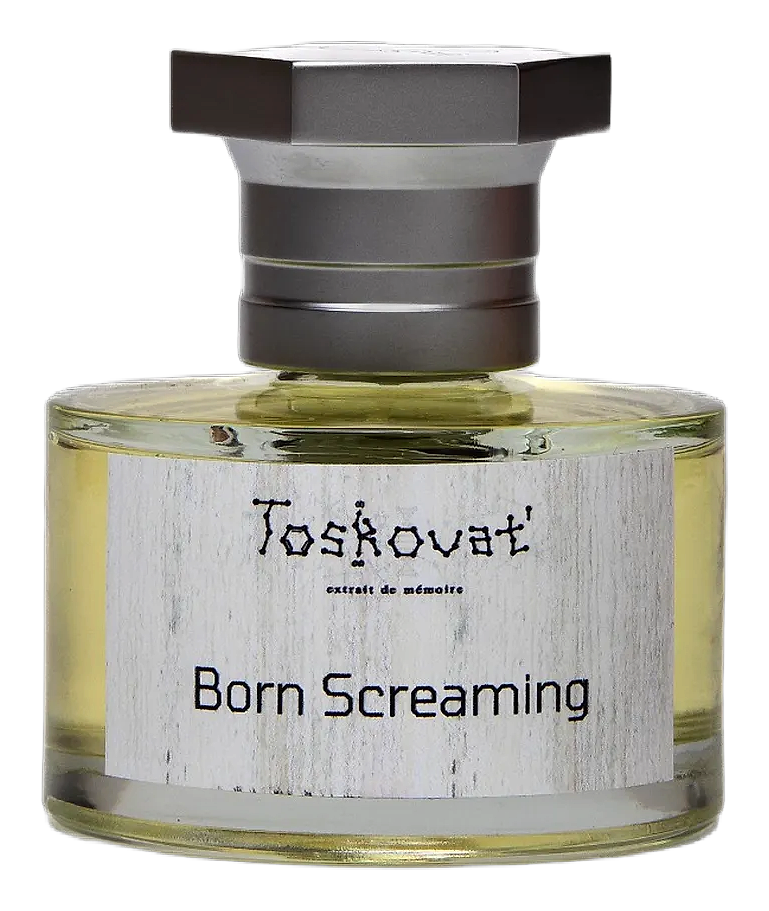
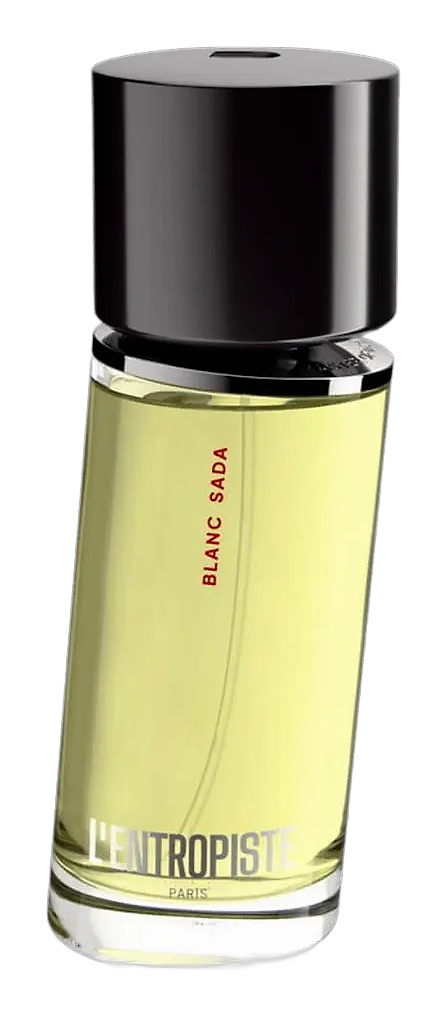
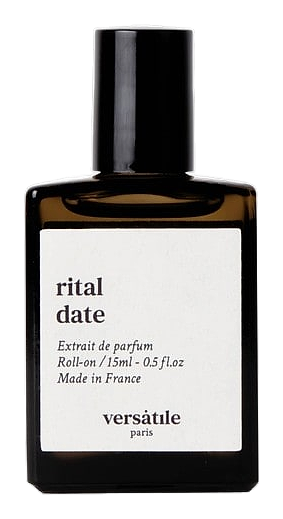
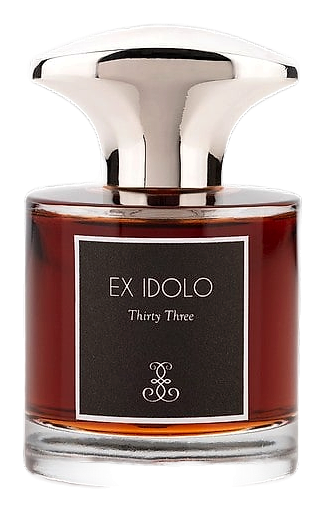
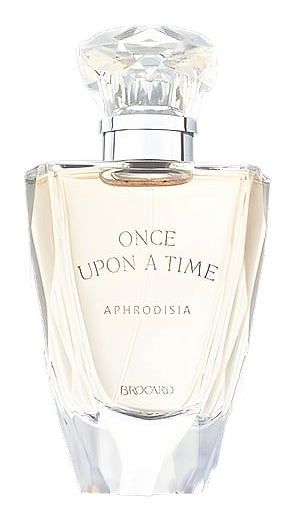
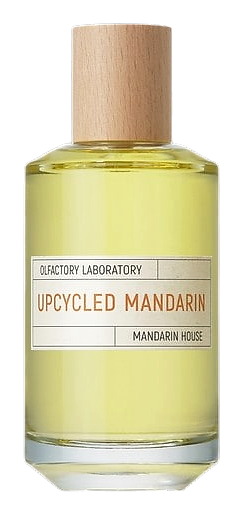
Fragrances featuring Heliotropin
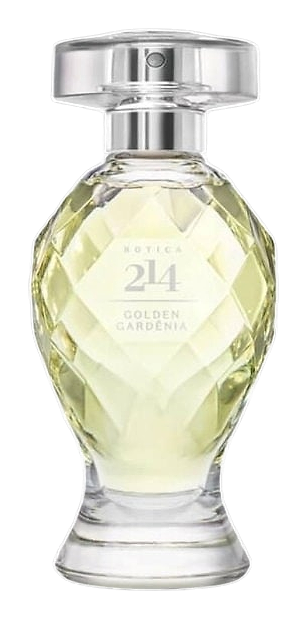
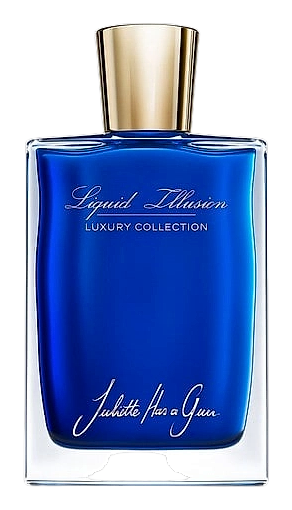
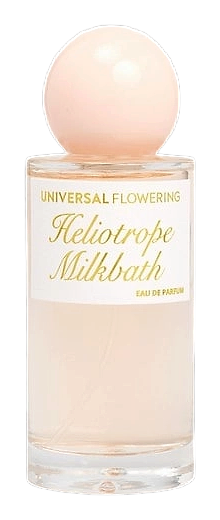
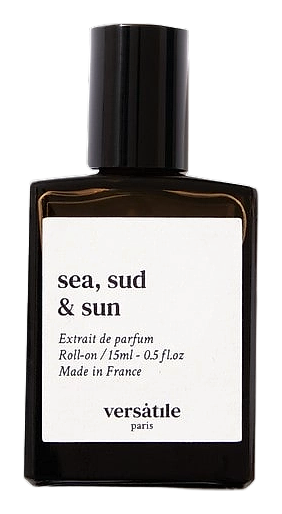
Brands
Brands known for Heliotropin
Good to know
Questions, answered
The essentials on Heliotropin in perfumery: how it smells, where it comes from, and how it behaves on skin.
What does heliotropin smell like?
Heliotropin smells sweet, powdery, and softly floral with distinct vanilla and almond facets. It also carries subtle nutty nuances with a warm, creamy character that lingers on skin.
Is heliotropin natural or synthetic?
Heliotropin is synthetic. The molecule replicates the heliotrope flower's scent, which is too volatile and complex for practical extraction from the plant.
What family does heliotropin belong to?
Heliotropin is classified as an aldehyde chemically, but it behaves differently from typical aldehydes in perfumery, functioning more as a base note that adds sweet, powdery depth.
When was heliotropin discovered?
Heliotropin was first discovered in 1885, making it one of the earliest synthetic fragrance materials alongside vanillin and coumarin.
Which classic fragrances showcase heliotropin?
Guerlain is the definitive house for heliotrope. Key examples include L'Heure Bleue (1912), which pairs heliotropin with anise and iris, and Après L'Ondée (1908), which combines it with violets.
Why did heliotropin become so widely used in perfumery?
Its price dropped dramatically from 3790 francs per kilogram in 1876 to just 37.5 francs by 1899, making it economically accessible and driving widespread adoption across the fragrance industry.
Are there restrictions on using heliotropin in perfumes?
IFRA limits heliotropin to a maximum of 8% in perfume concentrates. This regulatory ceiling makes reproducing traditional heliotrope-heavy fragrances like Après L'Ondée in extrait form difficult.
What happens when heliotropin is blended with vanilla?
Vanilla essential oil naturally contains trace amounts of heliotropin, so these two ingredients blend seamlessly. Heliotropin also pairs well with almond, anise, and warm spice notes.


