    Brand Profile

    Kajal Perfumes Paris is a niche fragrance house that blends Middle Eastern scent heritage with European refinement. Founded in Paris, the br…More

    France·Est. 2012·Site

    2

    Fragrances

    4.3

    Rating

    27
    Kajal Joorie by Kajal
    Best Seller
    4.3

    Kajal Joorie

    Jihan by Kajal
    4.2

    Jihan

    Kajal III by Kajal
    Best Seller
    4.5

    Kajal III

    Äican by Kajal
    Best Seller
    4.3

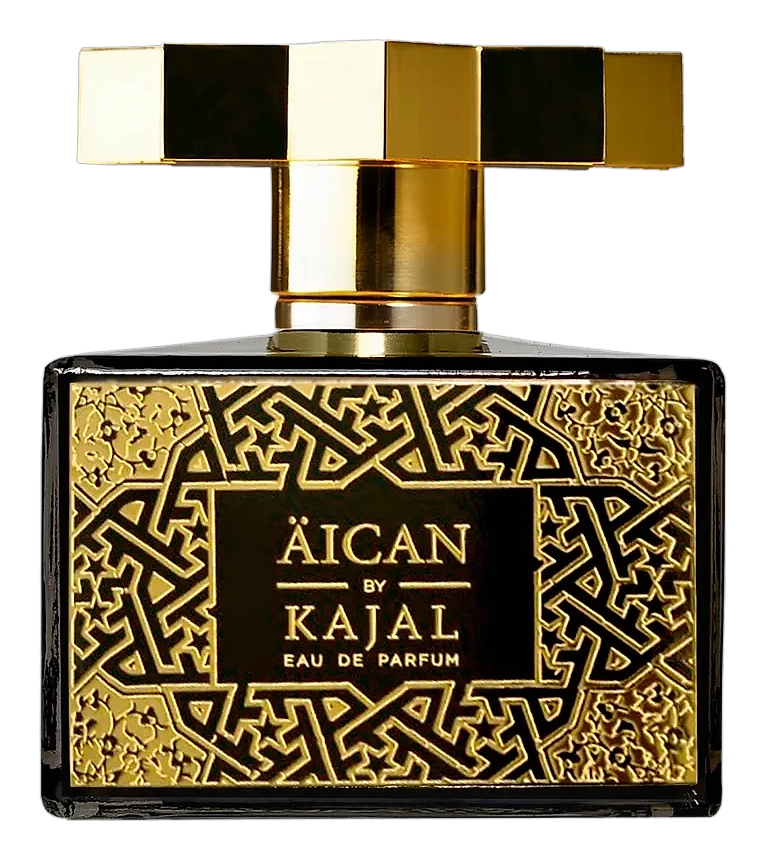
    Äican

    Sareef by Kajal
    4.3

    Sareef

    Kajal IV by Kajal
    4.2

    Kajal IV

    Joorie by Kajal
    4.2

    Joorie

    Sawlaj by Kajal
    4.2

    Sawlaj

    Kolada by Kajal
    New
    4.1

    Kolada

    Lamar Caviar by Kajal
    4.1

    Lamar Caviar

    Almaz by Kajal
    4.1

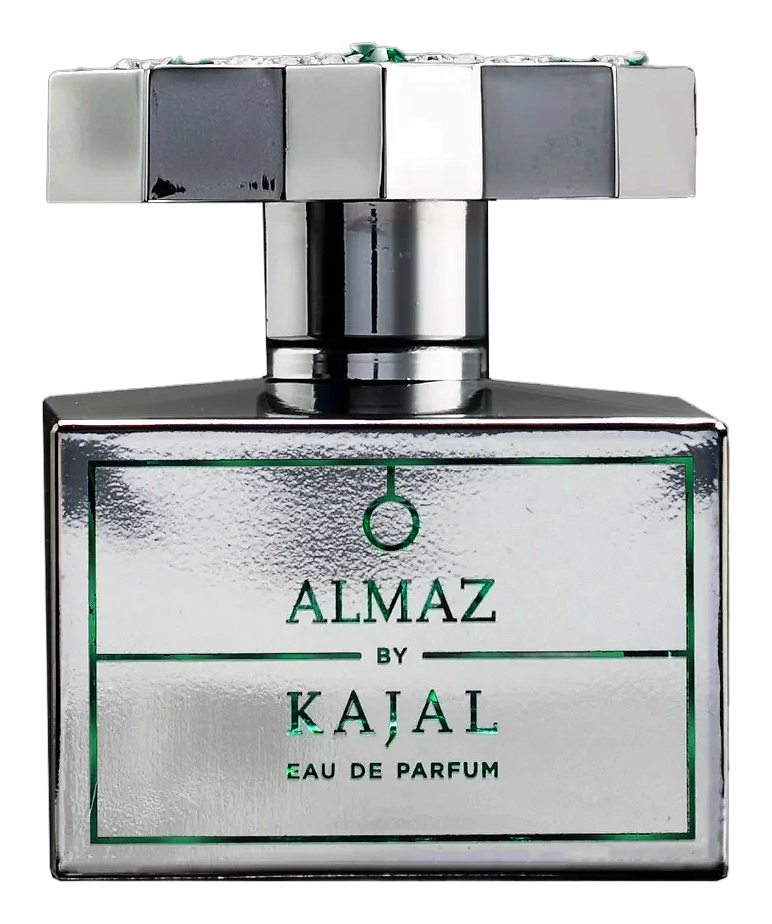
    Almaz

    Faris by Kajal
    4.1

    Faris

    1 of 3

    The Heritage

    The Story of Kajal

    Kajal Perfumes Paris is a niche fragrance house that blends Middle Eastern scent heritage with European refinement. Founded in Paris, the brand offers a curated library of Eau de Parfums that emphasize depth, narrative, and material authenticity. Its releases, from the early Kajal Eau de Parfum to recent offerings such as Kajal III (2023) and Äican (2024), showcase a commitment to craft that appeals to collectors who value both cultural resonance and olfactory precision.

    Heritage

    Moe Khalaf and Ibrahim Faris launched Kajal Perfumes in 2012 after years of exposure to perfume rituals in their family home. Khalaf, who grew up in a household where scent marked daily moments, took on the role of creative director while Faris managed business development. The duo chose the name Kajal to evoke the intimate, dark eye liner used across the Middle East, a symbol of personal connection. Their first fragrance, Kajal Eau de Parfum, was created with perfumer Christian Carbonnel and debuted the same year, establishing a foothold in the Parisian niche market. Over the next decade the house expanded its catalogue, releasing scents such as Sareef (2017) and Jihan (2018) that drew on regional ingredients like oud, amber, and spice. In 2022 the brand introduced Almaz, a composition that highlighted rare Turkish rose and saffron. The following year saw the launch of Kajal III and Kajal IV, both part of a series that explores evolving facets of the brand’s olfactory identity. 2024 brought Äican, a fragrance that pairs citrus top notes with a heart of incense, reflecting Kajal’s ongoing dialogue between East and West. Throughout its history, Kajal has maintained a modest production scale, preferring small batches and direct distribution through its Paris boutique and select international partners. The house’s evolution mirrors a steady accumulation of scent concepts, many of which remain in a private library awaiting future release.

    Craftsmanship

    Every Kajal fragrance begins with a detailed brief that outlines a story, a place, or a memory. The brief is handed to a perfumer—often a veteran such as Patrick Mueller or Kevin Mathys—who translates it into a raw formula using a palette of natural extracts, absolutes, and select synthetics. Once a formula is approved, the blend moves to a French laboratory where it undergoes a maceration period that can last from several weeks to months, allowing the ingredients to harmonize fully. The house sources oud from the forests of Laos, ambergris from sustainable marine programs, and rose oil from Turkish farms that practice organic cultivation. Quality control includes gas chromatography analysis to verify purity and consistency across batches. Production runs are limited, typically ranging from 300 to 1,000 bottles per release, which helps preserve the integrity of each scent and reduces waste. Packaging is assembled by hand in Paris; artisans cut, polish, and label each bottle, ensuring that the final product meets the brand’s tactile standards. The brand also maintains a private archive of over 200 scent concepts, many of which are revisited and refined for future launches, illustrating a long‑term commitment to iterative craftsmanship.

    Design Language

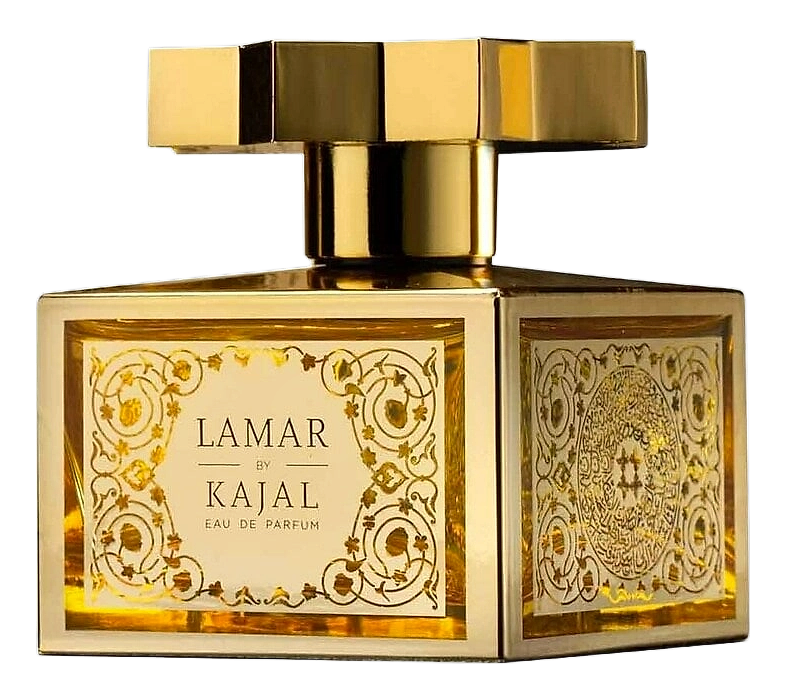
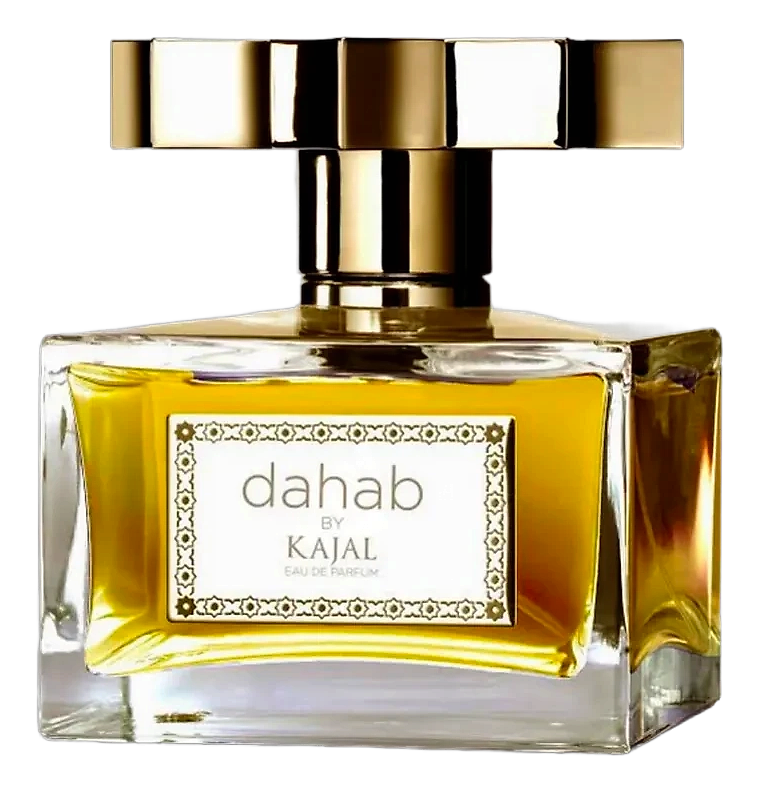
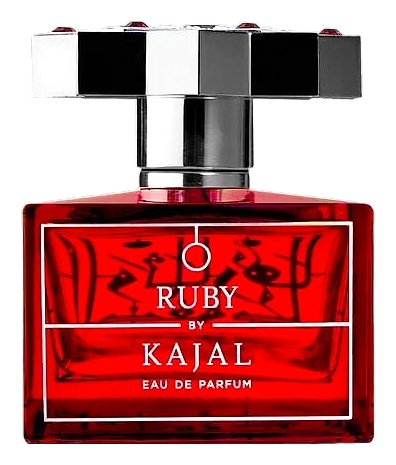
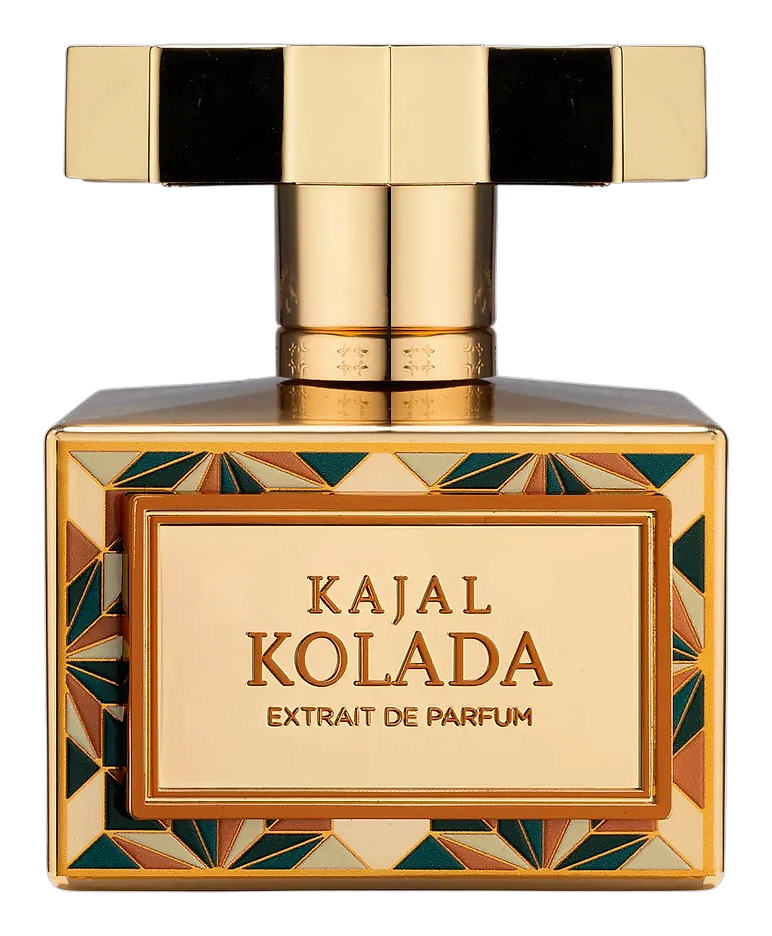
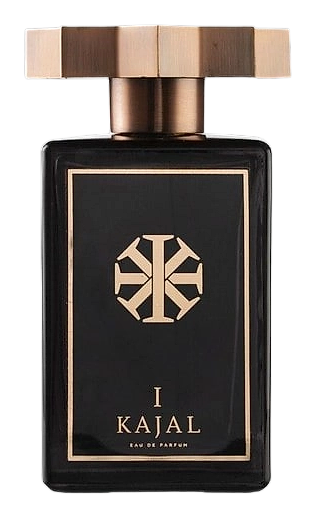
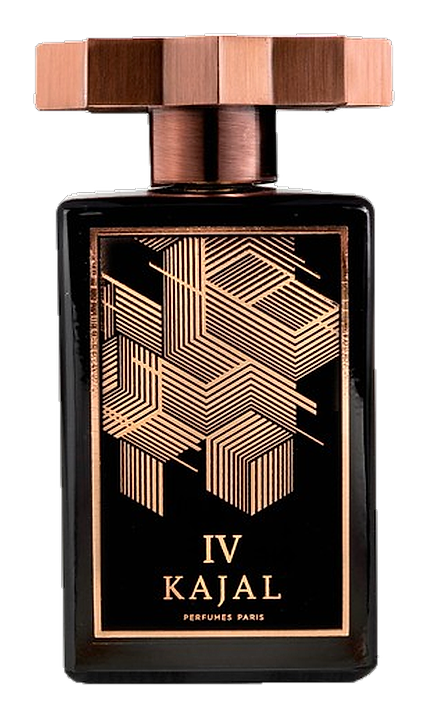
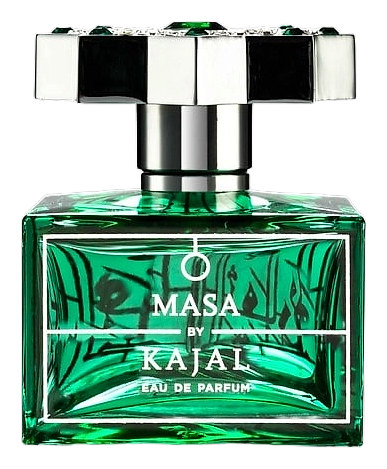
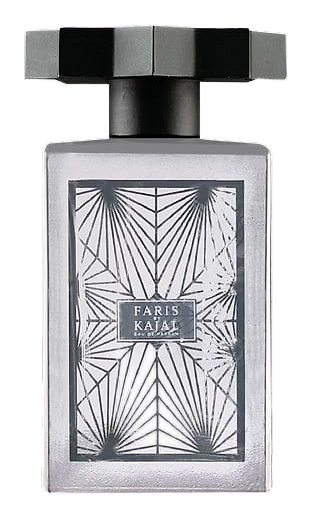
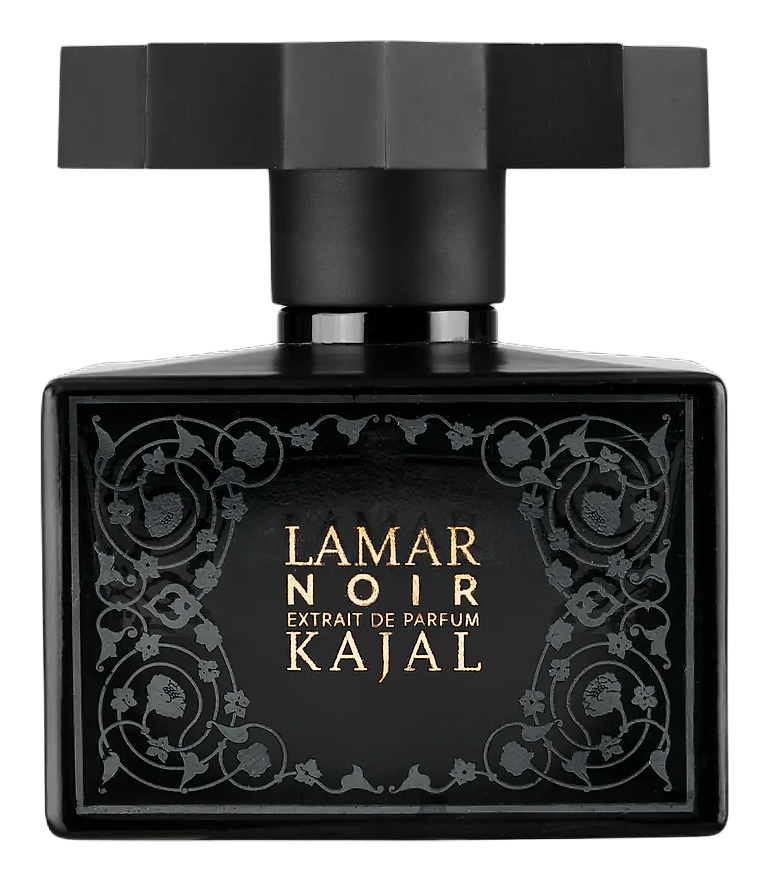
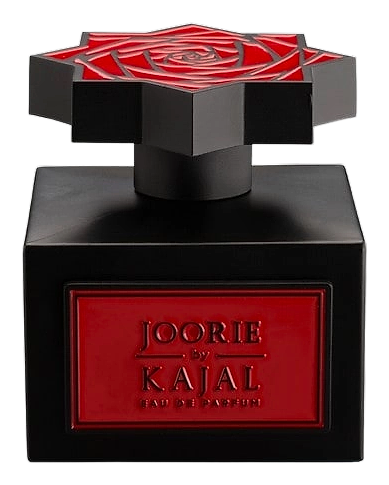
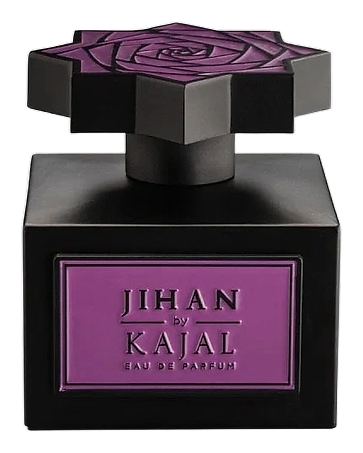
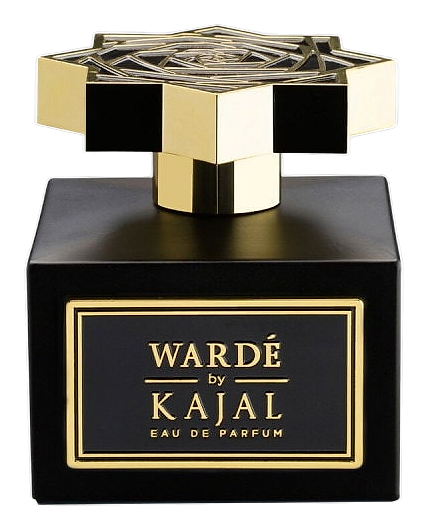
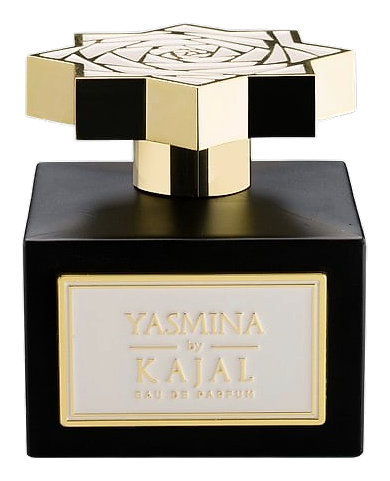
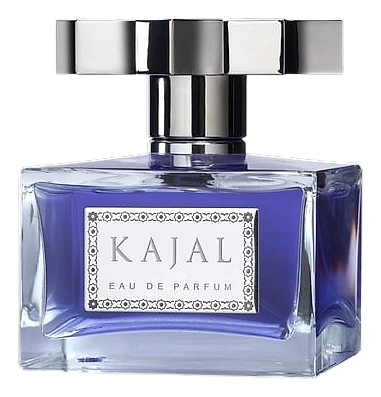
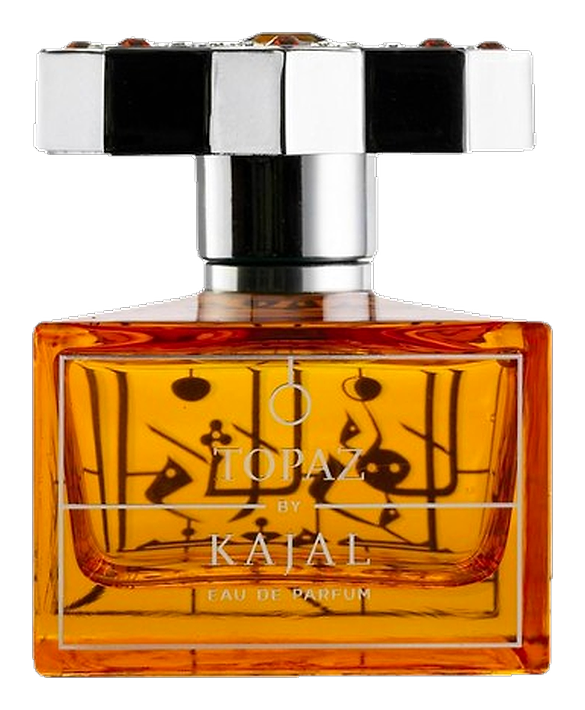
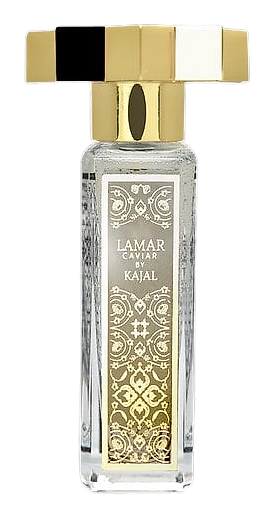
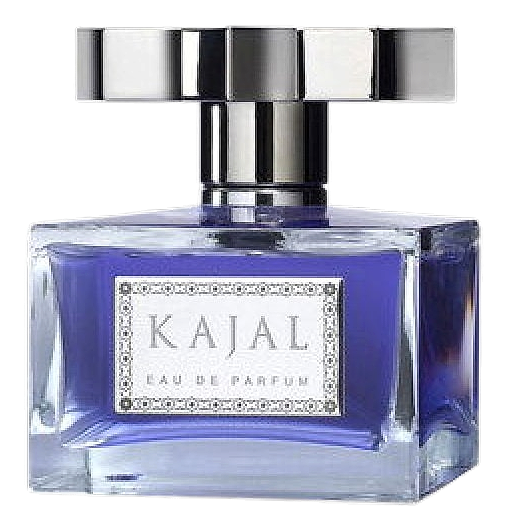
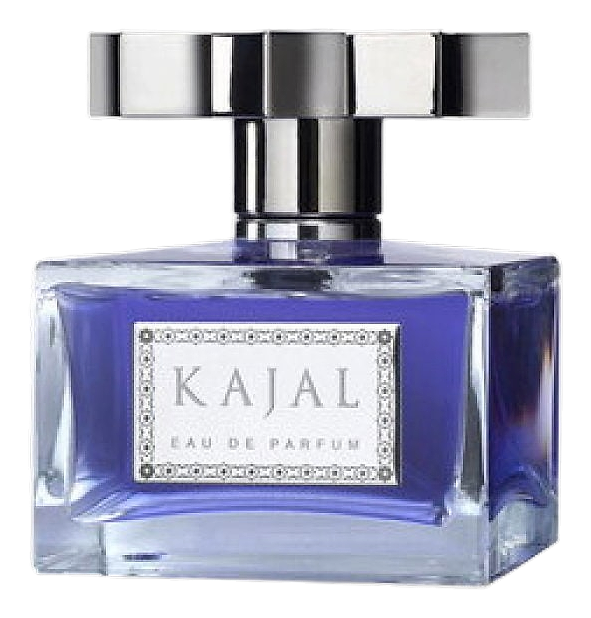
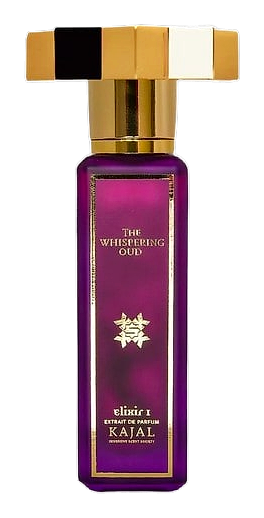
    Kajal’s visual language mirrors its olfactory goals, favoring sleek, dark glass vessels that convey depth and mystery. Bottles often feature a matte black or deep amber finish, accented with thin gold or brass caps that hint at the brand’s Middle Eastern roots. The label design uses a clean sans‑serif typeface paired with subtle Arabic calligraphy, creating a bridge between cultures without overwhelming the eye. Limited‑edition releases may include a brushed metal collar or a silk‑lined box, adding a tactile dimension that complements the scent narrative. The brand’s storefront in Paris presents a minimalist interior: white walls, soft ambient lighting, and discreet wooden shelves that let the bottles speak for themselves. Marketing imagery typically shows the fragrance in a setting that evokes the story behind it—such as a desert sunset or a historic bazaar—while maintaining a restrained, editorial tone. This aesthetic consistency reinforces Kajal’s identity as a house that values quiet elegance over flash.

    Philosophy

    Kajal approaches perfumery as a form of storytelling rooted in personal memory. The founders describe their work as an effort to translate the aromas of childhood homes, market bazaars, and desert evenings into bottled experiences. Rather than chasing fleeting trends, the brand selects ingredients that hold cultural significance, such as frankincense from Oman or Turkish rose from Isparta. Creative decisions are guided by a belief that scent can bridge geography and time, allowing wearers to access moments that are otherwise out of reach. Kajal’s creative process involves close collaboration with perfumers, who receive briefings that emphasize narrative over technical brief. The house also prioritizes transparency; it discloses key raw materials and their origins on its website, inviting consumers to understand the provenance of each note. Sustainability informs the brand’s values, with a preference for responsibly harvested botanicals and a reduction of synthetic additives when natural alternatives are available. This philosophy manifests in a library that balances bold, opulent compositions with restrained, minimalist pieces, offering a spectrum that reflects the founders’ dual heritage.

    Key Milestones

    2012

    Founders Moe Khalaf and Ibrahim Faris launch Kajal Perfumes in Paris; first fragrance Kajal Eau de Parfum created with perfumer Christian Carbonnel.

    2017

    Release of Sareef and Sawlaj, two scents that explore oud and spice accords, marking the brand’s expansion into richer Middle Eastern palettes.

    2018

    Jihan and Joorie debut, showcasing a shift toward lighter, floral‑spicy compositions while retaining depth.

    2022

    Almaz launches, featuring Turkish rose and saffron; receives coverage in niche fragrance publications.

    2023

    Kajal III, Kajal IV, and Lamar Caviar are released, each highlighting a different facet of the house’s evolving narrative.

    2024

    Äican arrives, pairing citrus top notes with incense heart, reinforcing the brand’s East‑West dialogue.

    At a Glance

    Brand profile snapshot

    Origin

    France

    Founded

    2012

    Heritage

    14

    Years active

    Collection

    2

    Fragrances released

    Avg Rating

    4.3

    Community sentiment

    Release Rhythm

    2026
    1
    2025
    3
    2024
    2
    2023
    4
    2022
    2
    2021
    1
    2020
    1
    2018
    4
    kajalperfumes.com

    Did You Know?

    Interesting Facts

    Distinctive details and defining moments that shape the house personality.

    01

    The brand’s name references a traditional eye cosmetic, chosen to symbolize intimacy and personal connection.

    02

    Founder Moe Khalaf grew up in a household where perfume marked daily rituals, a memory that directly informs the house’s storytelling approach.

    03

    Kajal collaborates with perfumers who have also created for major houses, such as Christian Carbonnel, who contributed to the first Kajal fragrance.

    04

    The house maintains a private archive of more than 200 scent concepts, many of which remain unreleased and are revisited for future collections.

    05

    Kajal’s bottle design often incorporates subtle Arabic calligraphy, a visual cue that links the fragrance to its cultural origins.