
The Story
Why it exists.
The beginning
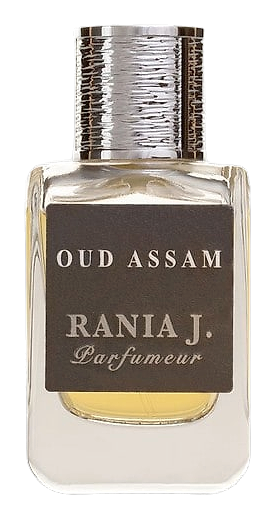
Rania Jouaneh grew up with spice markets in her blood, breathing the raw materials that would later become her medium. Oud Assam was one of her earliest statements, arriving in 2013 as a composition that didn't hedge. She wanted to make something real: oud as it actually smells, not oud softened into acceptability. The Assam reference points to the region's historical significance in the oud trade, where some of the world's most prized specimens have long been sourced.
What makes Oud Assam interesting is the structure. Most oud fragrances start soft and build toward complexity. This one inverts that. The opening is the challenge, bitter orange and bergamot arrive with a sharpness that borders on clinical. It's intentional. Jouaneh wants you to meet the oud head-on before anything sweetens the deal. The Indian oud at the heart isn't a background note here. It's the whole point.
The evolution
The opening hits first, bergamot and bitter orange arrive with a sharpness that can catch you off guard. There's an antiseptic quality here, the kind that either intrigues or alarms depending on your relationship with raw materials. As the top notes begin to settle, the oud asserts itself. Smoke rises through the citrus, followed by something leathery and faintly sweet. The frankincense isn't far behind. Soon the base notes take over. Cedarwood and vetiver ground everything in a dry, woody warmth. Musk and tonka bean linger softly, never overpowering, but present. The drydown on fabric reveals a faint trace of smoke and cedar that persists well into the next morning.
Cultural impact
Oud Assam has carved out a distinctive place in niche fragrance circles. The scent makes a strong first impression with its unapologetic use of raw oud, proving that the material doesn't need dilution to be wearable. Jouaneh's approach here stays true to her vision of creating compositions that honor ingredients in their most authentic form. The fragrance stands among bold, character-forward oud creations that have defined the modern niche landscape.
The House
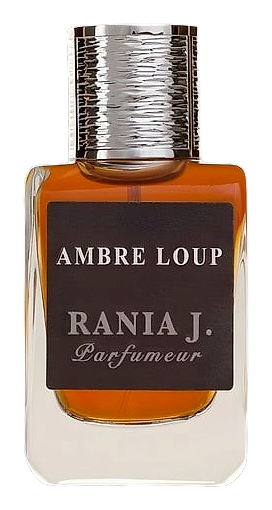
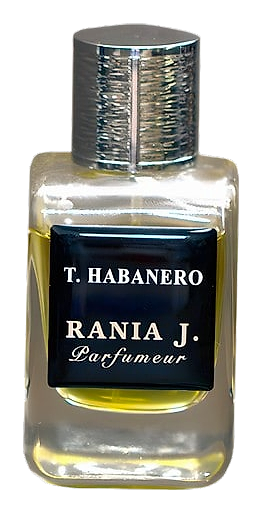
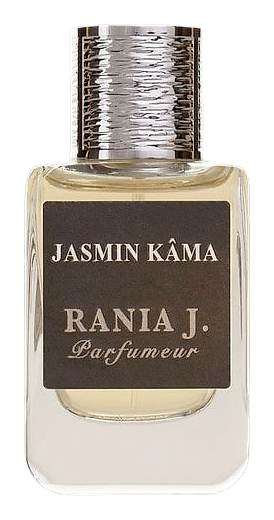
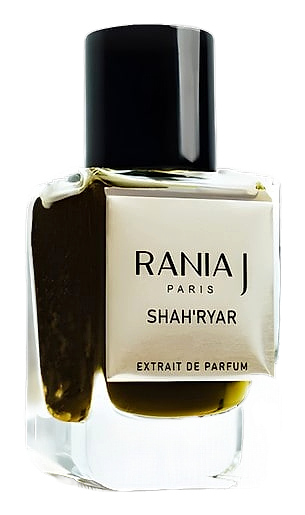
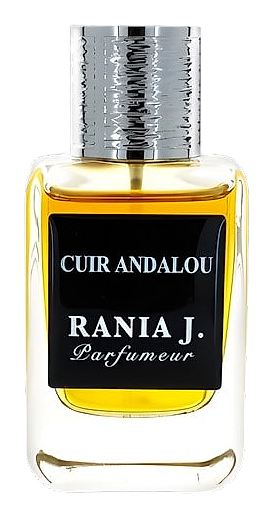
Rania JRania J is a Paris-based independent fragrance house founded in 2012 by Jordanian-born perfumer Rania Jouaneh. The brand occupies a distinctive space in niche perfumery, blending Middle Eastern olfactory traditions with French technical training. Jouaneh began creating perfumes after formal education in France, establishing the house as her primary creative vehicle. The collection spans diverse territories: warm orientals like Ambre Loup (2012), powdery musks such as Musc Moschus (2019), and Arabic-style constructions including Shah'ryar (2023). Others reference leathery Cuir Andalou (2016), spicy T. Habanero (2014), and jasmine-centric Jasmin Kama (2013). The brand operates without an in-house perfumer, with Jouaneh handling all composition herself. Rania J appeals to collectors seeking authentic, memory-driven scents rooted in personal heritage rather than market trends.
The Creator
Rania JouanehJouaneh draws from a rich palette of precious florals, warm musks, and aromatic spices, combining them with clear, architectural precision. Her style favors layering and depth, with a particular affinity for oriental notes and white florals anchored by French classical structure.