The Story
Why it exists.
The beginning
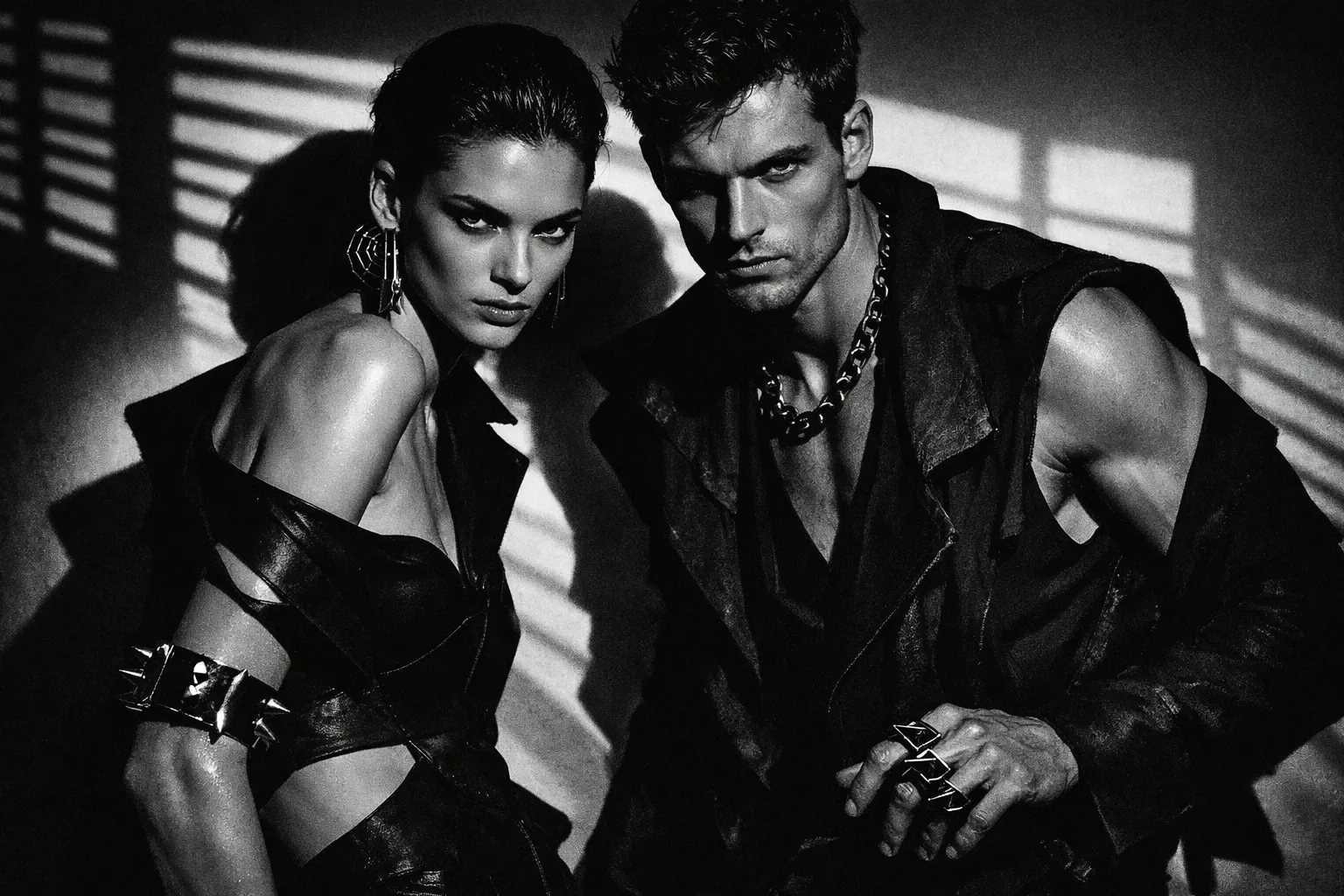
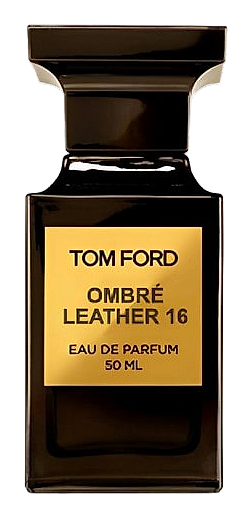
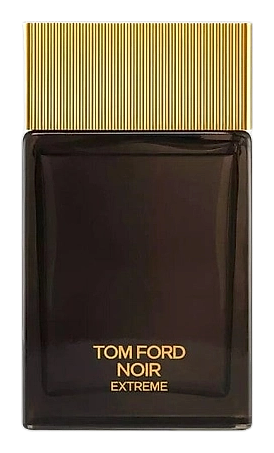
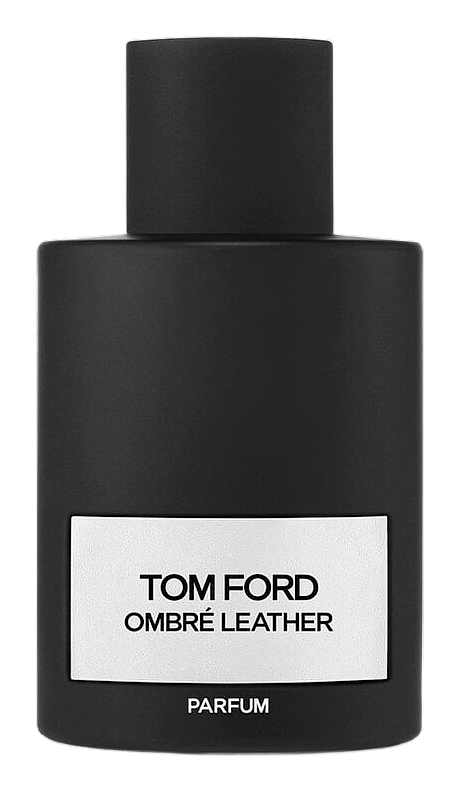
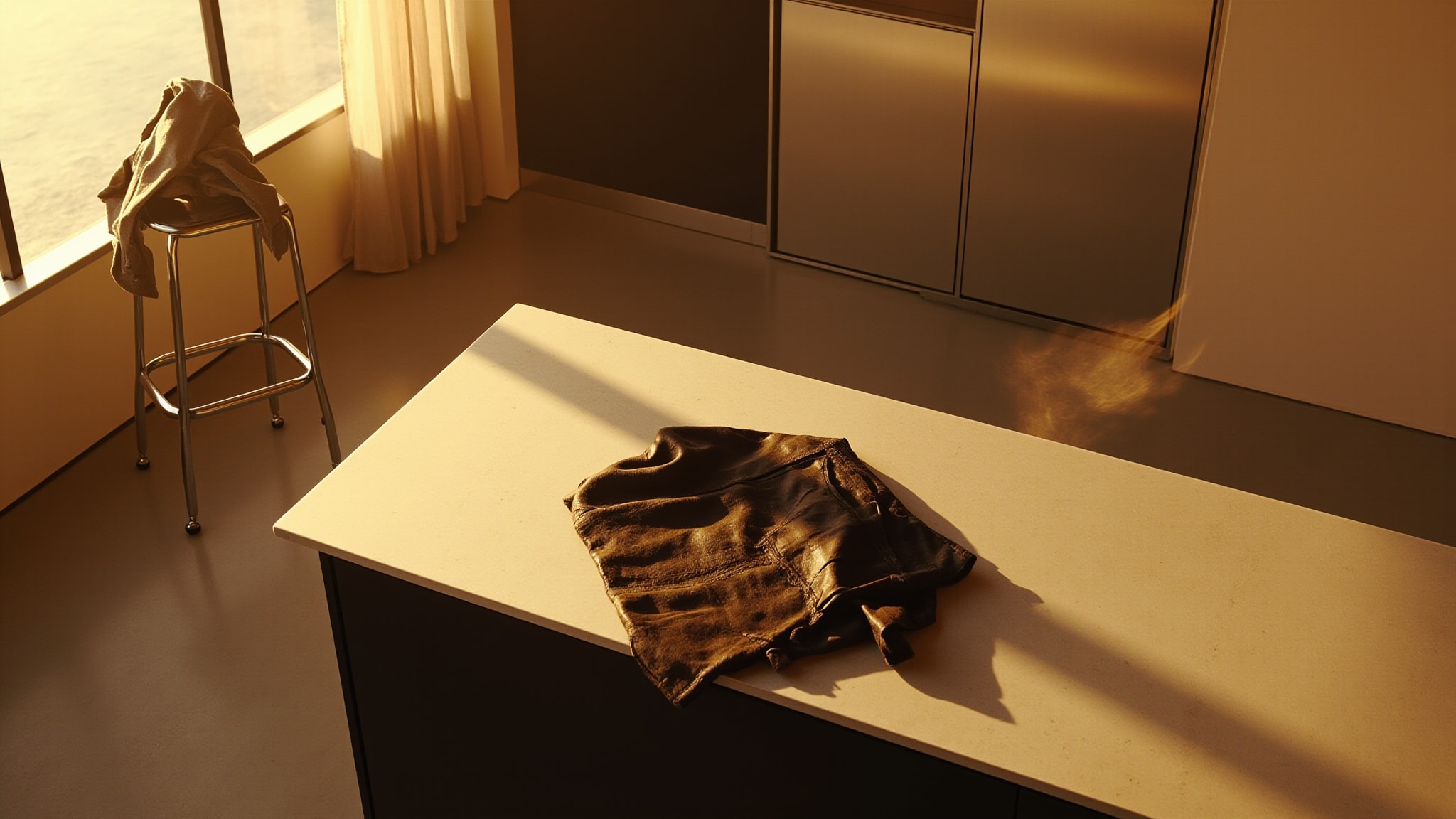
Ombré Leather takes its name and its spirit from the American west, the dusty light, the wide open space, the particular kind of freedom that comes from wide horizons. The name itself, ombré, suggests a gradient, a transition from one state to another. That's the fragrance's logic too: leather isn't a single note here, it's a journey from something sharp and wild to something that settles close and personal. The perfumer Sonia Constant built this as a statement piece within Tom Ford's confrontational-glamour lineup, not a quiet accessory, but a fragrance that announces itself and means it.
What makes Ombré Leather work is the tension between its elements. Cardamom is bright, almost medicinal in its opening, a sharp exhale that clears the air before the leather arrives. The black leather isn't the polished, mass-market kind. It's animalic, dense, textured. Jasmine sambac absolute adds a white floral warmth that could read sweet, but here it reads as wild, the smell of something growing in difficult terrain. Patchouli and amber anchor the base with earth and warmth. The result is a fragrance that smells like a specific kind of leather, in a specific kind of light, worn by a specific kind of person.
The evolution
The opening arrives fast, cardamom's clean heat hits first, spicy and almost sharp. Thirty minutes in, the leather takes over completely. Not soft leather. Dense, mineral leather with weight. The jasmine sambac is there too, threading through the leather like a warm undercurrent. By the third hour, the amber and patchouli arrive. The leather doesn't disappear, it deepens, settles into the skin. The moss adds an earthy green quality that keeps everything grounded. Eight to ten hours in, on most skin types, this is still present. The drydown is warm, slightly sweet, animalic in the best way, the smell of leather that has absorbed the wearer's own chemistry. Not clean. Not polite. The kind of scent that lingers on a jacket collar the next morning.
Cultural impact
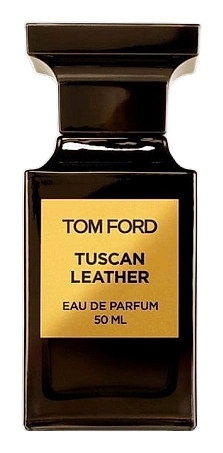
Ombré Leather has become a signature piece for those who want leather without apology. It's frequently compared to Tom Ford's own Tuscan Leather but with a softer, more approachable floral quality. The fragrance occupies a specific space in the leather-forward category, bold enough to announce presence, warm enough to wear close. Wearers describe it as the scent of someone who walks into a room and doesn't need to announce themselves.