The Story
Why it exists.
The beginning
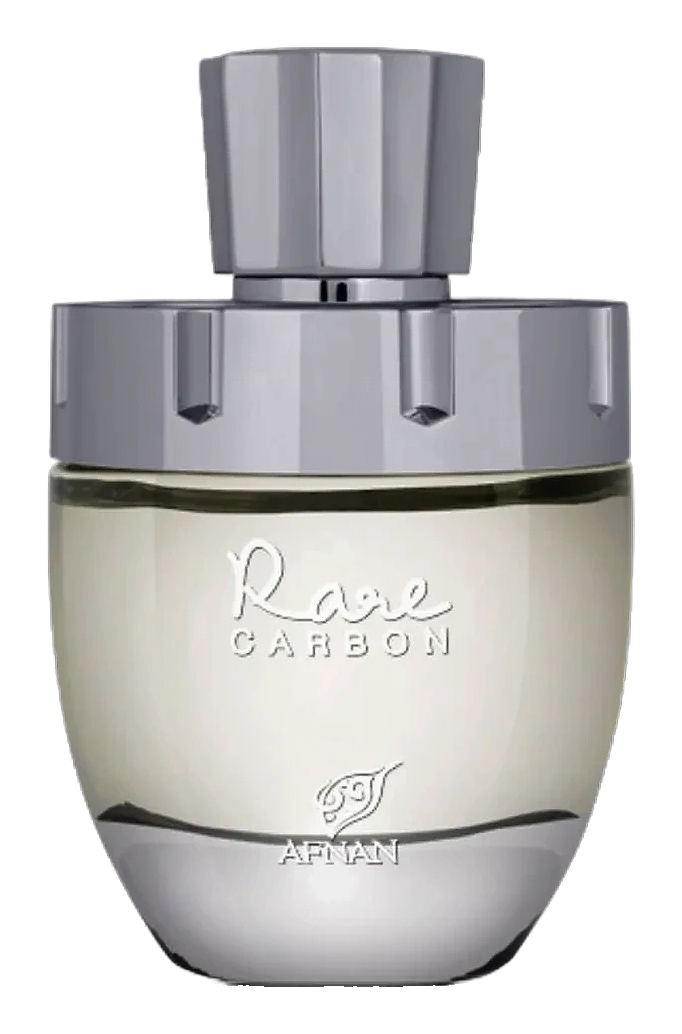
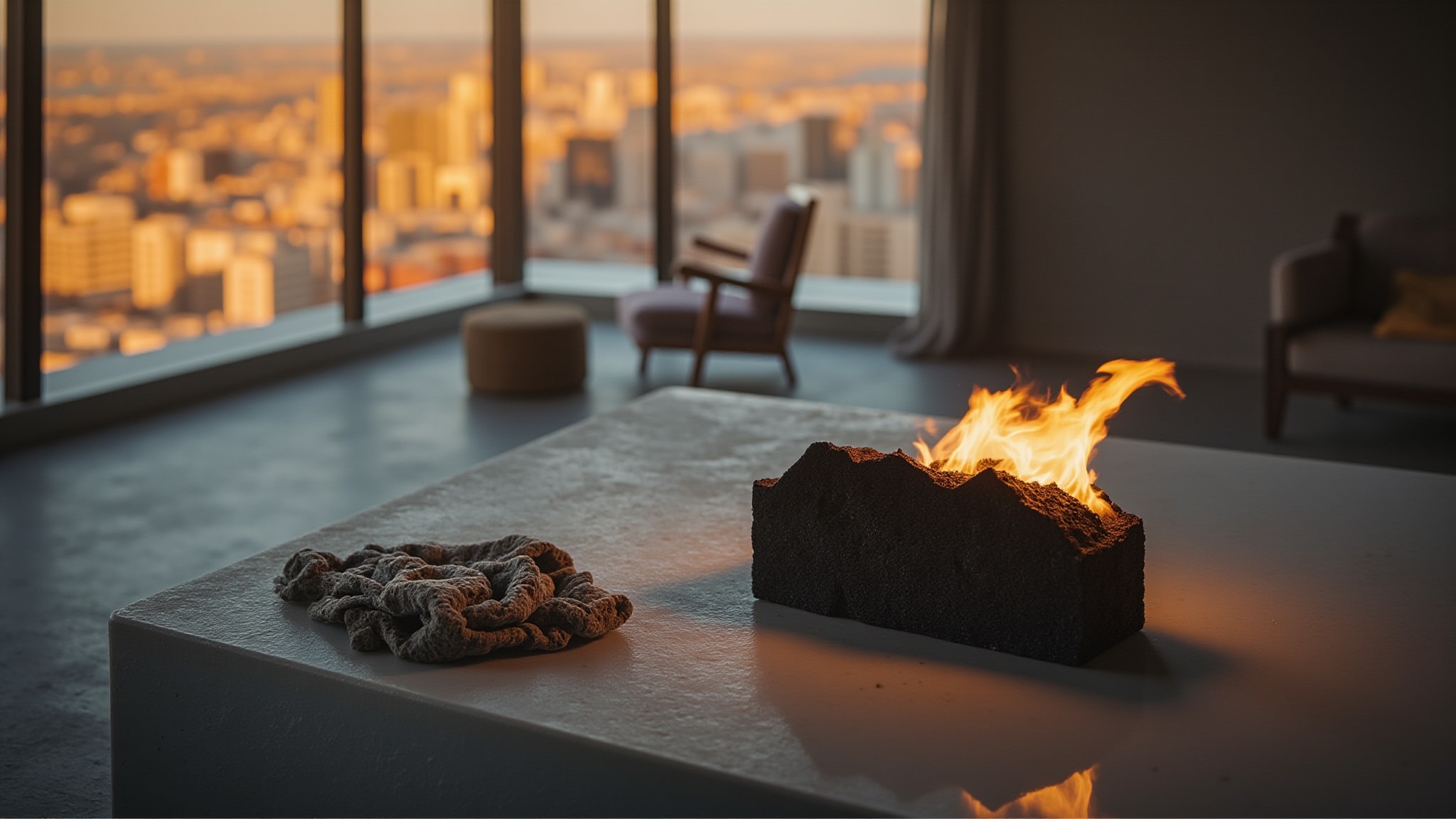
Rare Carbon takes its name from one of the most elemental materials on earth. Carbon is what remains after fire burns through everything unnecessary. It's pure. It's concentrated. It's what the ancients would have called the essence of burning. Afnan built this fragrance around that idea, taking leather, oud, and spice and stripping away everything soft, everything safe, leaving only what remains when you hold something to the flame.
The combination of leather and oud is unusual. Leather fragrances tend to go one of two directions: polished and refined, or raw and smoky. Rare Carbon lands somewhere in between. The leather reads warm and worn. The oud reads dark and resinous. Between them, the violet and rose add a quiet softness that prevents the whole thing from becoming one-note darkness. The spice, nutmeg, cinnamon, keeps it interesting without ever becoming sweet. It's the kind of combination that shouldn't work but does.
The evolution
The opening hits with leather and spice, nutmeg and cinnamon bark leading the charge, violet leaf cutting through with a green snap. Then the oud arrives. Everything shifts. The leather becomes warmer, the spice dulls to a background hum, and the violet and rose bloom underneath like something that was always there, waiting. By the drydown, you're left with smoky vetiver and sandalwood that clings to skin for hours. You'll find traces on your collar the next morning. That's the carbon. That's what remains.
Cultural impact
Rare Carbon has found its audience among men who want something that smells expensive without smelling obvious. It's the fragrance you wear when you want to be remembered, not when you want to be announced. The oud keeps it grounded, the leather keeps it interesting, and the violet keeps it from going fully dark. It's a fragrance for the kind of man who knows what he likes and doesn't need anyone else to agree.