The Story
Why it exists.
The beginning
Hind arrives as a fragrance that carries a Muslim name meaning brave and courageous, yet its olfactory reference is India. Not the oud-heavy tradition of Southeast Asia, but the classical Indian art of rose and sandalwood attars: pure, concentrated, and historically revered. Indian rose oil and sandalwood paste form the heart of this composition, interpreted through a contemporary lens. The rose arrives with creamy, decadent warmth, honeyed and rich, while the sandalwood provides a dusty, almost spiritual depth that settles into the skin like a warm memory. The result is a fragrance that names its reference without copying it, inviting the wearer into a dialogue between traditions.
What makes Hind's structure interesting is the way it layers two weighty traditions that rarely coexist in Western fragrance. Taif rose, grown in the mountains west of Mecca, prized for its depth and almost jammy sweetness, meets sandalwood, specifically the powdered incense form called zukoh in Indian perfumery. Between them, Glycyrrhiza glabra acts as a connector: it is sweet, bitter, and medicinal all at once, keeping the rose from cloying and the sandalwood from flattening. Amber adds resinous warmth without heaviness.
The evolution
The opening hits with spice and sugar first, a brief, bright flash before the Taif rose announces itself fully. This is no shy, polite rose. It arrives as cream and decaying fruit, generous in its richness before righting itself toward greenery and spice. Glycyrrhiza glabra becomes apparent as the heart develops, threading through like a bass note you feel before you identify it. By the mid-drydown, sandalwood takes over, not sharp, but powdered, the texture of incense ash rather than fresh wood. On skin, the final phase reads as warm, powdery intimacy, clinging to fabric and revealing itself again as amber and soft woods that linger long after application.
Cultural impact
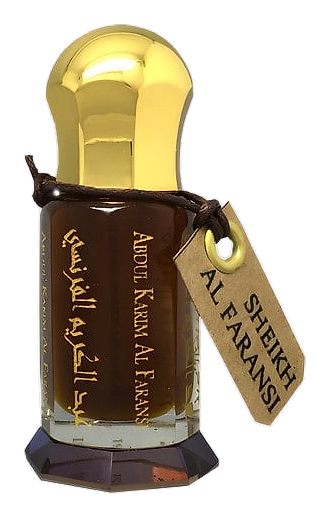
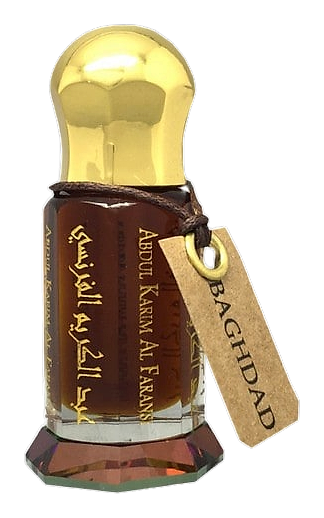
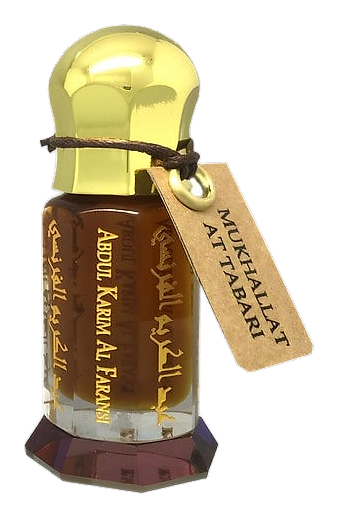
Hind arrives from Abdul Karim Al Faransi, a niche fragrance house founded by perfumer Anthony Marmin. The name itself is a Muslim name meaning brave and courageous, carrying weight beyond its olfactory reference. Hind references classical Indian attar traditions, anchoring its composition to India's rose-sandalwood heritage while carving out its own distinct character. The rose-sandalwood combination is rendered with a creamy richness, honeyed rose petals softened by dusty, spiritual sandalwood that settles into the skin like a warm memory.