The Heritage
The Story of Abdul Karim Al Faransi
Abdul Karim Al Faransi is a niche perfume house that blends traditional Arabian ingredients with contemporary olfactory structures. Since its launch in 2013, the brand has offered oil‑based and eau de parfum formats that highlight oud, musk, and rare botanicals. Signature releases such as Musc Blanc (2017) and Caribbean Musk (2014) illustrate the house’s commitment to aromatic depth and regional authenticity, while newer offerings like Mombasa (2018) expand the geographic narrative. The line appeals to collectors who value precise composition over mass‑market trends.
Heritage
Anthony Marmin, a French perfumer trained in both Western and Middle‑Eastern scent traditions, founded the house in 2013 alongside his partner Farhiya Bashir Hussein. Their partnership combined Marmin’s technical expertise with Hussein’s knowledge of Arabian raw materials, creating a platform that quickly attracted regional connoisseurs. The first launch, a series of pure perfume oils, emphasized un‑diluted oud and musk sourced from Saudi and East African farms. In 2014 the house introduced Caribbean Musk, a fragrance that paired Caribbean ambergris‑like accords with traditional Arabian musk, marking its first foray into cross‑cultural blends. 2016 saw the release of Al Quds, a composition that referenced the historic city of Jerusalem through a mix of frankincense, sandalwood, and rose, reinforcing the brand’s narrative focus on place. 2017 proved prolific: Musc Blanc, Islamabad, Juzur Al Karibi, and Oud Maluku each arrived, expanding the portfolio and demonstrating the house’s capacity to launch multiple distinct scents in a single year. 2018 brought Mombasa and the limited‑edition FBI: Fabulous Blend from India, reflecting a strategic pivot toward South Asian influences. That same year, the brand announced a rebranding effort on Instagram, signaling a transition to the name Maison Anthony Marmin while retaining the original product line. By 2020 the house had secured distribution in boutique perfumeries across Europe and the Gulf, confirming its status as a cross‑regional niche label. Throughout its evolution, the house has maintained a focus on high‑purity ingredients, small‑batch production, and a storytelling approach that ties each fragrance to a specific locale or cultural memory.
Craftsmanship
Production begins in a small laboratory where Marmin evaluates raw materials before blending. The house sources oud from the forests of Assam and the Hajar Mountains, selecting only wood that meets a minimum oil yield of 30 percent. Musk is derived from both natural sources in the Arabian Peninsula and synthetic analogues that meet the same olfactory profile, allowing the brand to maintain consistency across batches. Each fragrance undergoes a three‑stage maturation: an initial maceration of raw ingredients in a carrier oil, a secondary aging in sealed glass vessels for 30 to 90 days, and a final filtration that removes particulate matter while preserving aromatic integrity. The house employs a hand‑filled bottling line, where technicians pour each bottle under controlled temperature and humidity to prevent oxidation. Quality control includes gas chromatography analysis of each batch to verify that key notes fall within defined concentration ranges. The brand also documents every supplier’s certification, ensuring that the supply chain adheres to both environmental standards and fair‑trade practices. Limited editions are produced in batches of fewer than 500 units, each accompanied by a handwritten certificate of authenticity that details the ingredient origins and the specific batch number.
Design Language
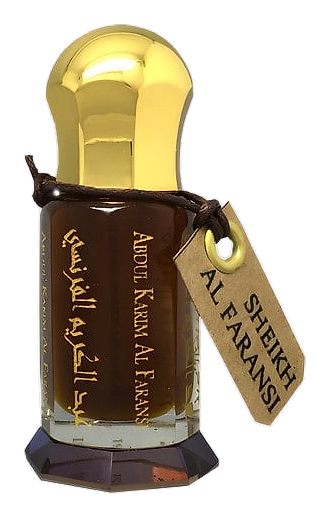
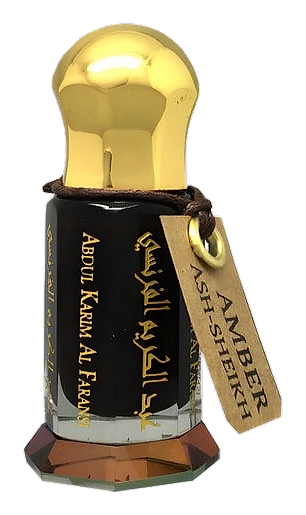
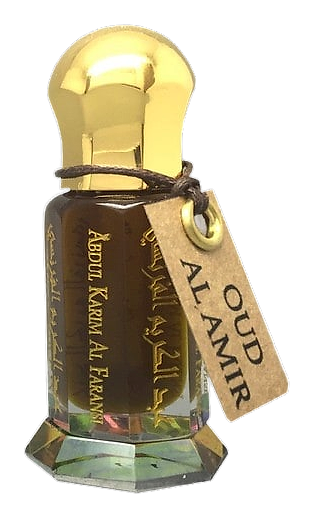
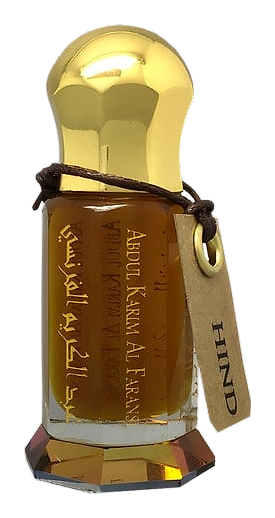
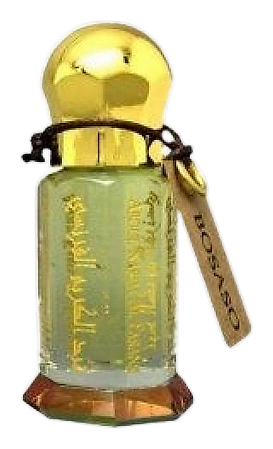
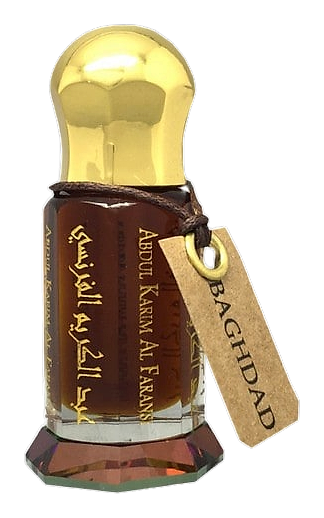
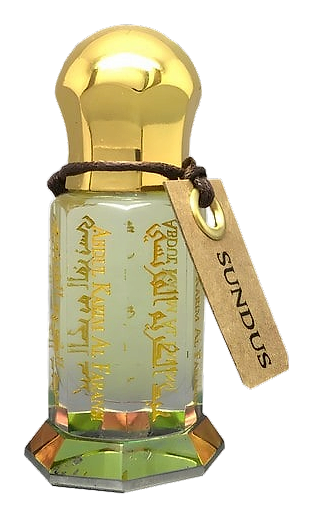
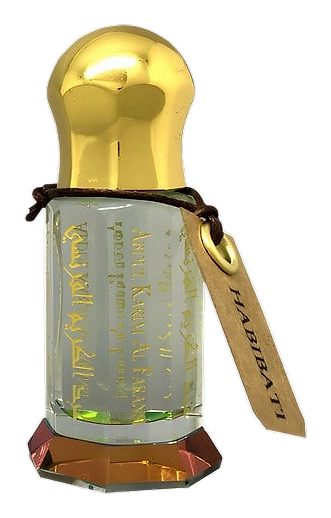
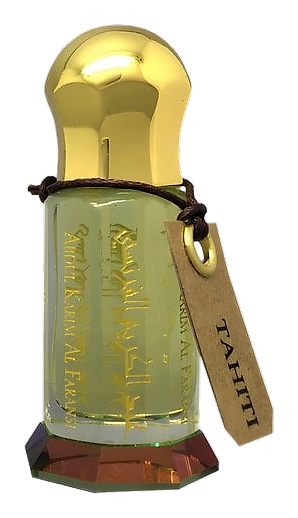
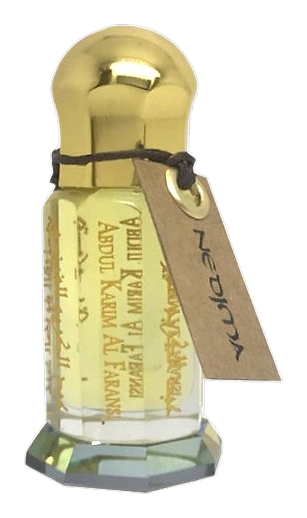
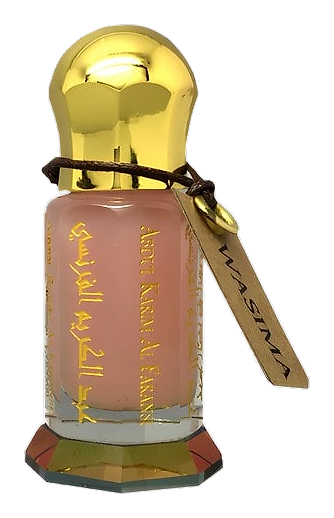
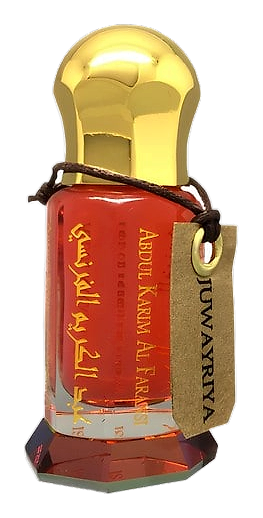
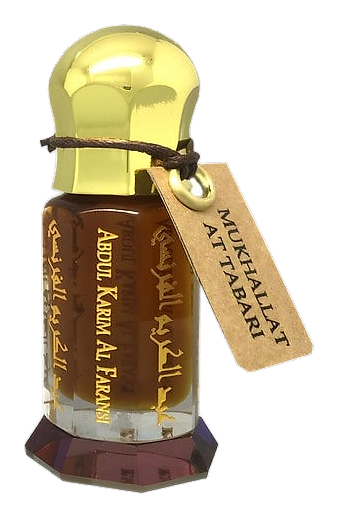
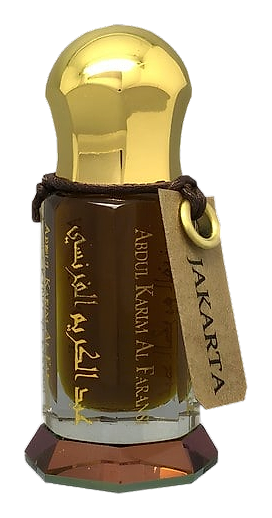
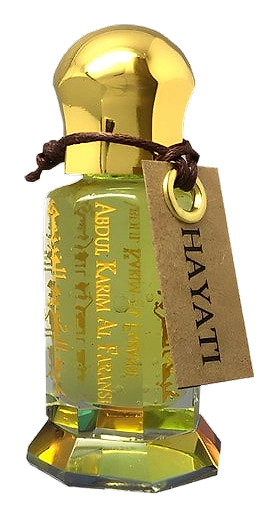
Visual identity draws from minimalist geometry and traditional Arabic calligraphy. Bottles feature a square base with rounded edges, echoing the shape of historic perfume containers while presenting a modern silhouette. The glass is clear, allowing the oil’s amber hue to become the focal point, and the caps are brushed brass, a nod to the metalwork common in Gulf marketplaces. Labels use a simple sans‑serif typeface paired with Arabic script that spells the fragrance name in a subtle emboss, creating a bilingual dialogue on the surface. The brand’s promotional photography often places the bottle against textured sand or aged stone, reinforcing the connection to place without relying on overt branding. In the 2018 rebranding announcement, the house introduced a new logo that integrates Marmin’s initials in a stylized monogram, maintaining continuity with the previous visual language while signaling a fresh chapter. Retail displays follow the same restrained aesthetic: dark wood shelves, soft spotlights, and minimal signage, allowing the scent itself to command attention.
Philosophy
The house approaches perfumery as a dialogue between heritage and invention. Marmin describes his method as starting with a geographic anchor – a city, a coastline, a historic trade route – then layering ingredients that the region historically prized. The brand values transparency in sourcing, preferring suppliers who can trace their oud, amber, and rose back to a single grove or farm. Sustainability informs the selection of raw materials; the house works with cooperatives that practice responsible harvesting, especially for agarwood and sandalwood. Creative decisions prioritize balance over shock value, aiming for scents that reveal new facets over time rather than delivering an immediate punch. The brand also embraces the oil format, believing that the higher concentration allows the wearer to experience the true character of each ingredient. By limiting batch sizes, the house ensures that each release remains a curated experience rather than a commodity. This philosophy extends to packaging, where the design serves as a visual extension of the fragrance’s story, not merely a marketing shell.
Key Milestones
2013
Anthony Marmin and Farhiya Bashir Hussein launch the house under the name Abdul Karim Al Faransi.
2014
Release of Caribbean Musk, the brand’s first fragrance that blends Arabian musk with Caribbean accords.
2016
Al Quds debuts, referencing Jerusalem through a blend of frankincense, sandalwood, and rose.
2017
Four major launches – Musc Blanc, Islamabad, Juzur Al Karibi, and Oud Maluku – expand the portfolio.
2018
Mombasa and FBI: Fabulous Blend from India launch; Instagram post announces rebranding to Maison Anthony Marmin.
2020
The house secures boutique distribution across Europe and the Gulf, marking its first major international expansion.
At a Glance
Brand profile snapshot
Origin
Saudi Arabia
Founded
2013
Heritage
13
Years active
Collection
1
Fragrances released
Avg Rating
4.7
Community sentiment
Release Rhythm


