

    Brand Profile

    WAMAQ is a niche fragrance house that began releasing scents in the mid‑2020s, primarily from the Gulf region. Its early catalogue includes…More

    Saudi Arabia

    4.7

    Rating

    Just Landed

    New Arrivals

    The latest additions to the WAMAQ collection.

    5
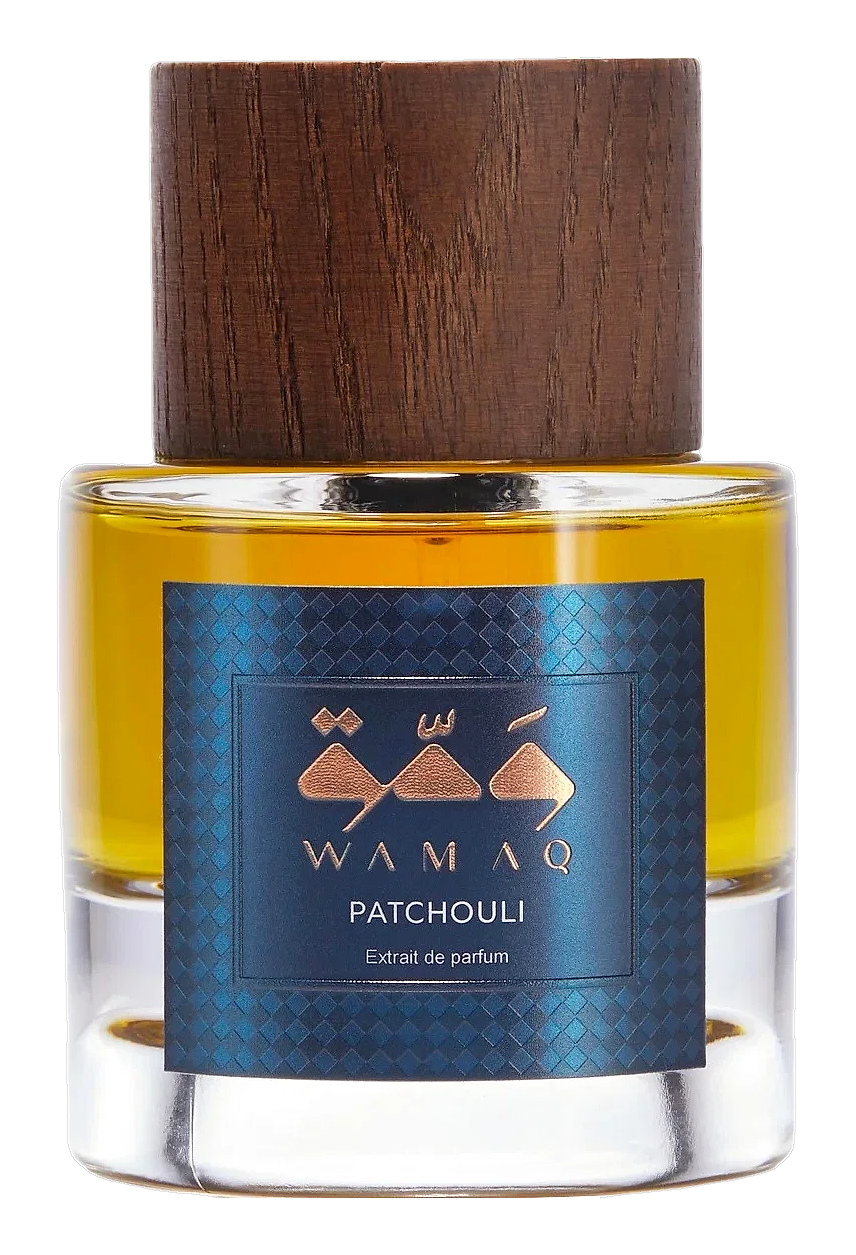
    Patchouli by WAMAQ
    Best Seller
    4.7

    Patchouli

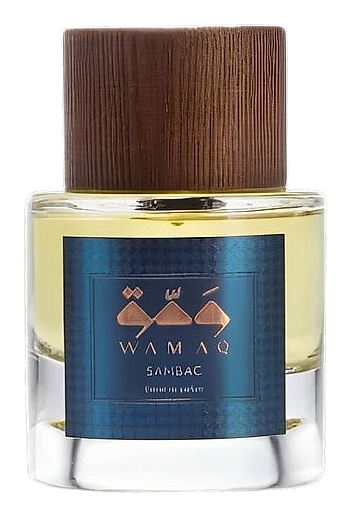
    Sambac by WAMAQ
    Best Seller
    4.9

    Sambac

    Seashell by WAMAQ
    Best Seller
    4.2

    Seashell

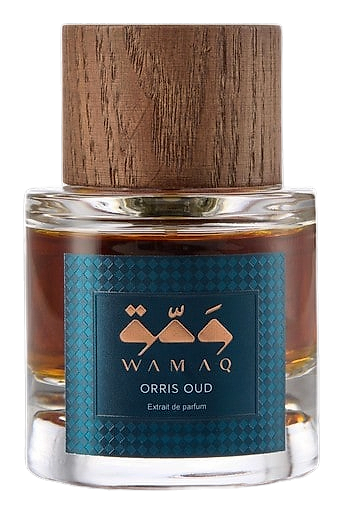
    Orris Oud by WAMAQ
    New
    3.5

    Orris Oud

    Ylang by WAMAQ
    New

    Ylang

    Haltane by Parfums de Marly
    Coming Soon

    Haltane

    Parfums de Marly

    The Heritage

    The Story of WAMAQ

    WAMAQ is a niche fragrance house that began releasing scents in the mid‑2020s, primarily from the Gulf region. Its early catalogue includes Sambac (2024), Patchouli (2024) and Seashell (2024), followed by the richer Orris Oud (2025) and a bright Ylang blend (2026). The brand works with regional perfumers such as Amer Al Radhi, and it positions each launch as a focused exploration of a single aromatic material rather than a layered narrative. WAMAQ’s releases appear in curated outlets like the Institute for Art and Olfaction, signalling a commitment to artistic dialogue within the contemporary perfume community.

    Heritage

    The public record of WAMAQ’s activity starts in 2024, when three fragrances—Sambac, Patchouli and Seashell—were announced on social platforms linked to the Saudi market (the @wamaq.ksa handle). The first detailed press coverage arrived in May 2025, when the Institute for Art and Olfaction posted an introduction to Patchouli, crediting perfumer Amer Al Radhi as the creator. That same year the house introduced Orris Oud, a composition that draws on Prachin oud from Thailand, a fact highlighted in a Fragrantica review that notes the wood’s earthy, mossy character. In 2026 the brand added Ylang, expanding its focus to floral aromatics. While the founder’s name and the exact launch date of the company are not disclosed in independent sources, the sequence of releases and the involvement of recognized perfumers suggest a deliberate, step‑by‑step build‑out rather than a rapid market entry. The brand’s modest but steady output has earned it mentions in niche fragrance circles, positioning it as a quietly growing participant in the Gulf’s emerging perfume scene. No major awards or sales rankings have been reported by third‑party publications, keeping the narrative centered on the scents themselves rather than commercial metrics.

    Craftsmanship

    Production at WAMAQ follows a small‑batch model. The Patchouli launch was announced alongside a note that the perfume was crafted in a private laboratory, implying a controlled environment where temperature and humidity are monitored to preserve the oil’s integrity. The use of Prachin oud in Orris Oud required sourcing from the Prachinburi province of Thailand, a region known for a specific terroir that imparts earthy, mossy nuances. Fragrantica’s analysis notes that the brand likely works with certified suppliers who can trace the wood back to sustainable plantations, a practice increasingly common among niche houses that wish to avoid the ecological pitfalls of wild‑harvested oud. Ingredients such as sambac and ylang‑ylang are typically extracted via steam distillation, a method that retains volatile top notes while minimizing thermal degradation. WAMAQ’s limited releases suggest that each batch is evaluated by the perfumer before bottling, ensuring consistency across small volumes. Bottles are sealed with airtight caps, and the brand reportedly stores finished products in cool, dark conditions to prevent oxidation. While the exact manufacturing partner is not disclosed, the emphasis on regional perfumers and transparent ingredient sourcing points to a collaborative approach that blends local expertise with global quality standards.

    Design Language

    Visually, WAMAQ adopts a minimalist palette that lets the fragrance name dominate the label. The Patchouli bottle, as shown in the Institute for Art and Olfaction post, features a clear glass vessel with a simple black cap, allowing the amber hue of the oil to be the primary visual cue. Orris Oud follows a similar schema, using a frosted glass that hints at the powdery nature of orris while maintaining a sleek silhouette. Typography across the brand’s social media leans toward clean, sans‑serif fonts, reinforcing the contemporary feel. The use of subtle Arabic calligraphy on some promotional images ties the brand back to its Gulf roots without overwhelming the design. Packaging materials are described as recyclable, aligning with the sustainability narrative present in the fragrance descriptions. Overall, the aesthetic balances understated elegance with a nod to regional heritage, creating a visual identity that feels both modern and grounded.

    Philosophy

    WAMAQ’s creative stance centers on material honesty. Each launch isolates a single note—sambac, patchouli, seashell, or oud—and treats it as the focal point, allowing the ingredient’s intrinsic character to speak without heavy layering. The brand’s statements, as reflected in its social posts, emphasize a dialogue between tradition and modernity, drawing on the Gulf’s historic relationship with incense while employing contemporary synthesis techniques. Sustainability appears in the choice of ingredients; the Orris Oud description references responsibly sourced Prachin oud, a wood that has faced over‑harvesting concerns in Thailand. By foregrounding provenance, WAMAQ signals a respect for both the source communities and the olfactory experience. The house also values collaboration with regional talent, as seen in the partnership with Amer Al Radhi, suggesting a belief that local expertise can reinterpret classic materials for a global audience. This philosophy translates into limited‑edition releases that invite collectors to experience a single aromatic narrative rather than a commercial fragrance line.

    Key Milestones

    2024

    Launch of three inaugural fragrances: Sambac, Patchouli and Seashell, announced via the @wamaq.ksa Instagram account.

    2025

    Institute for Art and Olfaction publishes an introduction to Patchouli, crediting perfumer Amer Al Radhi.

    2025

    Release of Orris Oud, featuring Prachin oud sourced from Thailand, reviewed on Fragrantica.

    2026

    Introduction of Ylang, expanding the brand’s focus to bright floral compositions.

    At a Glance

    Brand profile snapshot

    Origin

    Saudi Arabia

    Collection

    1

    Fragrances released

    Avg Rating

    4.7

    Community sentiment

    Release Rhythm

    2026
    1
    2025
    1
    2024
    3

    Did You Know?

    Interesting Facts

    Distinctive details and defining moments that shape the house personality.

    01

    The Patchouli launch was highlighted by the Institute for Art and Olfaction, a venue known for showcasing experimental scent work.

    02

    Orris Oud uses Prachin oud, a wood that originates from a specific Thai province celebrated for its mossy, earthy profile.

    03

    WAMAQ collaborates with regional perfumers such as Amer Al Radhi, indicating a commitment to local creative talent.

    04

    Each fragrance is presented in a single‑note format, allowing the chosen material to dominate the olfactory experience.

    The Artisans

    The Perfumers