The Story
Why it exists.
The beginning
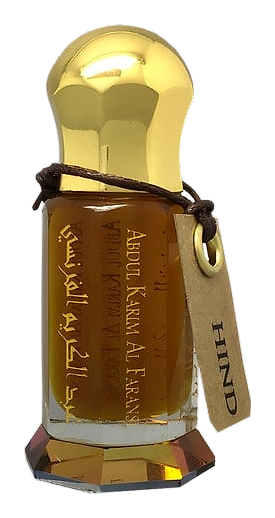
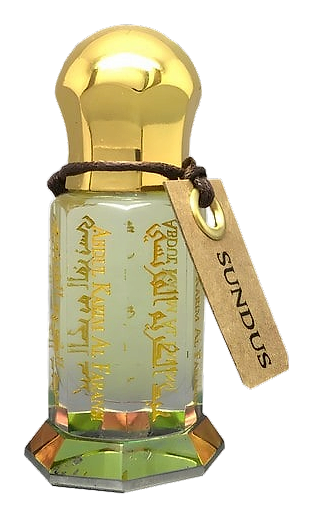
Sundus arrived in 2015 from Anthony Abdul Karim Marmin, the French perfumer who built Abdul Karim Al Faransi around a single premise: traditional Arabian raw materials deserve contemporary structure. The brand's earlier work had explored oud and musk as singular statements, Sundus was the house going deeper into the eastern musk territory, combining the mukhallat tradition with something more composed.
What makes Sundus work is its refusal to choose between richness and refinement. The Damask rose doesn't arrive as a delicate floral, it's dense, almost jammy, the kind of rose you'd find in Persian rose water sweets. The amber and honey amplify that sweetness without tipping into syrup. And the white musk at the base isn't just a fixative, it's the actual scent memory the fragrance leaves behind. Sandalwood smooths everything out, preventing the sweetness from cloying. The result is a fragrance that reads as distinctly eastern musk while maintaining the precision of a structured composition.
The evolution
The opening hits immediately, Damask rose, sweet and unfiltered, with the oriental notes providing a warm, spiced backdrop that keeps the rose from feeling delicate. Within twenty minutes, the honey and Tunisian jasmine arrive together, the jasmine adding creaminess rather than assertiveness. The amber is the connective tissue, it holds the rose and honey in suspension and keeps them from separating. Two hours in, the jasmine recedes and the white musk begins to surface, bringing the composition closer to the skin. The sandalwood follows, grounding everything in a soft, woody warmth that doesn't compete. By hour four, Sundus is skin-close, a whisper of rose and musk that persists until you wash it off. On fabric, it can carry into the next day.
Cultural impact
Sundus represents a modern chapter in the rich tradition of Arabian perfumery, where Damask rose and oriental ingredients have been central to regional scent culture for centuries. The fragrance draws from mukhallat traditions, the art of blending multiple aromatic materials into a cohesive whole, and reflects the broader renaissance of Middle Eastern perfume houses competing on the global niche stage. Abdul Karim Al Faransi's work positions traditional eastern materials like rose and white musk within a contemporary framework accessible to international audiences.