The Story
Why it exists.
The beginning
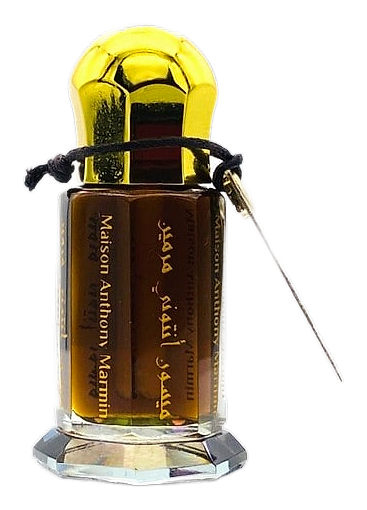
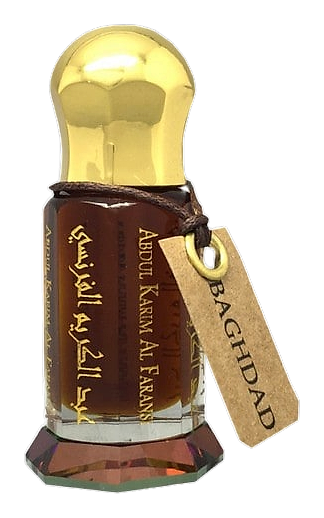
Baghdad. The name alone carries weight, centuries of trade, scholarship, and aromatic history. The city sat at the crossroads of the ancient world, where frankincense moved east, spices moved north, and scent became language. Anthony Abdul Karim Marmin built Baghdad in 2014 as a geographic composition, translating that legacy into rose, saffron, and oriental spices anchored by Indian oud and sandalwood. Not a tribute. A continuation.
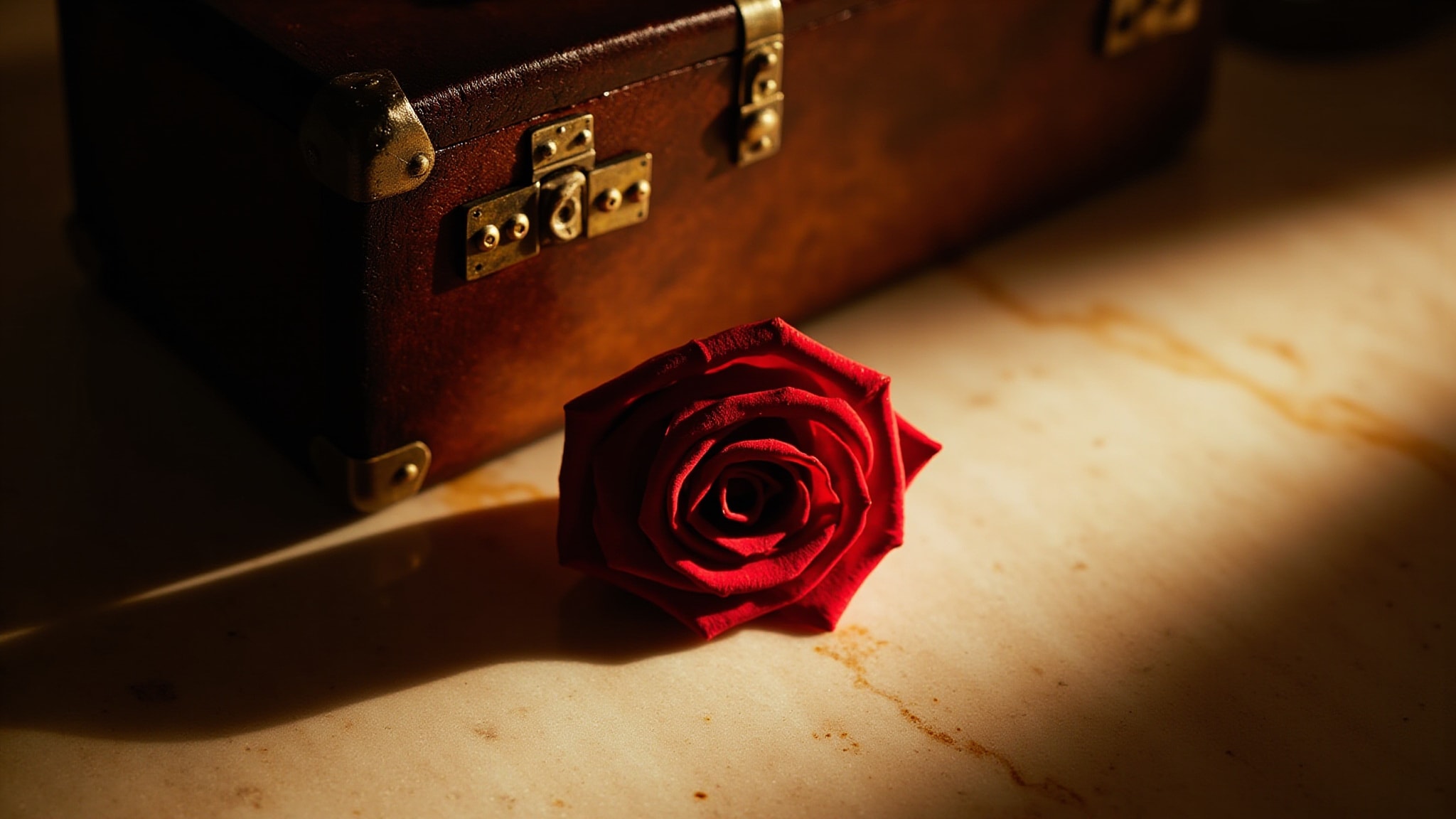
What makes this structure interesting is the inversion. Oud typically closes, it's the foundation, the settle, the final impression. Here it arrives first, sharp and sour, the battered leather case before the perfume inside. The rose doesn't compete with it; it tempers. This isn't rose-and-oud where the rose leads. It's oud-and-rose where the rose humanizes what could otherwise be austere. The saffron in the heart adds metallic warmth, bridging the opening and the drydown into something that actually evolves.
The evolution
The oud hits first. Sharp. Sour. Almost confrontational for a base note leading the way. But this is the tell, the worn leather case, not the perfume inside. Within minutes the rose arrives, heavy and worked, tempering the animalic edge into something exotic and alluring. The heart builds from there: saffron's metallic bitterness weaving through woody warmth, the composition settling into itself. By hour three, the oud has softened into resinous smoke. Sandalwood carries the drydown, but the oud lingers. On fabric, the scent holds close. The next morning, faint resinous warmth on warm skin. Still there. Still Baghdad.
Cultural impact
The fragrance draws from Iraq's ancient position as a crossroads of trade and perfumery along the Silk Road. Baghdad provides the namesake inspiration for this scent, with spices like saffron central to Arabian perfumery for centuries. This fragrance delivers a modern, wearable interpretation of Middle Eastern olfactory traditions.