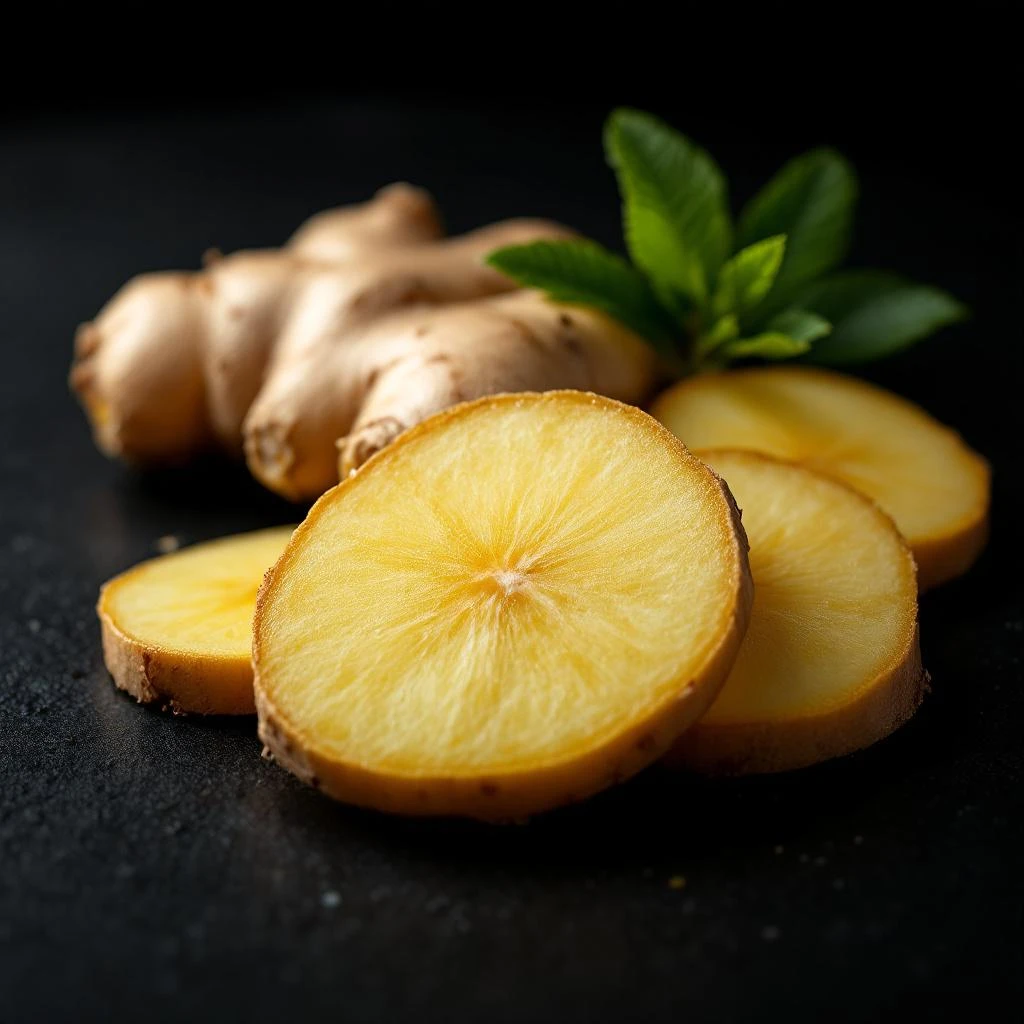
Oriental Spices
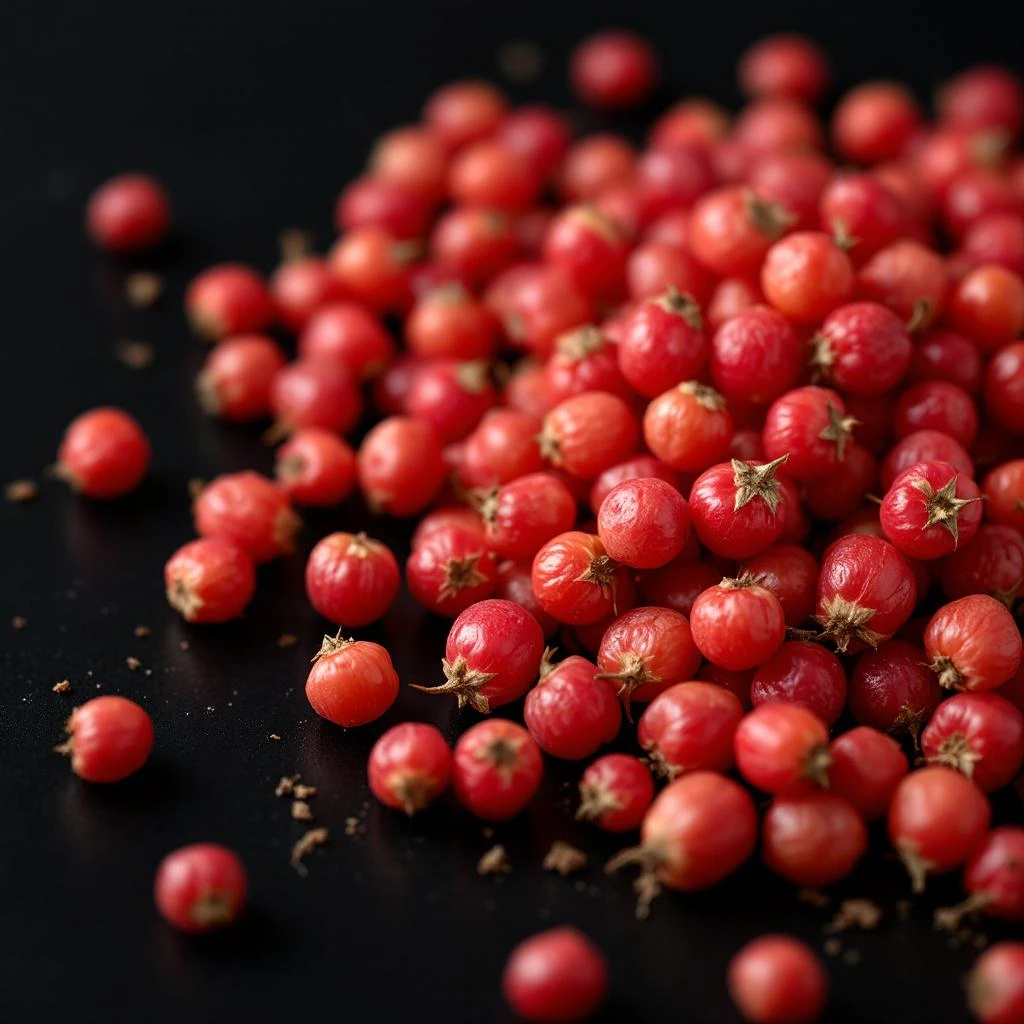
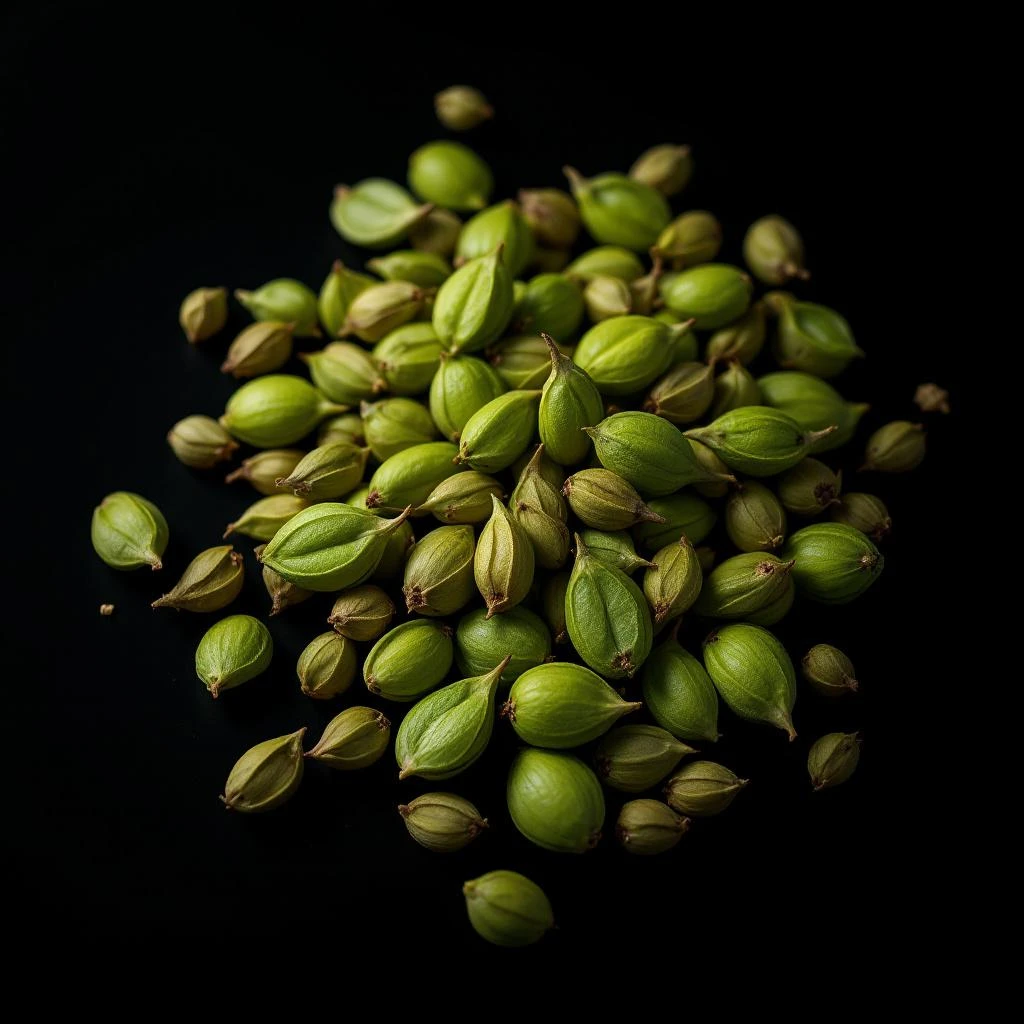
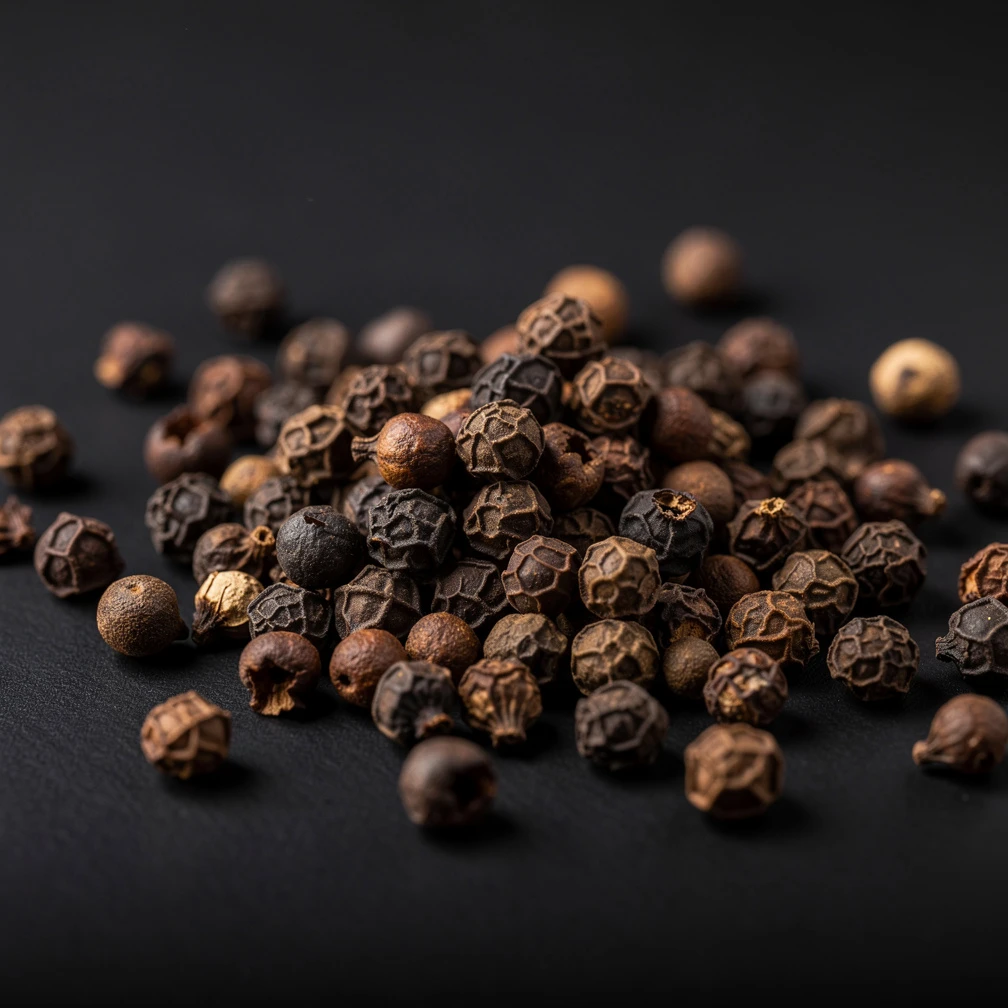
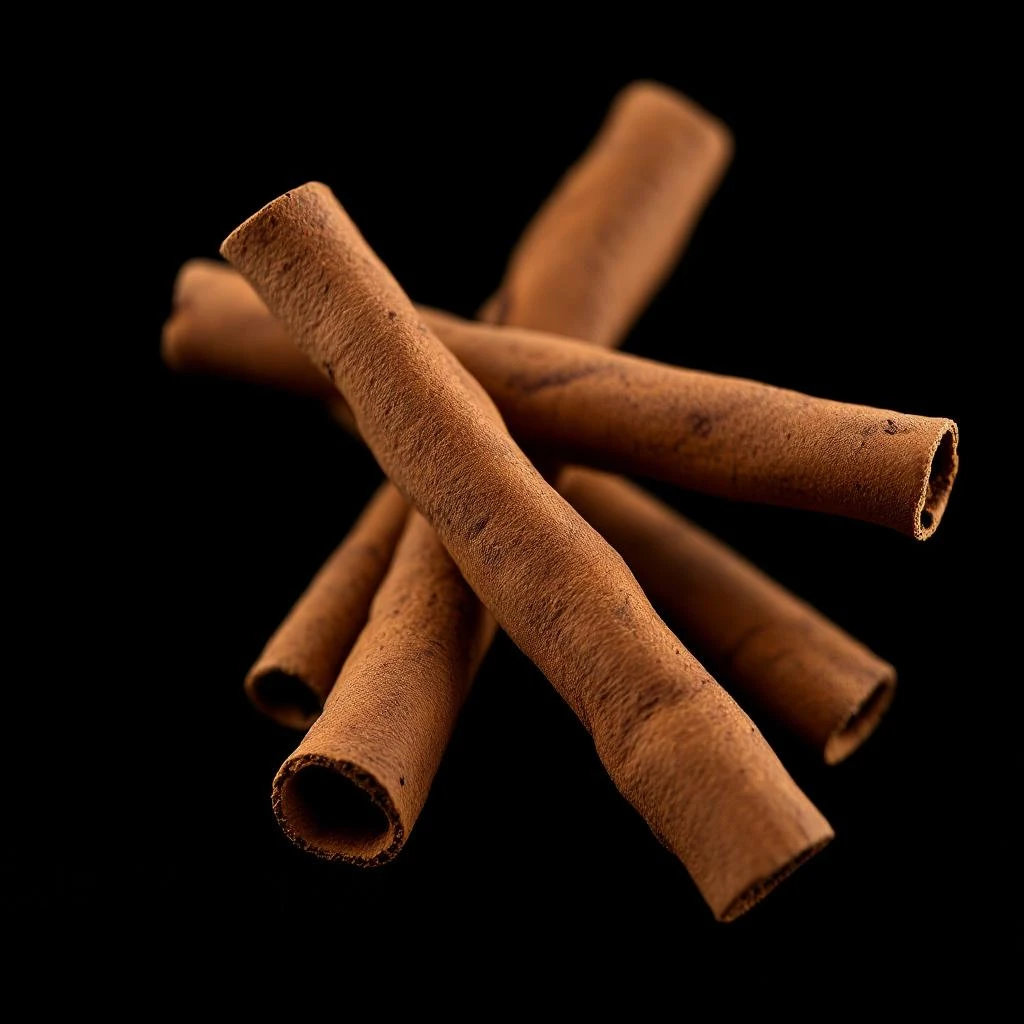
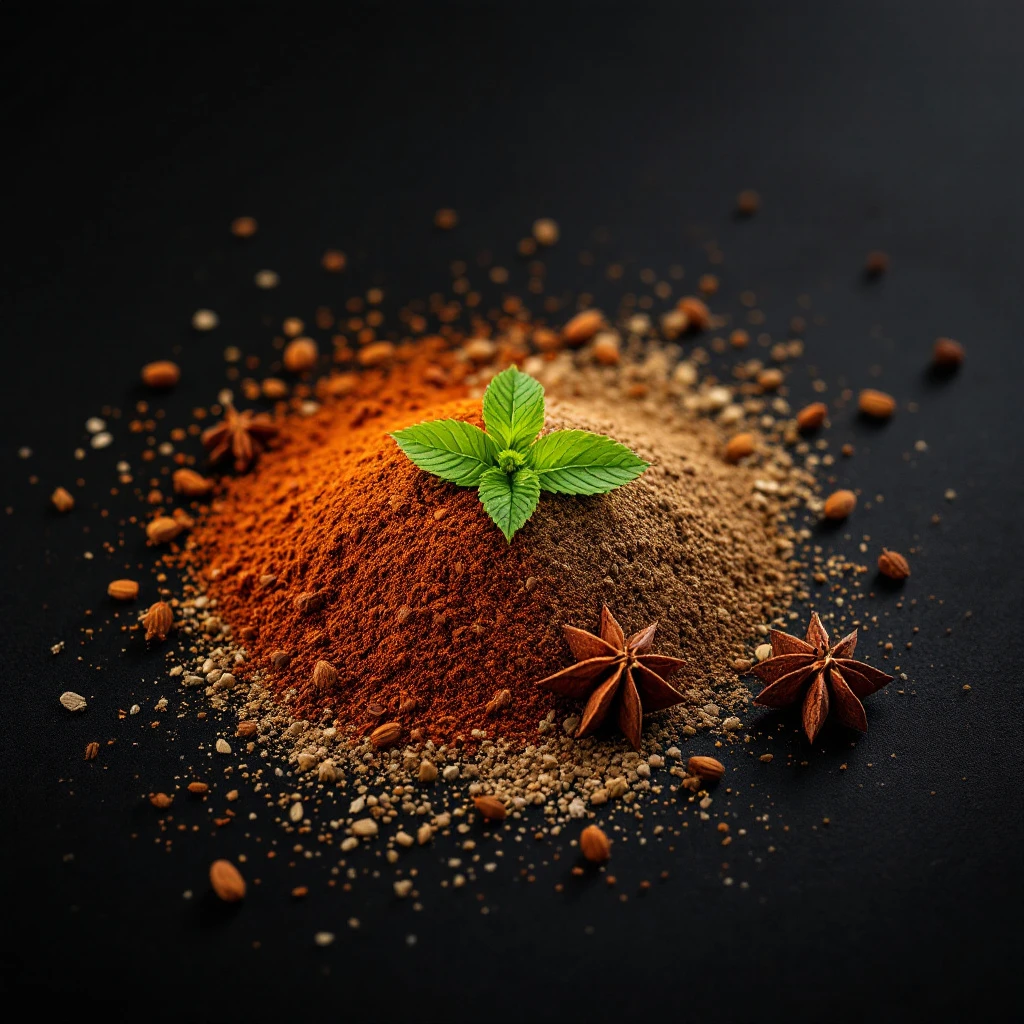
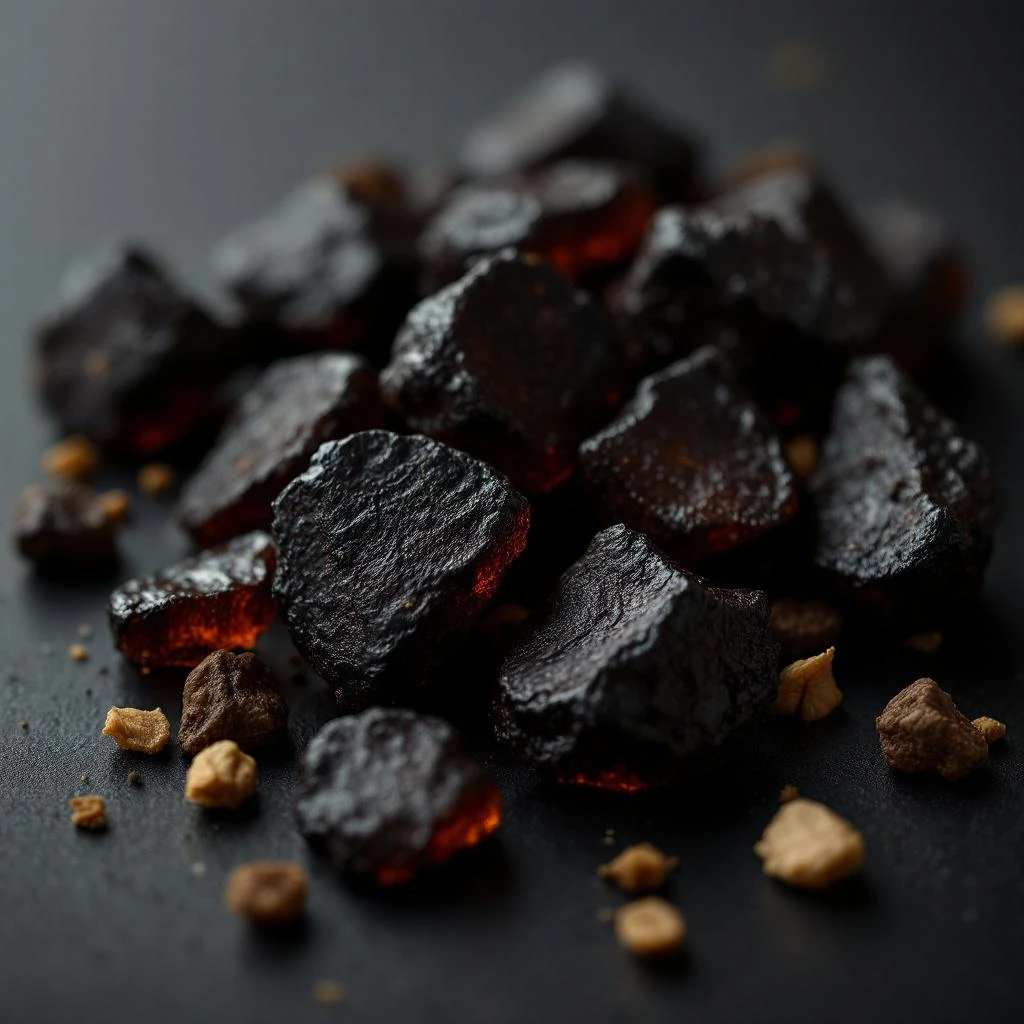
A category of warm, resinous spices including cardamom, cinnamon, clove, and pepper that form the beating heart of oriental perfumery. These aromatic materials add depth, heat, and an irresistible richness that has captivated fragrance lovers for millennia.
Character
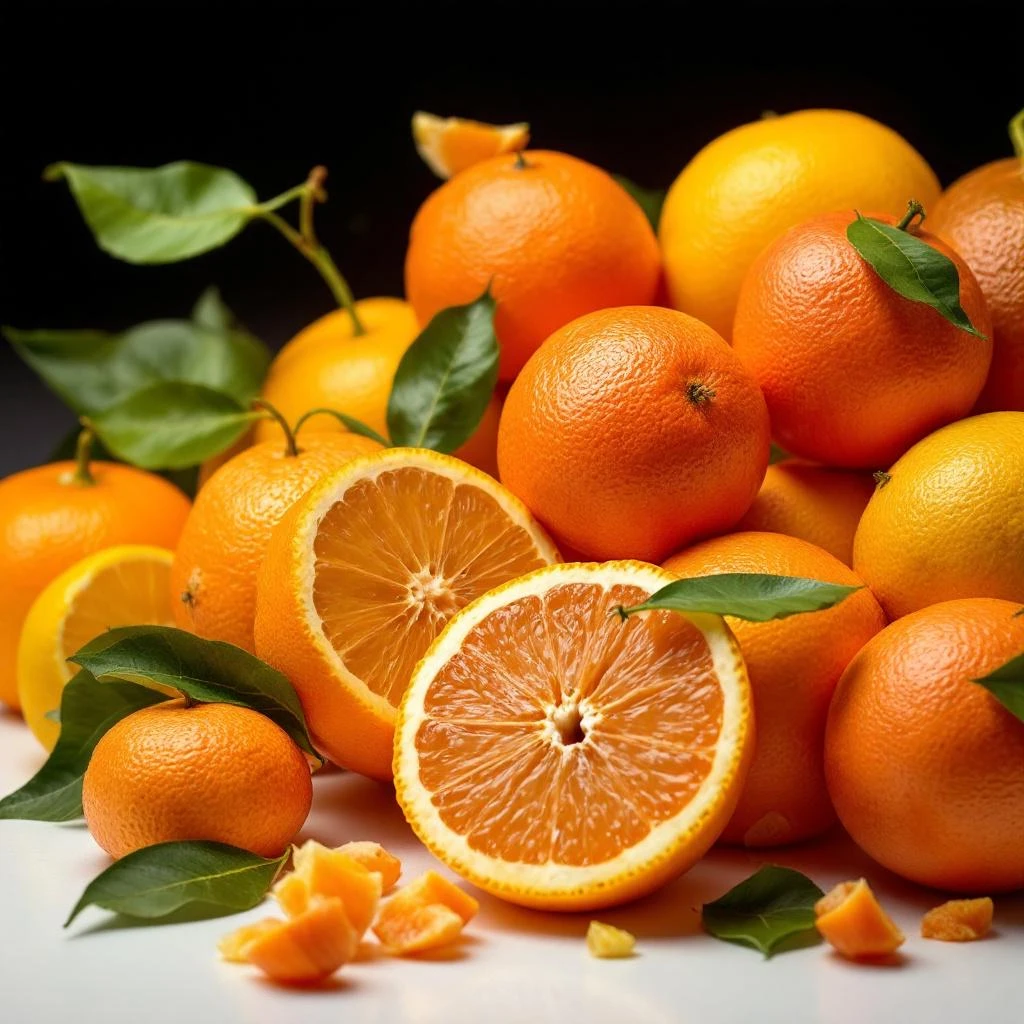
How it smells
The warm pulse of ancient trade routes.
The demand for oriental spices once shaped entire trade routes, sparking the Age of Exploration in the 15th century.




Origin
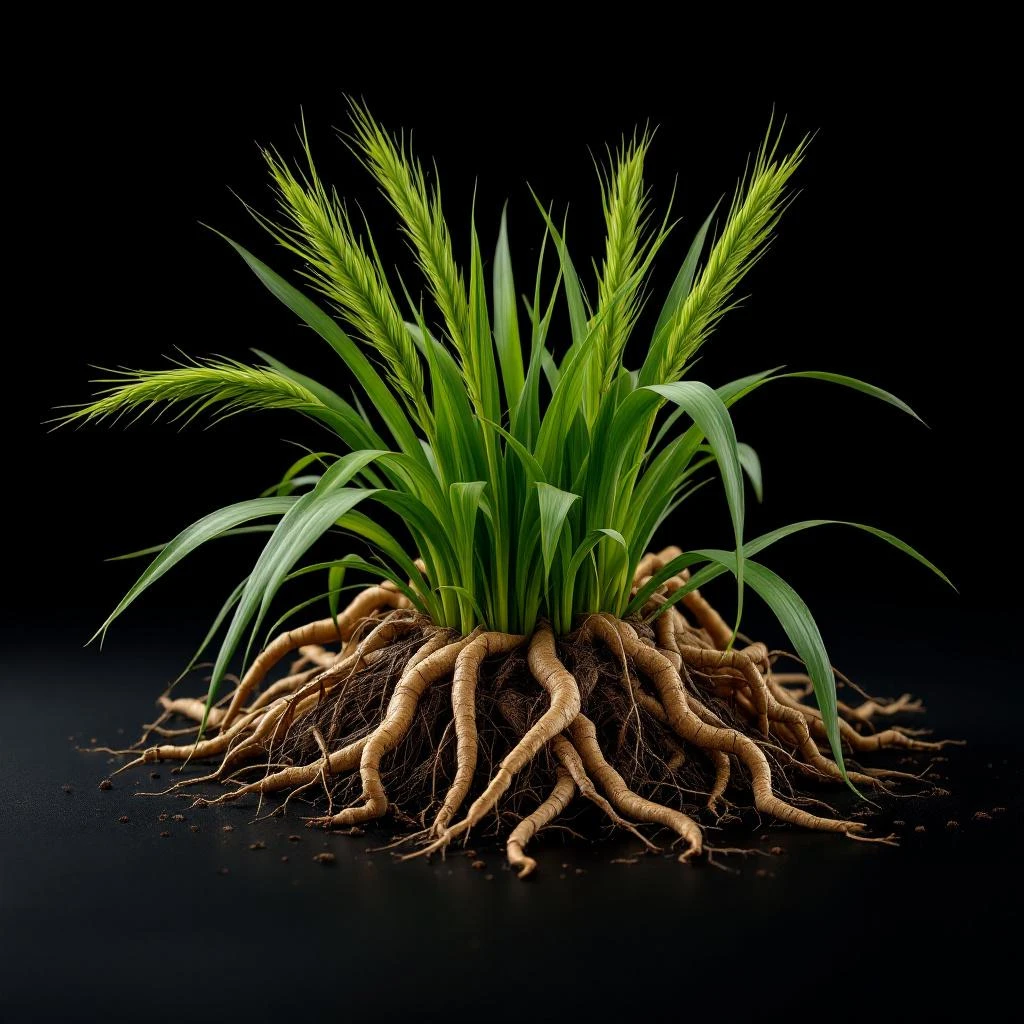
India
Oriental perfumery traces its roots to ancient Egypt, where priests burned resinous spices in temples. The tradition flourished along Arabian trade routes, with Al-Ula in the Hejaz region emerging as a legendary perfumery oasis that drew civilizations from across the known world.
By the 12th century, Arabian physicians had perfected distillation techniques that allowed them to isolate and concentrate aromatic compounds with unprecedented precision. These innovations reached Europe through the Crusades, gradually transforming spice into scent.
The oriental fragrance family as we understand it crystallized in the late 19th century when synthetic aroma compounds like vanillin and coumarin entered commercial production, enabling perfumers to build richer, longer-lasting spice compositions. Today, these materials remain essential to one of perfumery's most enduring and seductive fragrance families.
Wears it best
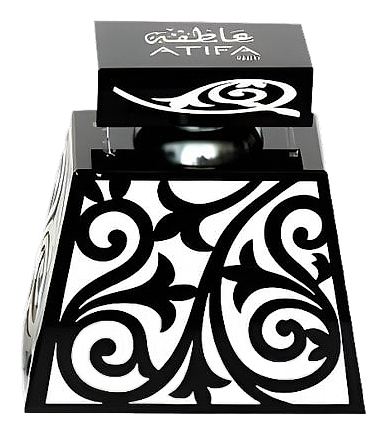
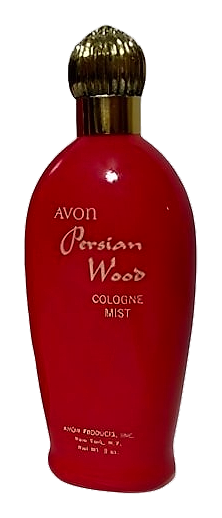
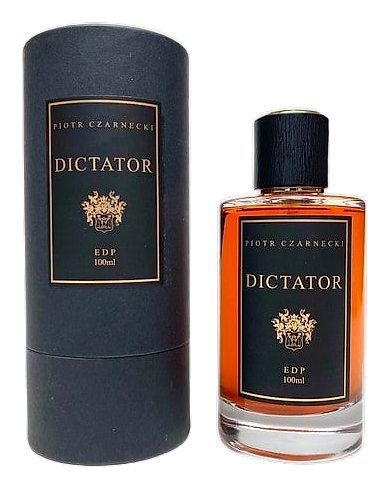
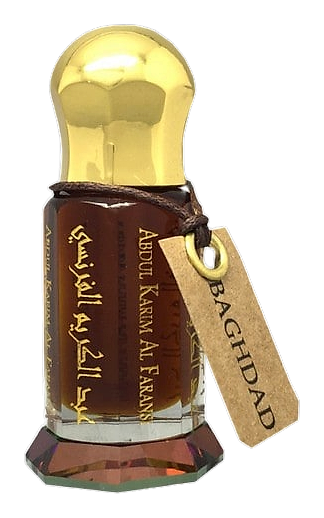
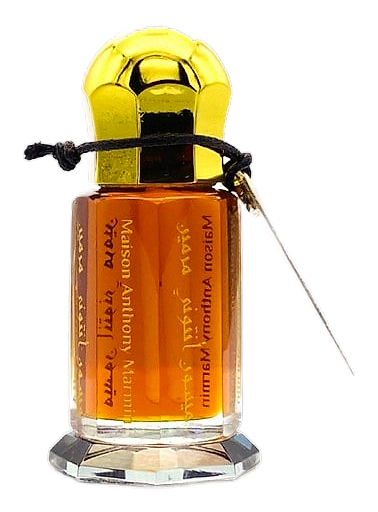
Fragrances featuring Oriental Spices
Brands
Brands known for Oriental Spices
Good to know
Questions, answered
The essentials on Oriental Spices in perfumery: how it smells, where it comes from, and how it behaves on skin.
What defines Oriental Spices as a fragrance note?
Oriental Spices refers to warm, aromatic materials like cardamom, cinnamon, clove, and pepper that form the core of oriental fragrance families. These notes create rich, sensual foundations with sweet, resinous, and slightly medicinal characteristics.
How are oriental spices extracted for use in perfumery?
Steam distillation is the primary method, pulling essential oils from seeds and bark. Solvent extraction captures deeper absolutes from flower buds and pods, while CO2 extraction preserves the most complete aromatic profile of spices.
Which spices appear most frequently in oriental fragrances?
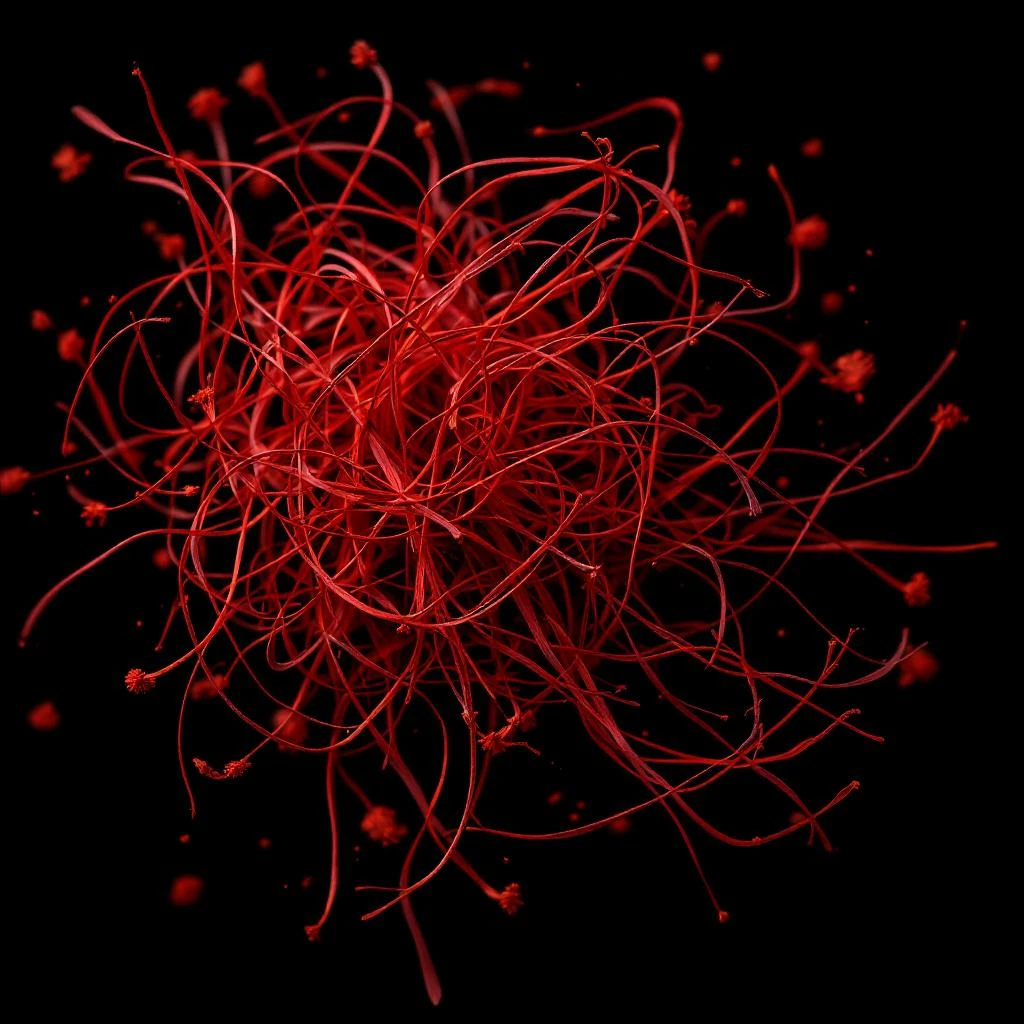
Cardamom, cinnamon bark, clove bud, and pink pepper define classic oriental spice accords. Nutmeg and allspice add complexity, while saffron provides a more luxurious, slightly leathery spice dimension.
What distinguishes natural oriental spices from synthetic alternatives?
Natural extracts contain hundreds of aromatic compounds that create complex, evolving scent profiles. Synthetics like eugenol replicate specific facets but lack the nuanced depth of whole natural spice materials.
Which countries supply the finest oriental spices for perfumery?
Guatemala produces the world's best cardamom, while Sri Lanka and China supply premium cinnamon bark. Indonesia and the Moluccas remain the source of the finest clove oil.
How much spice extract do perfumers typically use in a fragrance?
Spice notes usually comprise 5-15% of a fragrance composition, though clove and cinnamon bark require careful dilution due to their potency and potential skin sensitization at high concentrations.
Can oriental spices work in light summer fragrances?
Cardamom and pink pepper adapt surprisingly well to lighter compositions, adding warmth without heaviness. Bergamot and citrus help lift spice notes for warmer-weather applications.
Why do oriental spices pair so well with oriental resins?
Spices and resins share molecular similarities that create harmonic blending. The phenolic compounds in clove resonate with the sesquiterpenes in benzoin, producing a unified, long-lasting oriental signature.