
The Story
Why it exists.
The beginning
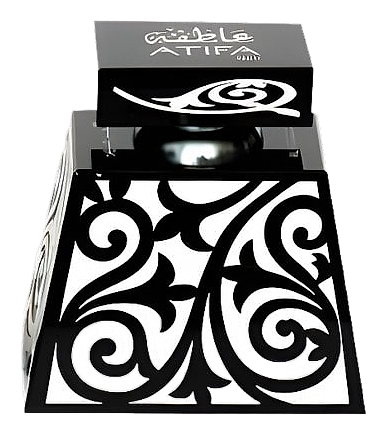
Atifa Noir emerged from Al Haramain's tradition of building oriental compositions that don't dilute themselves on the way to market. The name carries weight, Atifa suggests tenderness, warmth, something earned rather than given. Christian Carbonnel designed this for someone who wants fragrance to announce presence, not float gently into a room. The brief seems simple: attraction and desire, held for a long period of time. What that actually means on skin is a different question.
The note structure reveals the ambition. Saffron appears in the top and again in the heart, a deliberate choice that lets the material's medicinal-bitter-sweet character anchor the entire composition rather than disappear after the opening. Cinnamon does similar work at the start, adding heat that doesn't fade so much as integrate. The real risk sits in the base: chocolate and caramel could easily become confectionery, saccharine, too much. The dahlia and musk exist to prevent exactly that. This is oriental perfumery that knows its own pitfalls and plants guardrails accordingly.
The evolution
The opening hits fast, cinnamon's sharp warmth, the saffron's distinct bitterness cutting through. Rose arrives within minutes, softening everything without diluting it. Damask gives way to a longer herbal-woody heart that feels like it belongs to a different phase entirely, quieter and more grounded. Then the base takes over around the two-hour mark: amber first, then caramel sweetness expanding, chocolate settling deep. Musk appears last, holding everything close to the skin rather than projecting it outward. By hour six, it's skin-warm and intimate, present without announcing itself. On fabric, traces of caramel and chocolate remain into the next day.
Cultural impact
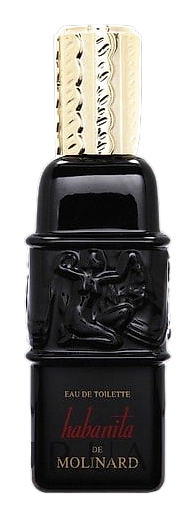
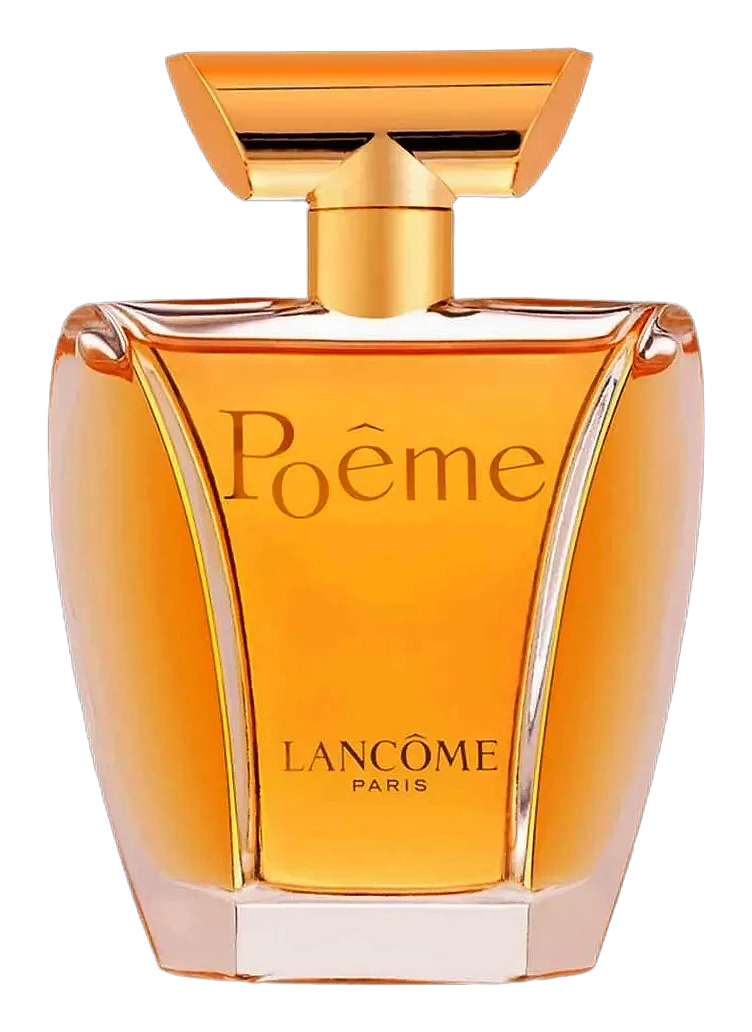
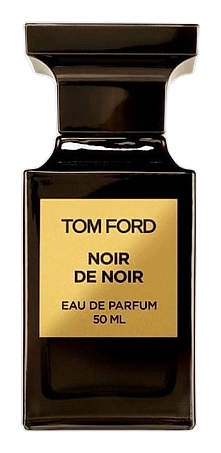
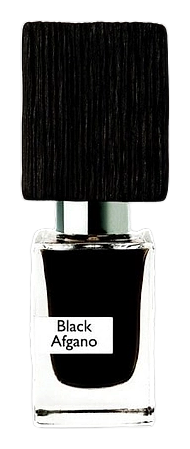
Atifa Noir occupies a specific corner of the oriental vanilla conversation, the one where chocolate, caramel, and florals all arrive at once. Wearers who connect with it tend to wear it consistently, describing it as a fragrance that announces presence rather than whispers. The comparison to Black Orchid comes up often: both are maximalist oriental compositions that don't apologize for their sweetness or their complexity. What differs is the chocolate-forward drydown and the dahlia note, which gives Atifa Noir a slightly darker, more unexpected quality than its Western counterpart.
The House
Al Haramain PerfumesAl Haramain Perfumes is a fragrance house rooted in Mecca, Saudi Arabia, with over five decades of experience crafting oriental perfumes. The company traces its origins to 1970, when founder Kazi Abdul Haque, a Bangladeshi businessman, began trading perfumes with shops in Makkah and Madinah before moving into production. Today, the business operates from the UAE under the leadership of Haque's eldest son, Mahtabur Rahman, who serves as Chairman and Managing Director. Al Haramain has built a portfolio that reportedly exceeds 1,000 fragrance variants, spanning pure perfume oils, concentrated sprays, bakhoor, and agarwood products. The brand maintains retail presence across the GCC, Middle East, Asia, and Europe through a network of exclusive stores. Notable releases include Dehnal Oudh Mahabbah from 2012, Red African from 2017, Mukhamria Maliki Silver from 2021, and the Musk Orchid and Musk Floral releases of 2023.
The Creator
Christian CarbonnelCarbonnel is at his most distinctive when building rich, layered oriental compositions that unfold over hours on the skin. He favors high-quality natural materials and constructs fragrances with real depth—top notes that sparkle, heart notes that develop, and base notes that a…