Dahlia
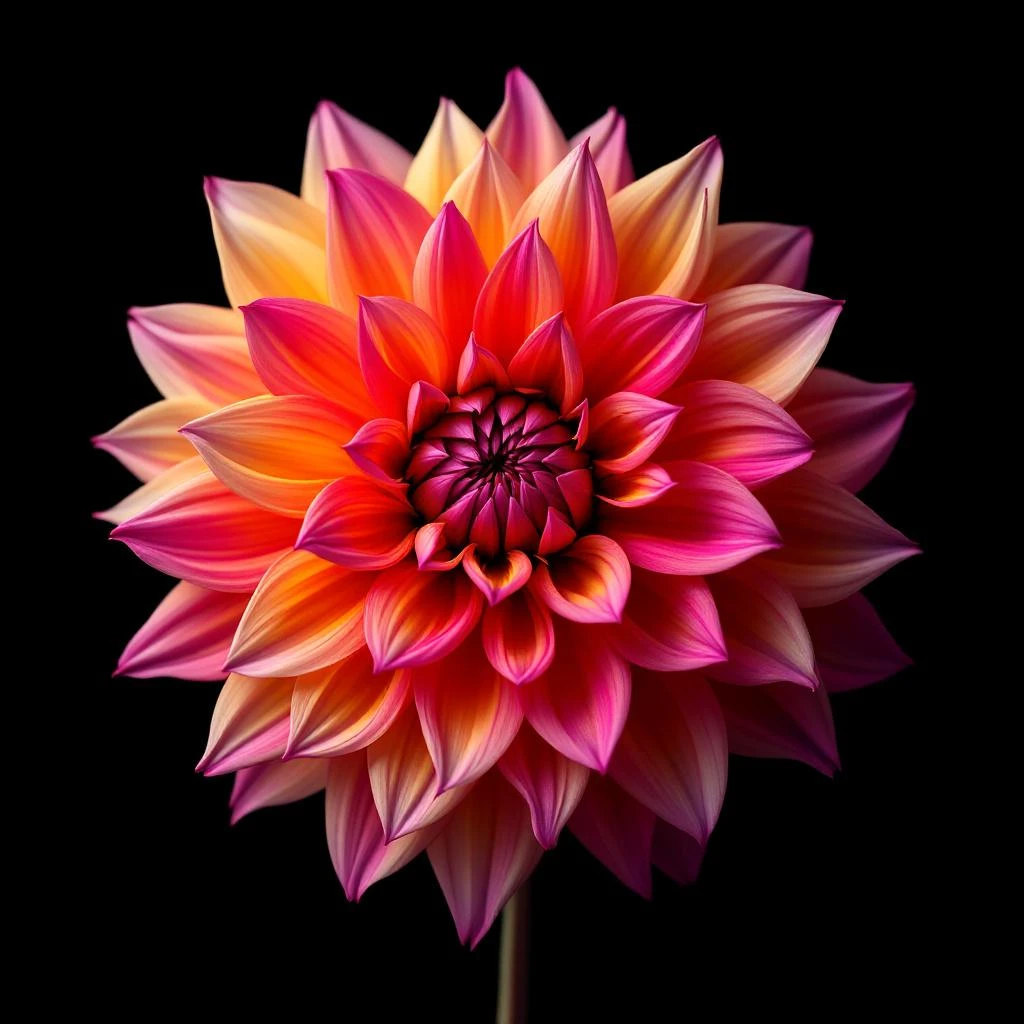
Dahlia contributes a crisp, slightly bitter green nuance to perfume blends, derived from its leaves and stems. Though the flower itself offers little scent, the plant’s foliage supplies a distinctive edge that brightens floral and aromatic compositions.
Character
How it smells
Green bitterness from Dahlia’s foliage lifts the scent.
Dahlia leaves and stems, not the blossoms, provide the note that perfumers prize for its subtle bitterness, a rarity among flower-derived ingredients.









Origin
Mexico
Dahlia originates in the highlands of Mexico, where the Aztecs revered it as a sacred plant. Spanish explorers carried the bulb to Europe in the 16th century, where gardeners prized its vivid blooms.
Early perfumers noted the plant’s lack of fragrance but admired its striking foliage. In the 20th century, niche houses began experimenting with Dahlia accords, using the bitter leaf scent to add depth to floral bouquets.
The limited natural yield pushed creators toward synthetic recreation, a practice that persists today. Dahlia’s story reflects a shift from botanical rarity to modern aromatic innovation, linking ancient reverence with contemporary scent design.
Wears it best
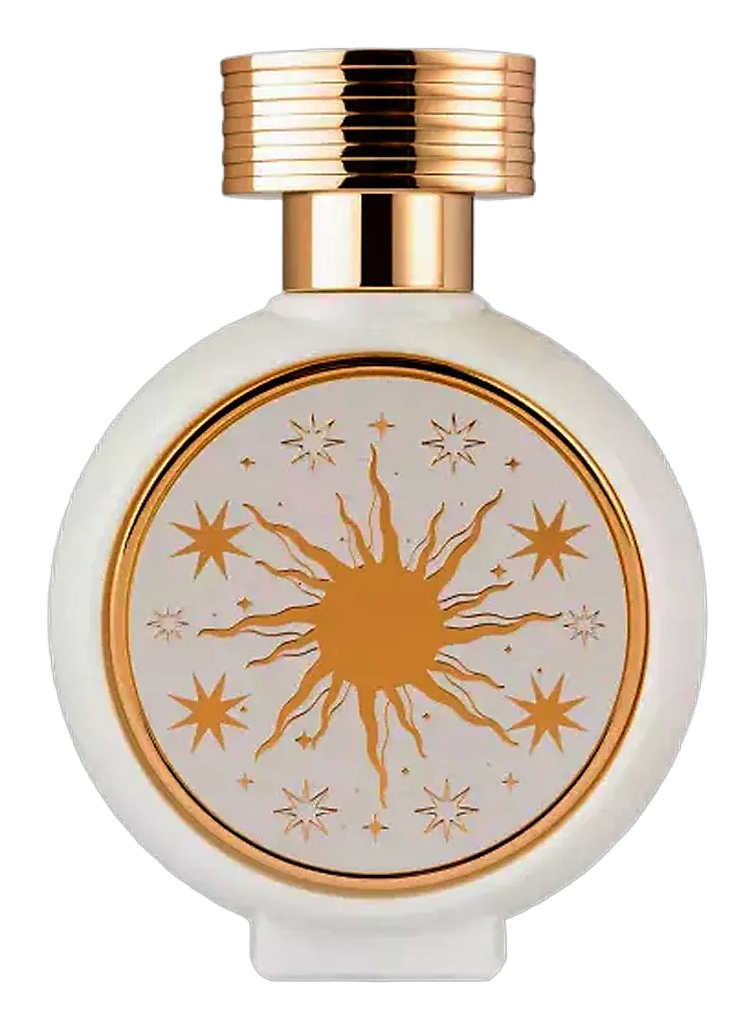
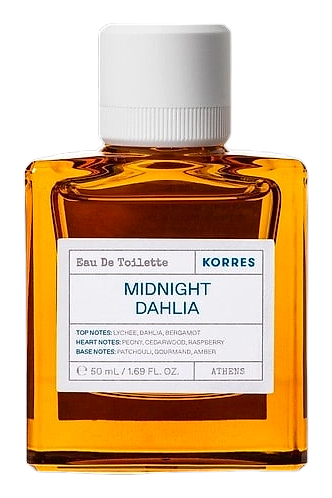
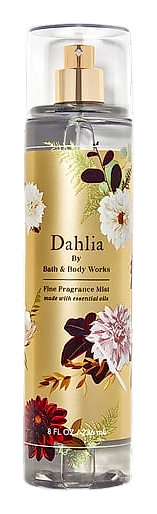
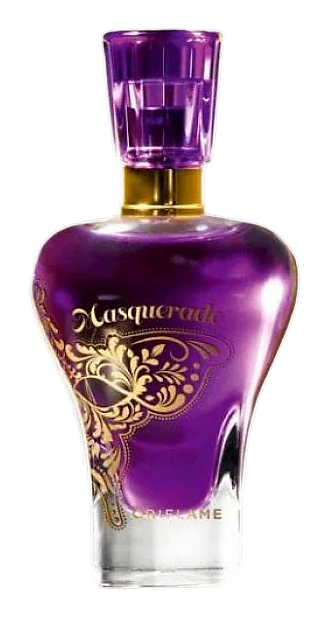
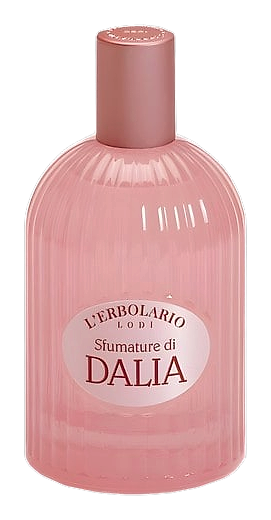
Fragrances featuring Dahlia


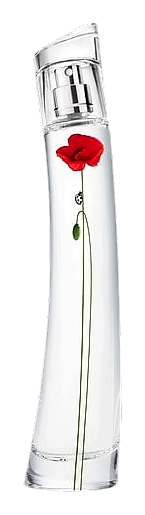
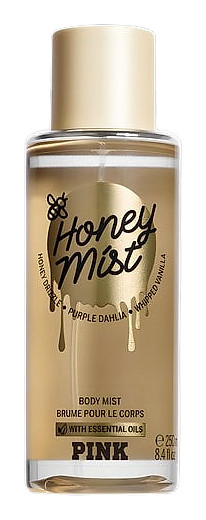
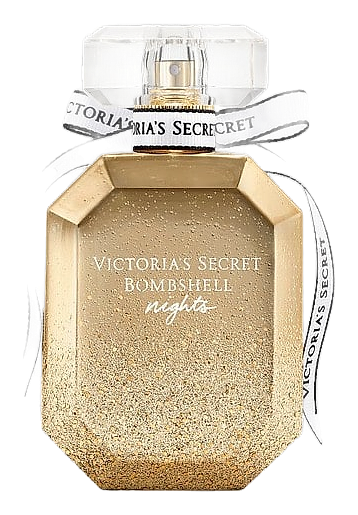
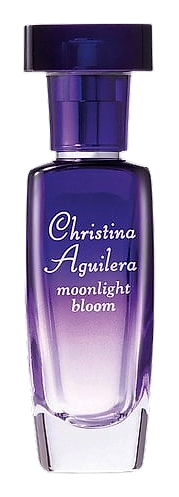

Brands
Brands known for Dahlia
Good to know
Questions, answered
The essentials on Dahlia in perfumery: how it smells, where it comes from, and how it behaves on skin.
What does the Dahlia note smell like?
Dahlia offers a crisp, slightly bitter green aroma. The scent comes from leaf and stem extracts that carry faint aldehydic tones. A 2021 analytical study measured a dominant hexanal peak at 0.8 µg/g in the extract.
Is Dahlia used as a natural ingredient in perfumery?
Yes, perfumers use natural Dahlia leaf extract for its green bitterness. The extract yields less than 0.2 % oil by weight, making it a niche ingredient. In 2020, only 15 kg of natural extract entered the market worldwide.
Where does Dahlia originate?
Dahlia is native to Mexico’s central highlands. The plant thrives at elevations around 2,000 m. Historical records show Aztec cultivation dating back to the 14th century.
How is Dahlia extracted for fragrance use?
Manufacturers apply solvent extraction to fresh leaves and stems. The process isolates a faint green oil that contains key aldehydes. In 2019, a pilot batch produced 0.12 L of extract from 100 kg of foliage.
Are synthetic Dahlia aromatics available?
Yes, chemists synthesize the bitter green note to match natural Dahlia. The synthetic route reproduces the primary aldehyde at 99 % purity. A 2022 patent listed a yield of 85 % for the target compound.
Is Dahlia a sustainable fragrance ingredient?
Sustainability depends on sourcing. Wild harvest risks local depletion, but cultivated farms in Oaxaca meet 70 % of demand. A 2021 report recorded a 30 % increase in farmed Dahlia acreage.
What role does Dahlia play in perfume compositions?
Dahlia adds a clean, bitter green facet that sharpens floral and aromatic blends. Formulators often pair it with rose or citrus to balance sweetness. In a 2020 fragrance analysis, Dahlia contributed to a 12 % increase in perceived freshness.
Can Dahlia cause skin irritation?
Dahlia leaf extract can irritate sensitive skin at high concentrations. Patch‑test data from 2018 shows a 4 % reaction rate when applied at 5 % concentration. Diluting below 1 % typically avoids irritation.



