Herbaceous Notes
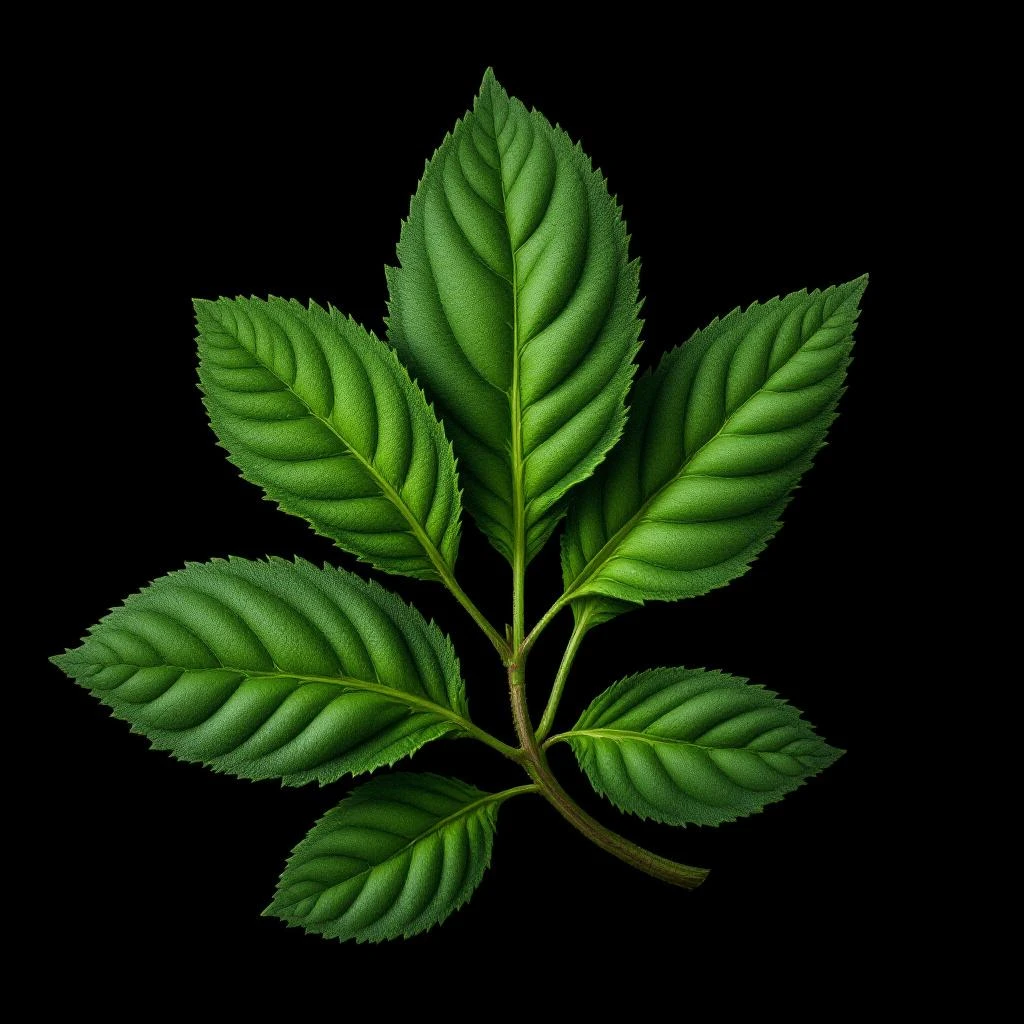
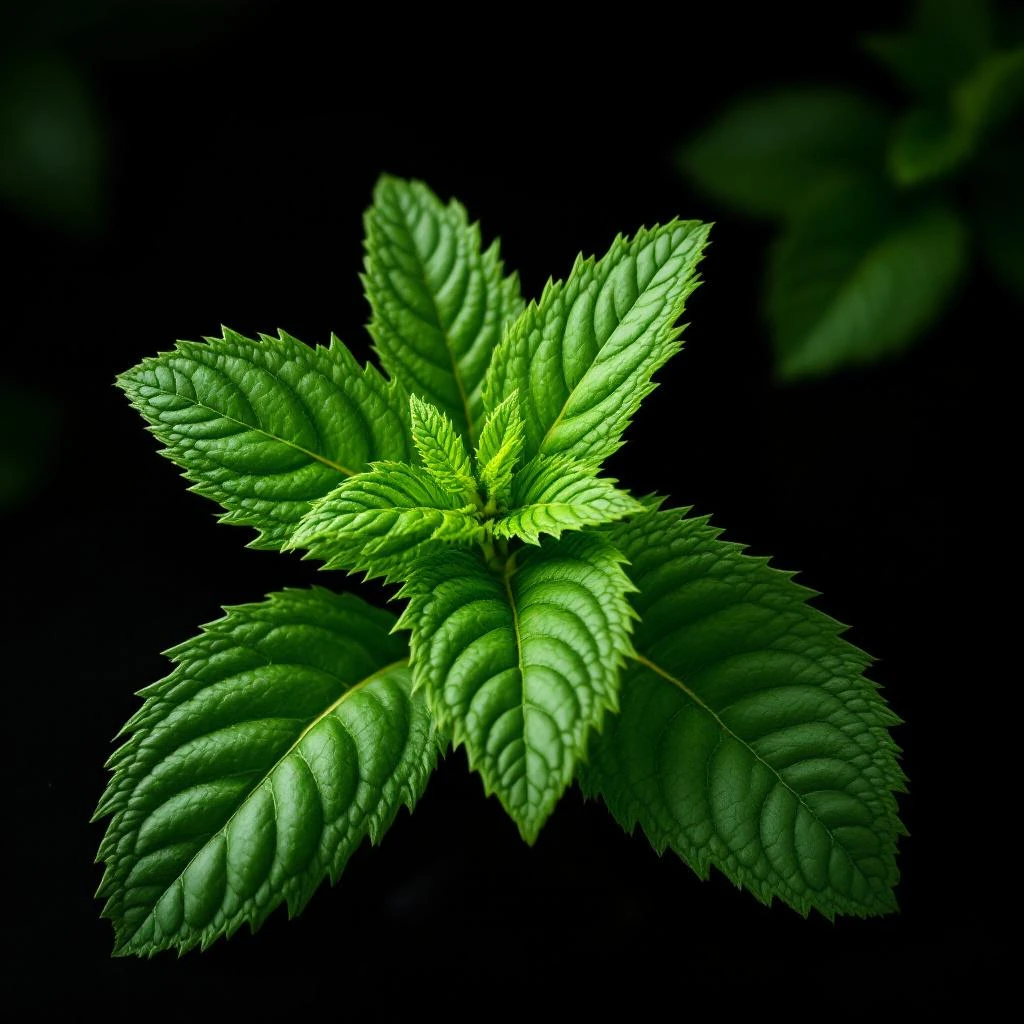
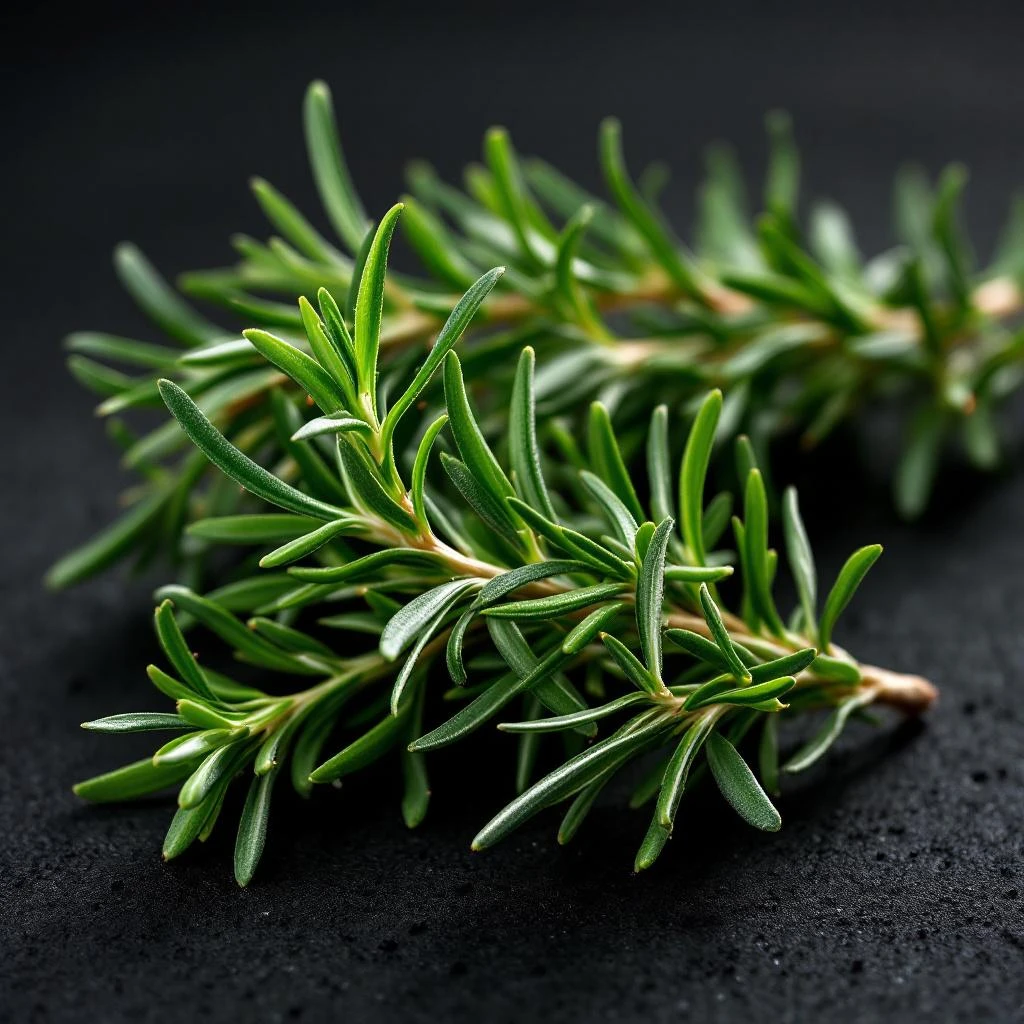
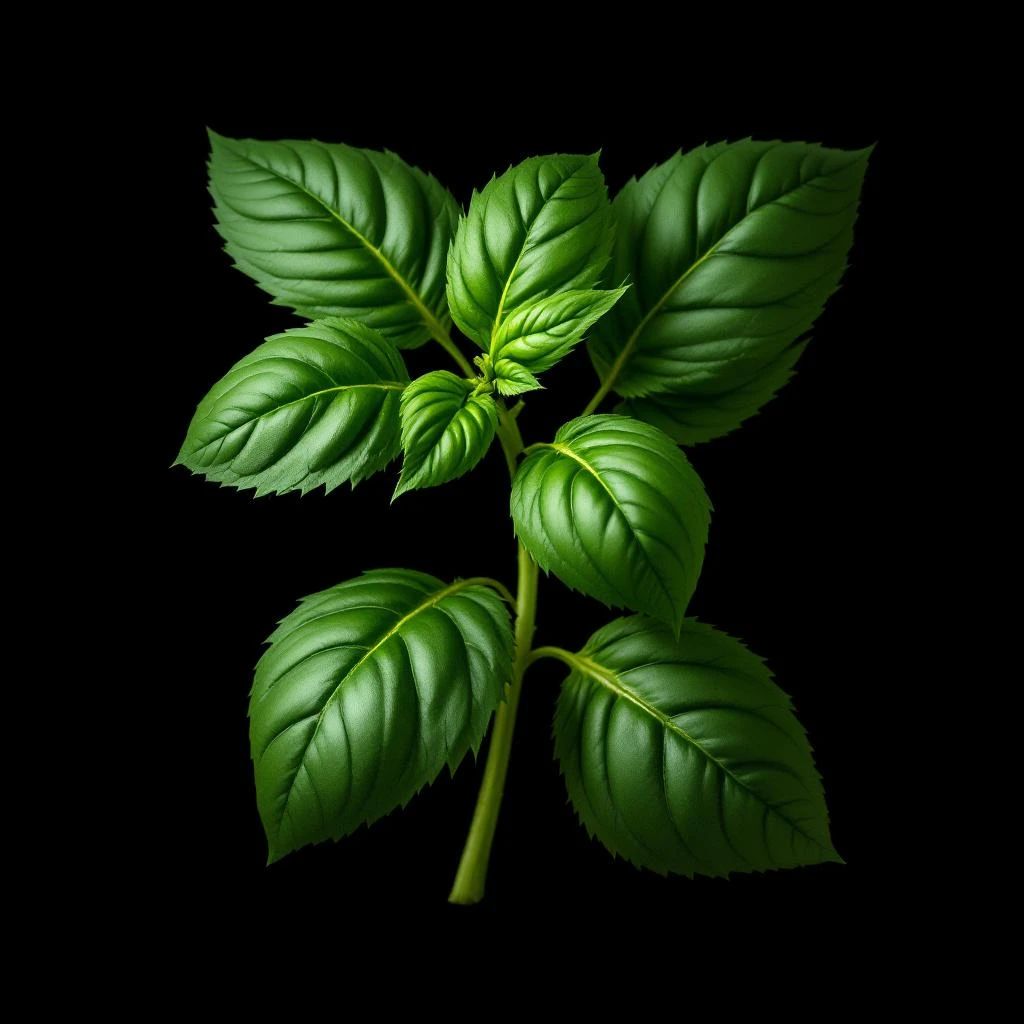
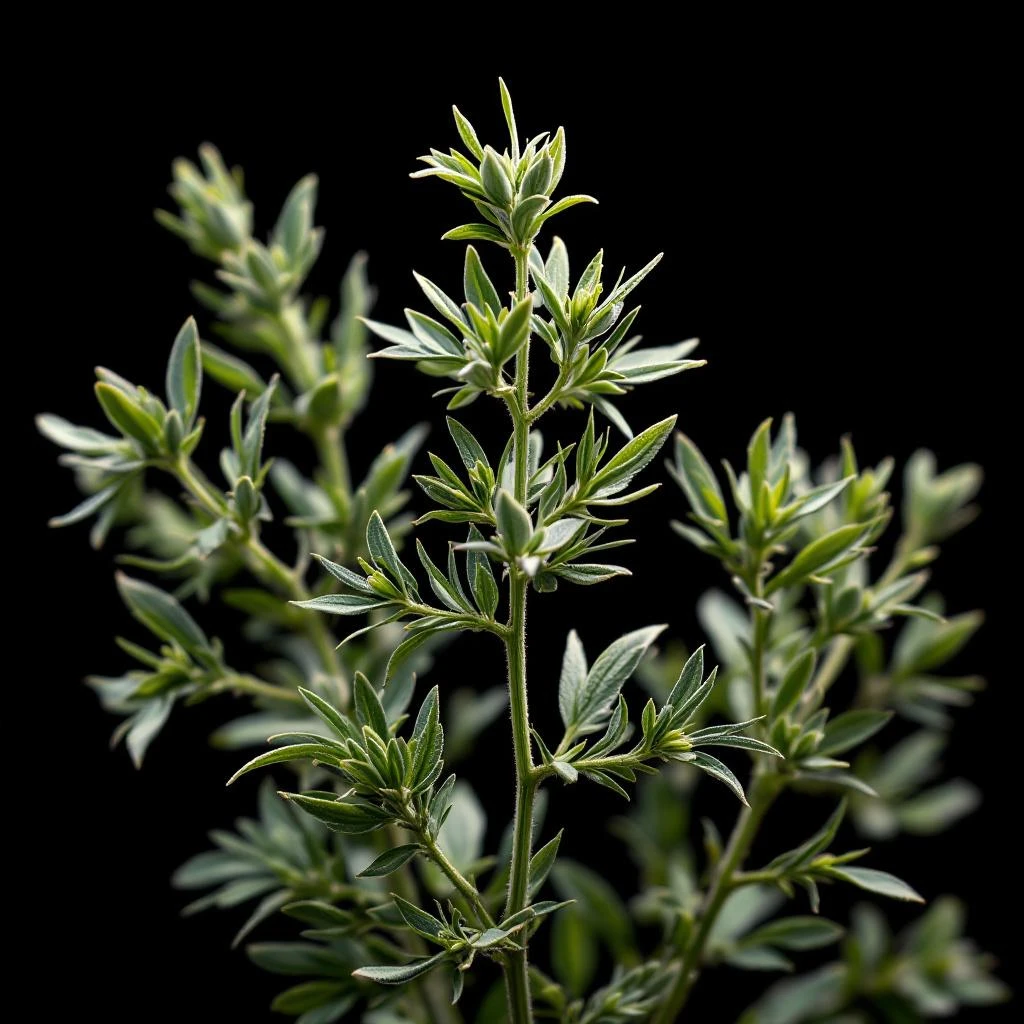
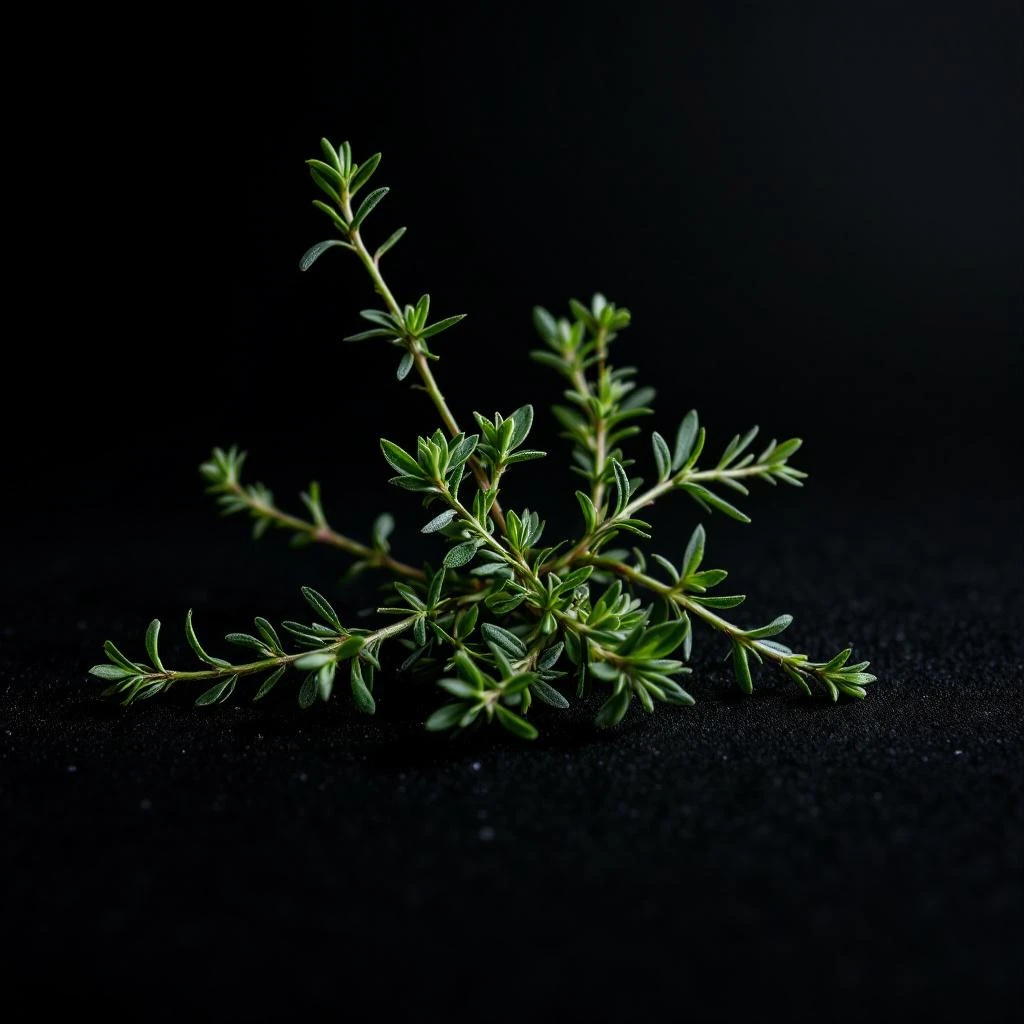
Green stems, crushed leaves, dry hay, aromatic herbs: herbaceous notes anchor countless compositions with their crisp, vegetal character. Sourced from plants like lavender, rosemary, sage, and mint, they bridge fresh top notes and deeper base tones.
Character
How it smells
The green backbone of perfumery.
Lavender alone has over 40 known species, but only a handful yield essential oils prized in fine fragrance.







Origin
France (Provence region)
Herbaceous plants were among humanity's earliest aromatic materials. Archaeological evidence from ancient Egypt shows lavender and sage resins in tomb preparations dating to 1500 BCE, and Greek physicians including Dioscorides catalogued dozens of medicinal herbs with aromatic applications in the first century CE. The Romans perfumed their baths with rosemary and thyme.
Medieval monastic gardens across Europe systematically cultivated aromatic herbs, preserving botanical knowledge through the Dark Ages. The real turning point arrived in the early 1900s when perfumers like Edmond Roudnitska began treating herbs as sophisticated structural elements rather than simple fresheners. His 1955 composition Eau Sauvage featured rosemary and other herbs in a groundbreaking aromatic framework.
The Aromatic Fougère fragrance family, established in the late 19th century with Fougère Royale by Houbigant, formally codified herbaceous notes as a foundational olfactive category. Today, herbs from Provence, Tunisia, and Bulgaria supply global perfumery with raw materials that connect modern compositions to thousands of years of aromatic tradition.
Wears it best
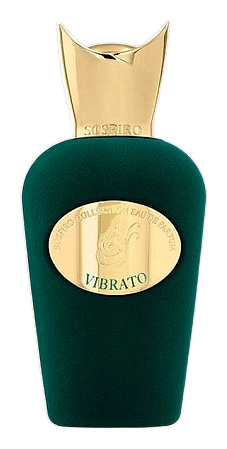
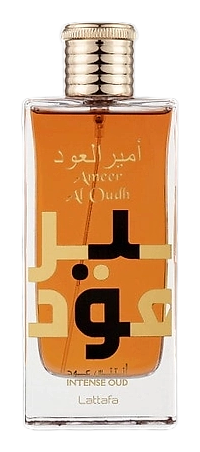
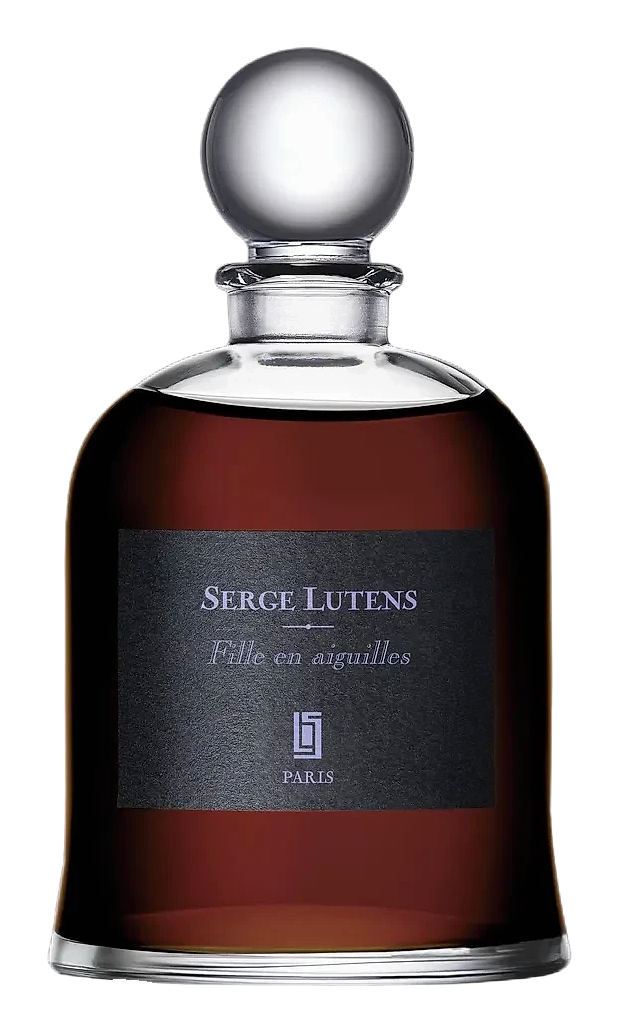
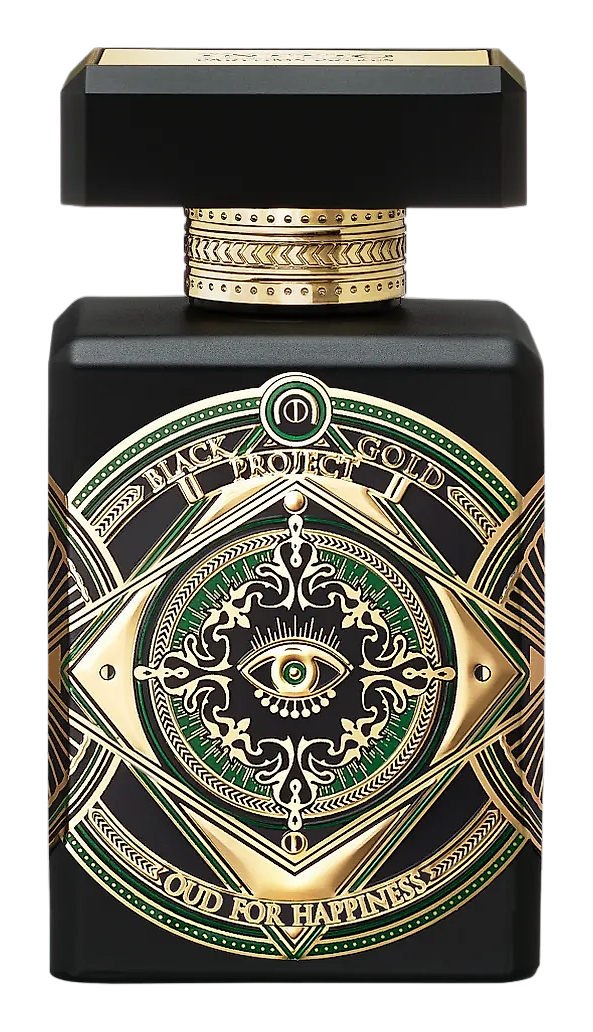
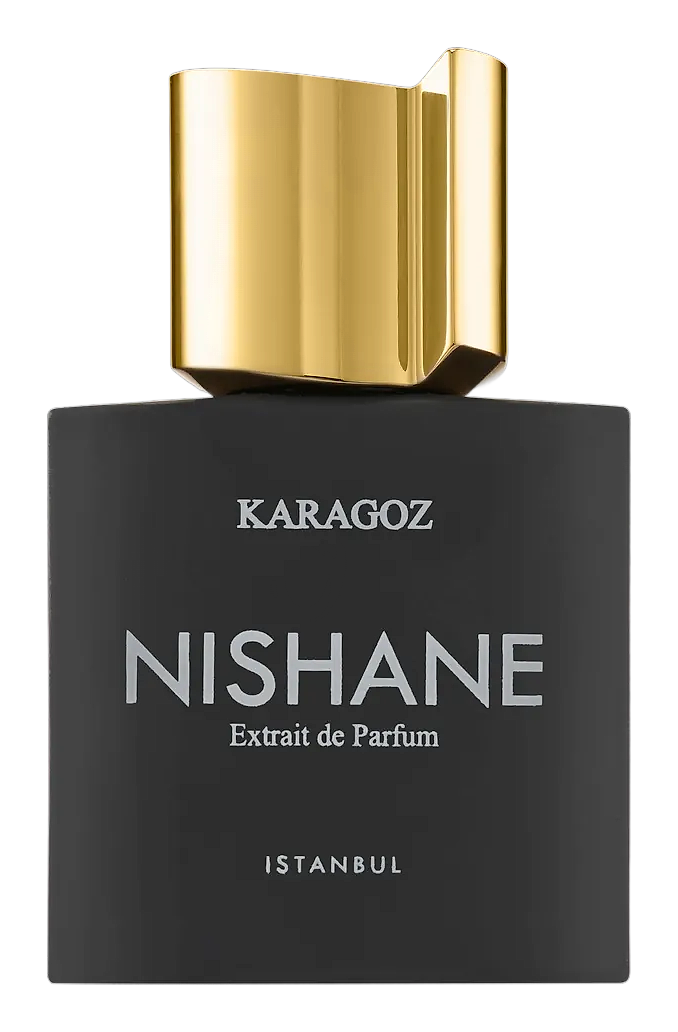
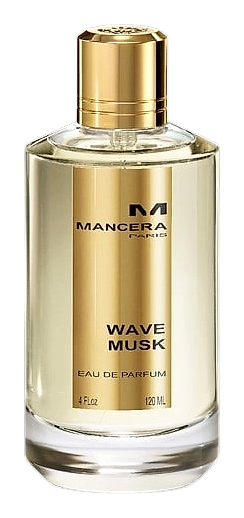
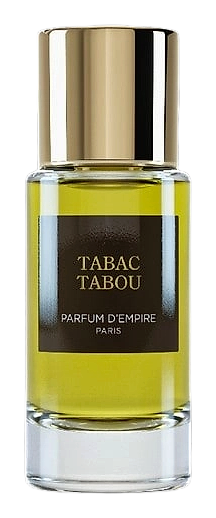
Fragrances featuring Herbaceous Notes

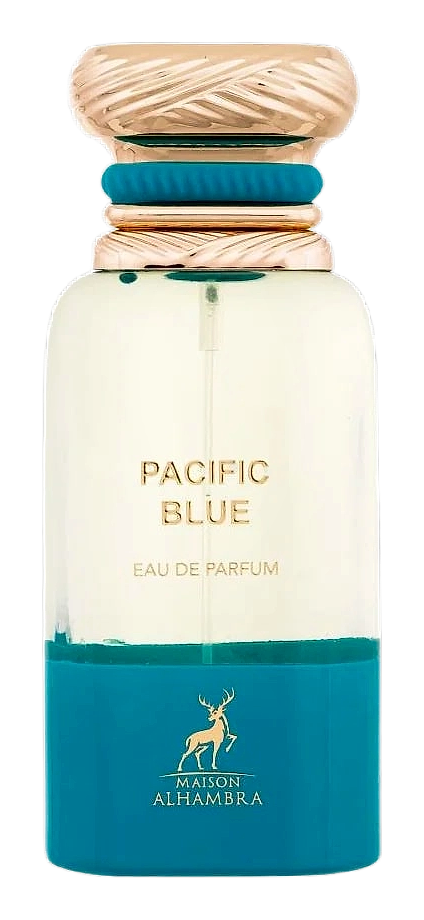
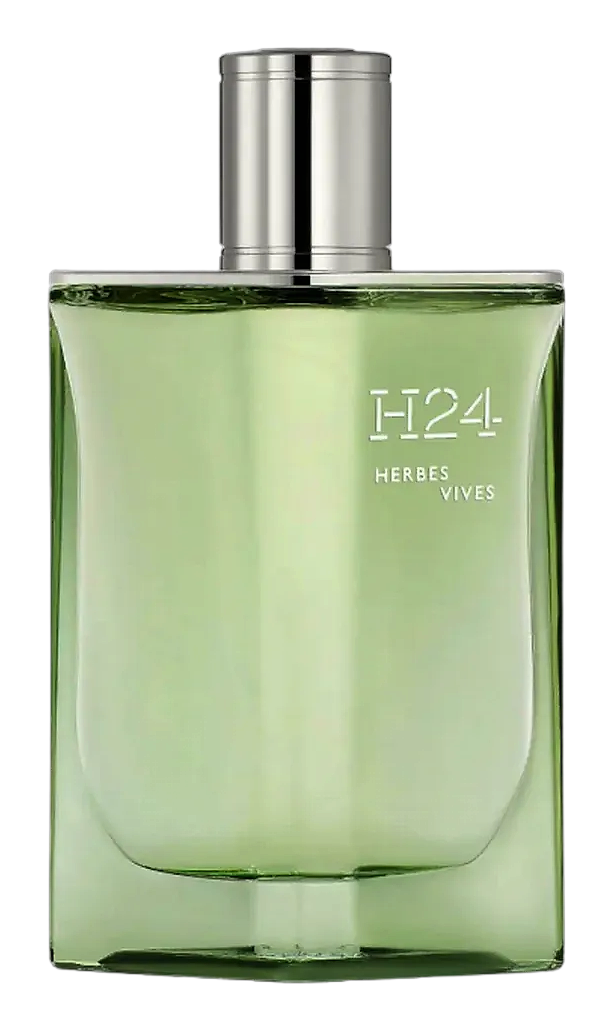
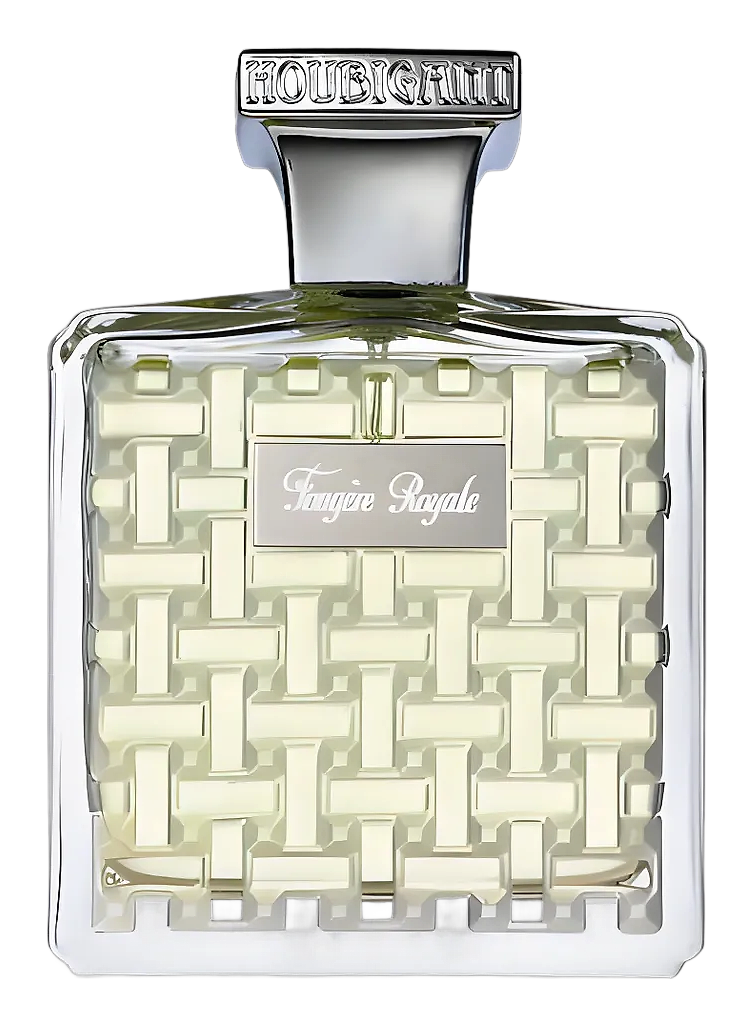
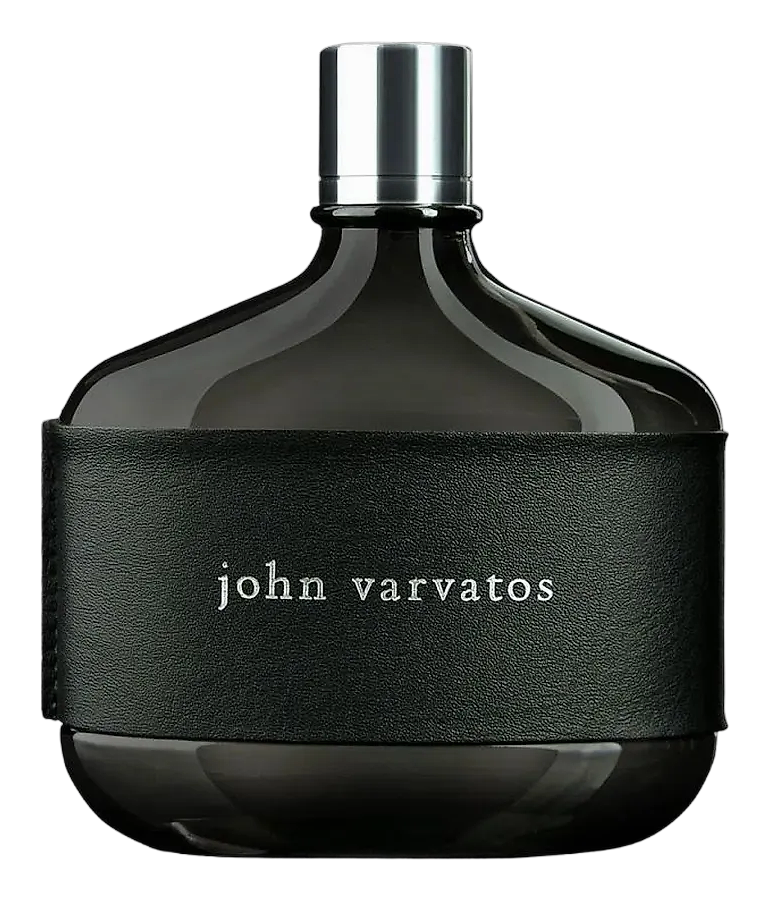
Brands
Brands known for Herbaceous Notes
Good to know
Questions, answered
The essentials on Herbaceous Notes in perfumery: how it smells, where it comes from, and how it behaves on skin.
What makes a fragrance note "herbaceous"?
Herbaceous notes derive from aromatic plants and herbs such as lavender, rosemary, sage, and thyme. They carry green, slightly medicinal, or hay-like qualities that distinguish them from purely citrus or floral categories. Many share cooling or camphoraceous undertones.
Are herbaceous notes natural or synthetic?
Both. Traditional herbs like lavender and rosemary are steam-distilled from cultivated plants. Synthetic compounds such as linalool and eucalyptol replicate specific aromatic molecules found in these plants, offering consistency and affordability at scale.
Which herbaceous ingredients are most common in perfumery?
Lavender essential oil leads the category, followed by rosemary, clary sage, mint, basil, and thyme. Lavender alone accounts for a significant portion of global herbaceous oil production, with Bulgaria and France as leading suppliers.
How are herbaceous essential oils produced?
Steam distillation is the primary method. Plant material sits in a still while pressurized steam passes through, carrying volatile aromatic compounds into a condenser. The condensed liquid separates into essential oil and hydrosol.
What fragrance families feature herbaceous notes heavily?
The Aromatic Fougère family relies on herbaceous core ingredients like lavender and oakmoss. Herbal colognes, classic men's fragrances, and Mediterranean-inspired compositions also lean heavily on this category for their structural freshness.
Do herbaceous notes last long in a fragrance?
Most herbaceous oils are top-to-middle notes, meaning they appear early and fade within 1 to 3 hours. However, certain herbs like clary sage and rosemary have longer-lasting middle phases due to heavier molecular structures.
What's the difference between herbaceous and green notes?
Green notes typically smell of cut grass or crushed leaves, fresh and vegetative. Herbaceous notes share green qualities but add spice, camphor, or tea-like complexity from aromatic herbs with deeper, more resinous character.
Where is the best lavender for perfumery grown?
Provence in southern France and the Kazanlak region of Bulgaria produce the most prized lavender oils. Bulgarian lavender tends toward sweeter, more floral profiles, while French varieties often show sharper, more camphoraceous edges.