
The Story
Why it exists.
The beginning
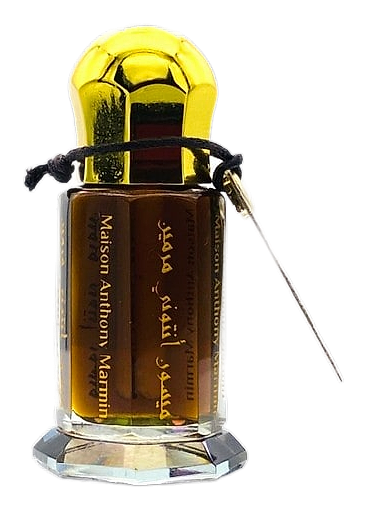
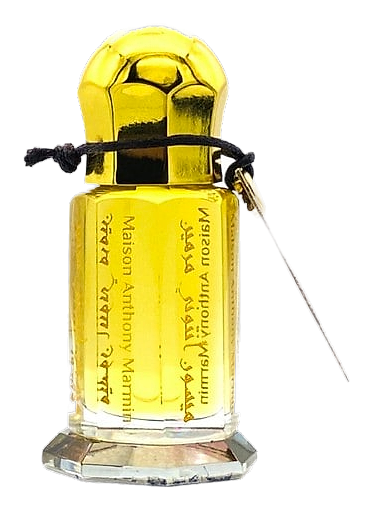
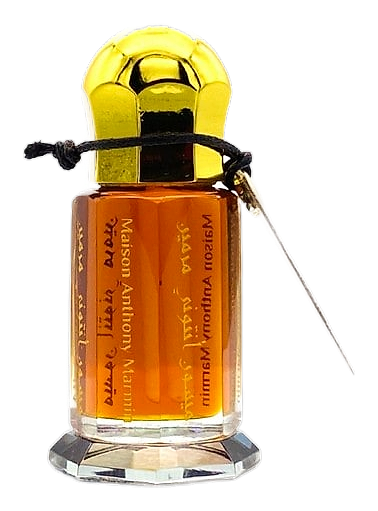
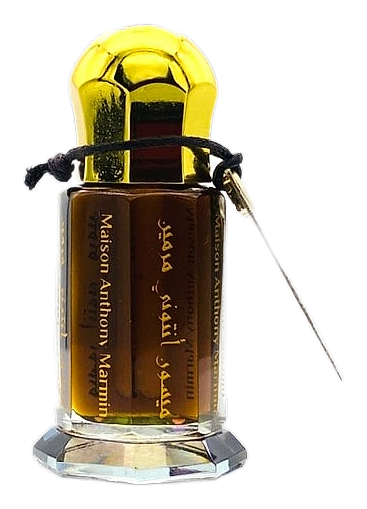
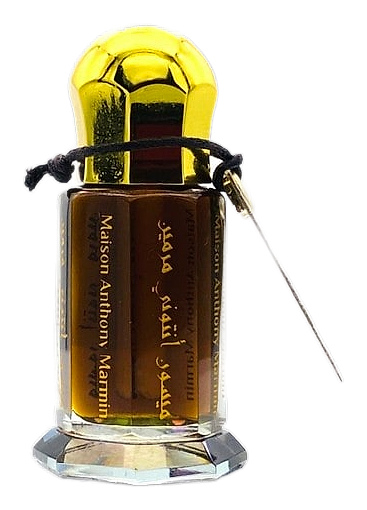
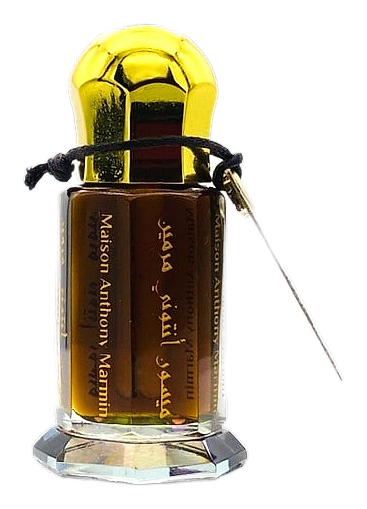
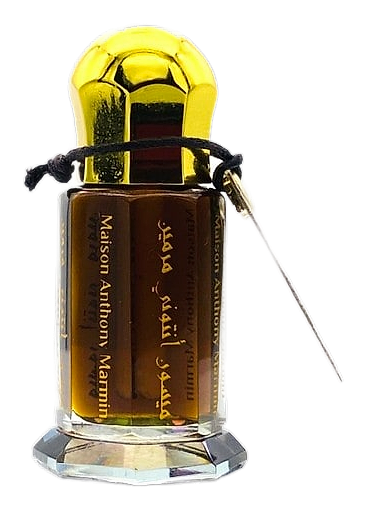
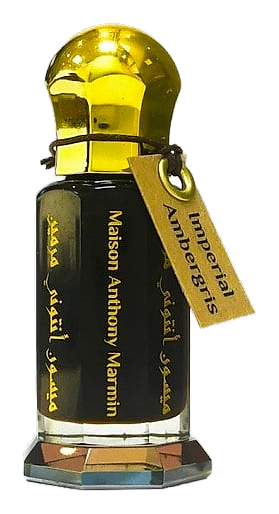
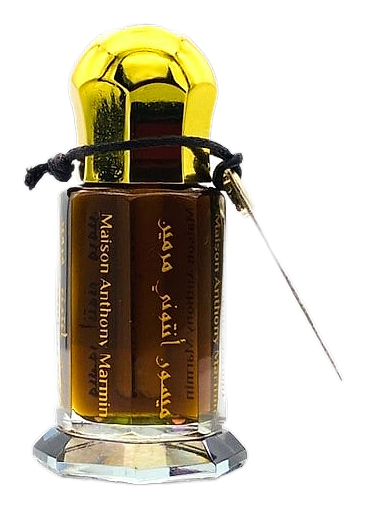
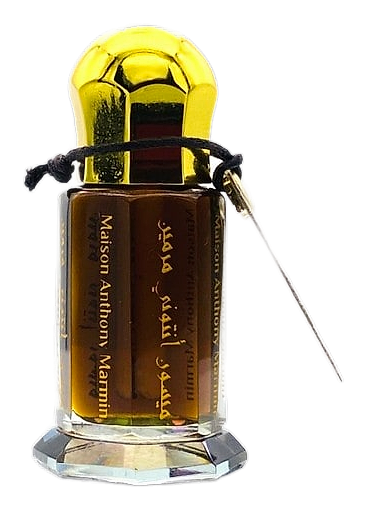
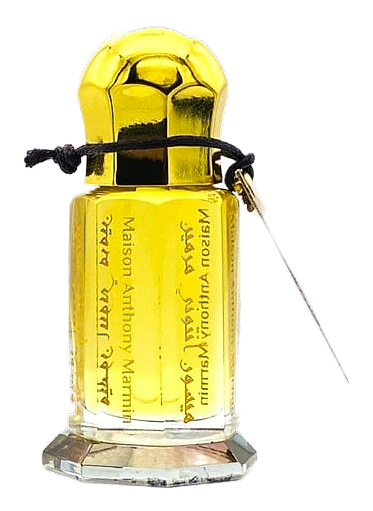
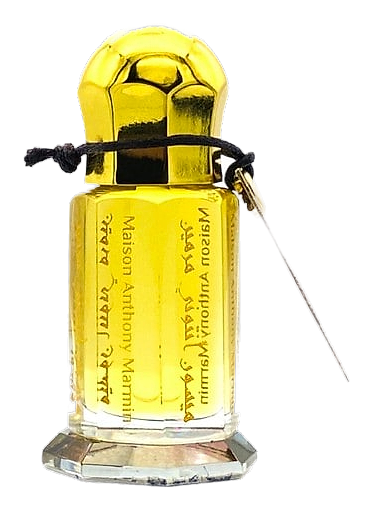
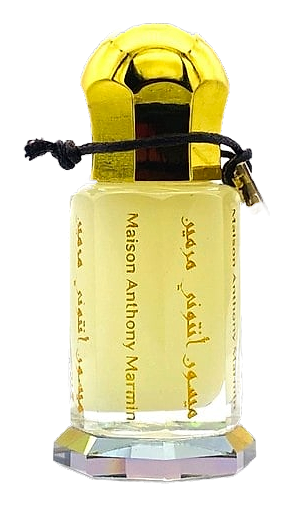
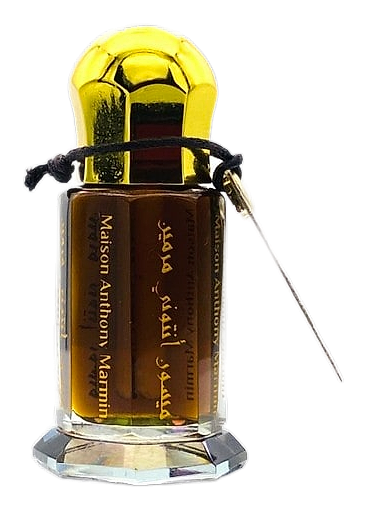
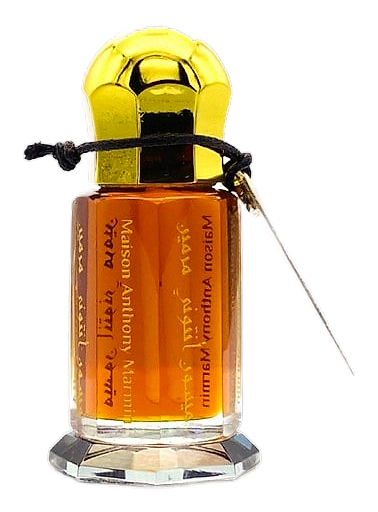
Anthony Abdul Karim Marmin released Amber Al Faransi in 2015. The name carries intent. "Al Faransi" points to France; "Amber" anchors it to the Arabian raw material tradition the house draws from at its core. It arrived as a statement of duality. Not Arabian perfume wearing French clothes, nor French structure dressed in oud. Something more honest than either. The Dubai workshop's earliest output centered on pure perfume oils built for collectors, and Amber Al Faransi belongs firmly to that body of work. It is a study in resin and heat, composed by a nose working between two traditions and refusing to subordinate either one. The composition opens with frankincense that reads less as a polite nod to tradition and more as the structural spine of the entire piece.
What makes Amber Al Faransi worth attention is its restraint within a genre known for excess. The main accords pull in every direction: warm spicy, oud, honey, earthy, floral, leathery. Most compositions in this space overwhelm at the opening and hope the drydown redeems them. Marmin's approach is different. Frankincense leads as the structural backbone of the piece, with oriental spices and saffron adding dimension from the very first spray.
The evolution
The opening is smoke and ritual. Frankincense and oriental spices fill the air with something that reads less like a personal fragrance and more like a room where something sacred just happened. Night-blooming jasmine flickers at the edges, not enough to soften the resin but enough to make it feel inhabited. Then the shift begins. Honey arrives, not as sweetness but as warmth, a golden current that pulls the saffron up and outward. Soon the composition is sitting in its full stride. Saffron, honey, and amber create a dense, warm-spicy heart that projects steadily without shouting. The drydown doesn't lose weight so much as change its mind. What was resin becomes wood. Indian vetiver cuts through with something almost mineral, sandalwood smooths the edges, and the amber settles into skin. What's left, after hours of wear, is a close, warm, slightly leathery hum. The honey has receded.
Cultural impact
Amber Al Faransi earned its place among collectors who came to the house early, drawn by the un-diluted character of its pure perfume oils and extraits. It reads as a deliberate hybrid of two traditions, Arabian in its raw materials and French in its structural logic. The composition offers resin and warmth without the performance of heavier oud-forward compositions, a quieter entry into a category that often mistakes volume for substance. The frankincense-led opening sets a serious tone that the honey and saffron warm without sweetening into cliché.