Heritage
A house, in its own words
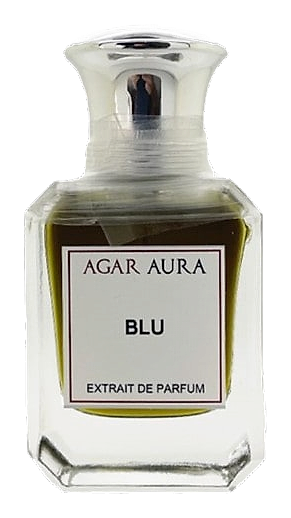
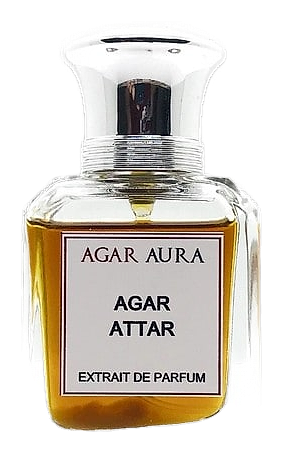
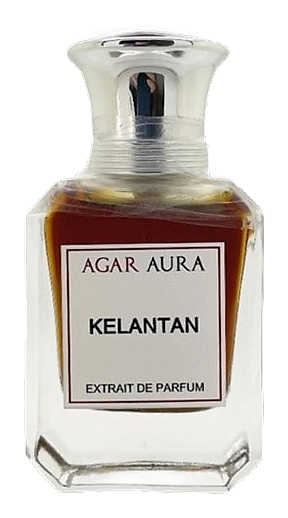
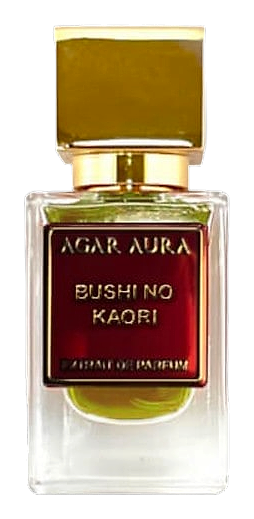
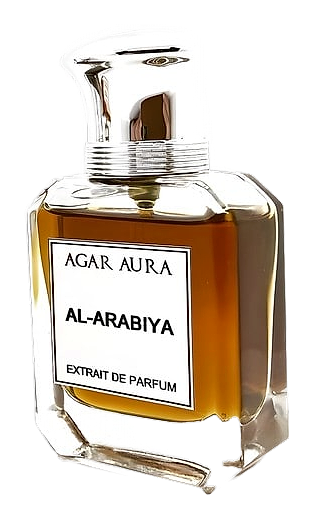
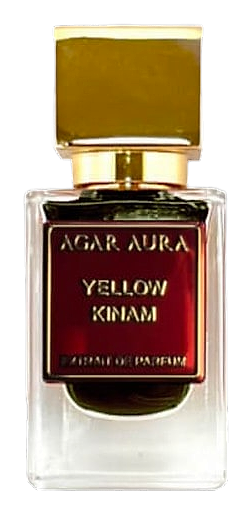
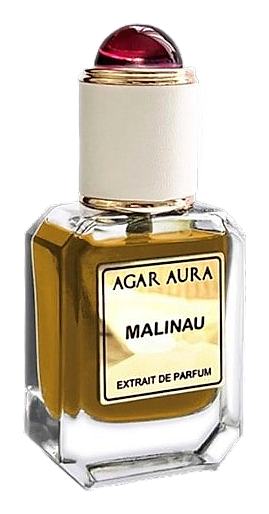
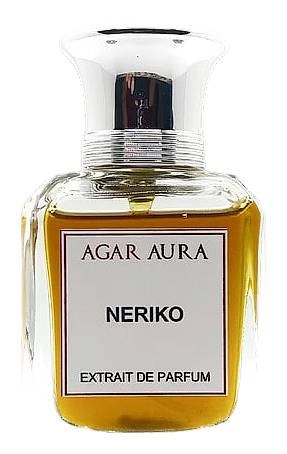
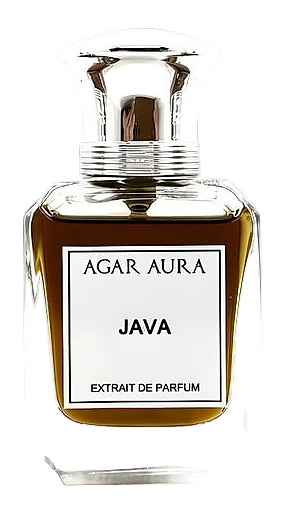
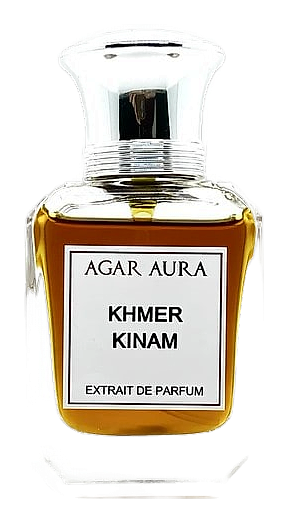
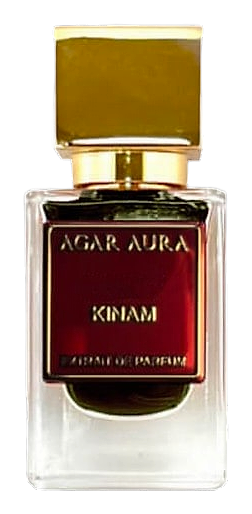
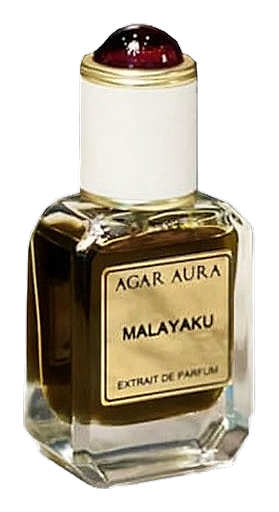
Taha Syed founded Agar Aura, establishing the brand as both a fragrance house and an artisan oud distiller. The earliest documented perfume in the collection dates to 2012, when Syed released Cuir Chypre. This inaugural work set a precedent for the house, combining leather and chypre elements with an oud-forward sensibility. Prior to this, the brand operated primarily in the oud oil market, offering pure oils and occasionally oud chips. The founder described the transition as organic: he began designing his own distillations, seeking to control the quality of raw materials from the source upward. This progression from oil merchant to perfumer shaped the house's identity, grounding each fragrance in practical knowledge of the base materials. The collection expanded gradually through the late 2010s and accelerated in the early 2020s with multiple annual releases. The name Al-Jazzab (2022) entered circulation in fragrance communities as a statement release, with commentary suggesting it represented a deliberate escalation in rose intensity compared to prior compositions. The brand has maintained a low public profile throughout its existence, relying on community word-of-mouth and direct sales rather than mainstream distribution. The stated aim behind Agar Aura perfumes is to share oud-centric work as an art form, a vision the founder has articulated directly. Rather than positioning oud as one ingredient among many, Syed treats it as the backbone of every composition. This approach separates the house from conventional niche perfumery, where oud often serves as a signature note among diverse materials. The founder has described perfume as a personal creative outlet, one informed by years of working with raw oud oils and attars. Community commentary on releases like Al-Jazzab reinforces this philosophy: reviewers have characterized the fragrance as indulgent, extravagant, and sumptuous in its rose presence, suggesting deliberate aesthetic choices rather than formulaic construction. The house does not appear to segment its audience by gender or occasion, instead presenting oud as a universal medium. The absence of elaborate brand narratives or luxury positioning reflects an underlying confidence in material quality. Each fragrance name references a specific place, attar tradition, or material category, anchoring the work in tangible oud culture rather than abstract branding concepts.