The Story
Why it exists.
The beginning
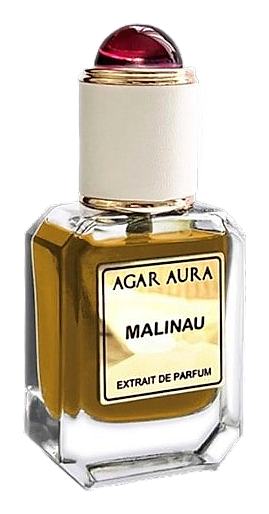
Malinau is named for a region in Borneo's Mentarang district, home to some of the most prized agarwood on earth. Connoisseurs who find other oud varieties smelling merely like campfire smoke often make an exception for Malinau. Its oil carries blueberries, ripe pear, orange-vanilla creamsicle, and a creamy woodiness that any vintage sandalwood would envy. The fragrance draws on these qualities to create something unexpectedly balanced: deep, resinous oud paired with bright fruit notes and a velvety base that feels both ancient and remarkably approachable. It is a composition that lets the raw material speak.
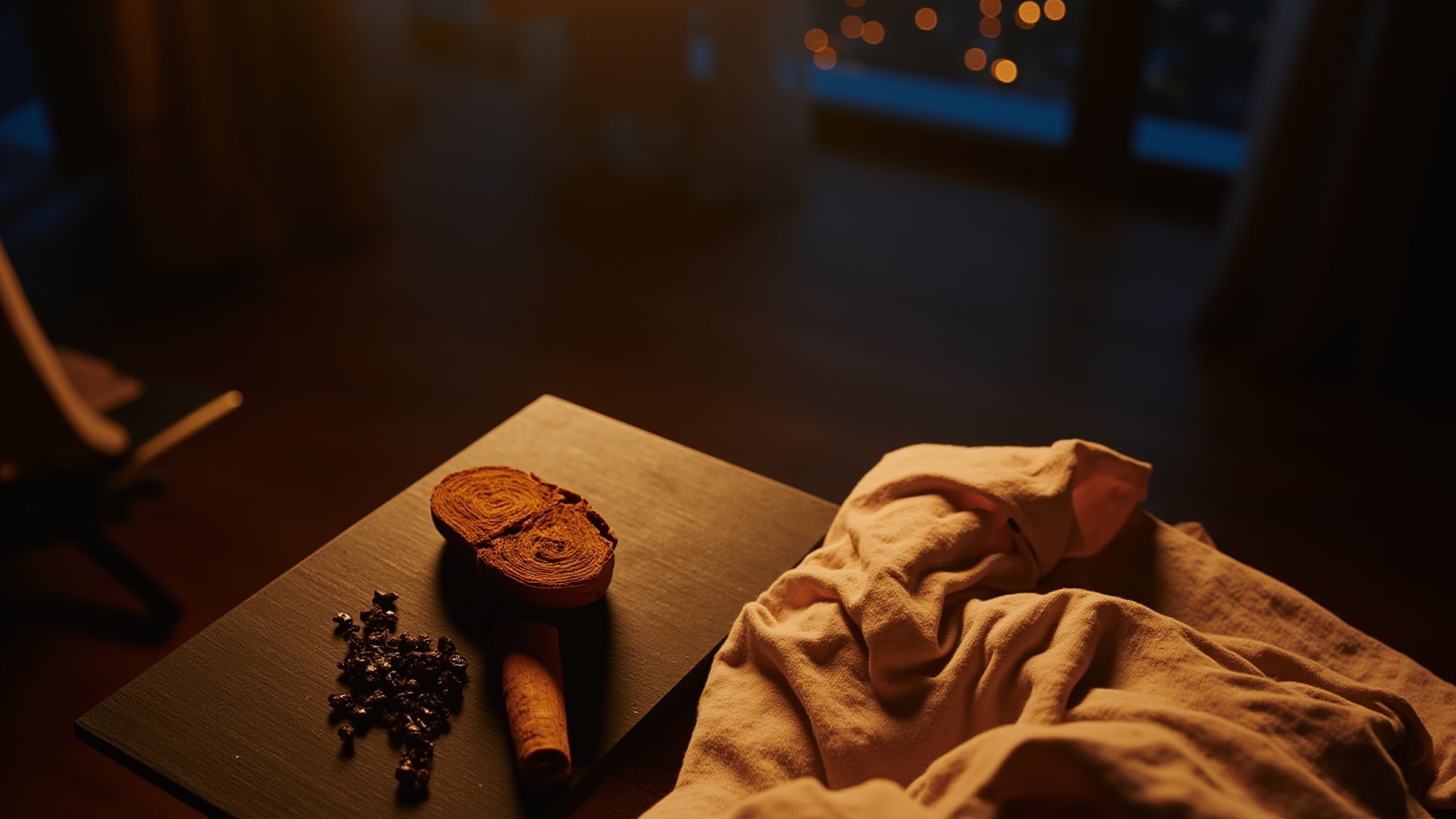
The challenge was capturing what heating real Malinau wood releases, specifically the cinnamon and vanilla cake notes that almost no straight oud oil delivers accurately. The solution was structural. Instead of plain alcohol, the perfume was built on aged cinnamon tincture, which proves creamier and less sharp than cinnamon essential oil, and a longer-aged Papua island vanilla tincture. Papua vanilla differs from Madagascar varieties, less sweet but notably creamier. These tinctures add distinct character while maintaining the integrity of the oud foundation beneath.
The evolution
The first minutes arrive aggressive. Pepper and cinnamon don't knock, they announce. If you've approached oud expecting subtlety, this opening recalibrates expectations fast. The sandalwood soon emerges, sweet and woody, with rice paper and citrus. The oud pushes toward incense, a holy, resinous register. Then the fragrance softens without disappearing. Vanilla and wood carry the drydown, intimate and close to the skin. The warmth from the opening lingers throughout wear, evolving quietly as the top notes recede into the base.
Cultural impact
Borneo oud from Indonesia's Kalimantan region has remained relatively underexplored in fine perfumery compared to Middle Eastern varieties. Malinau presents oud as the full olfactory narrative rather than a supporting note. The Mentarang district origin brings specific regional character to the composition. The fragrance offers a counterpoint to approaches that treat oud as a background element, centering it instead with intention and depth.