The Heritage
The Story of Arabian Oud
Arabian Oud is a Saudi‑based fragrance house that produces perfume oils, attars and scented candles. Since its launch in 1982, the company has expanded to more than 1,200 retail points across 37 countries, offering over 400 distinct scents that blend traditional oud with modern accords. Its catalogue includes pure oud expressions as well as mixed‑note creations designed for everyday wear.
Heritage
Arabian Oud opened its first workshop in Riyadh in 1982, founded by a group of local entrepreneurs who wanted to preserve the region’s oud tradition while making it accessible to a wider audience. Within a decade the brand established a network of retail outlets throughout the Arabian Peninsula, relying on a growing demand for authentic scent experiences. By the early 2000s the company began exporting its products, first to neighboring Gulf states and later to markets in Europe and Asia. The 2010s marked a period of rapid scaling: employee numbers rose to more than 3,700 and the store count surpassed 1,200 locations in 37 countries, according to publicly available corporate data. In 2019 the house released several notable fragrances, including Royal Oud and Asayel Al Sharq Oud, signaling a deepening of its oud‑centric portfolio. The following year saw the launch of Rare Oud, a limited edition that highlighted the brand’s ability to source rare wood from remote forests. In 2023 Arabian Oud added Special Arabian Musk to its lineup, reflecting a continued interest in blending traditional animalic notes with contemporary sensibilities. Throughout its four‑decade history the house has positioned itself as a bridge between historic perfume practices and modern consumer expectations, maintaining a steady output of new releases while keeping core heritage scents in production.
Craftsmanship
Arabian Oud operates its own distillation facilities, where mature agarwood chips are steam‑distilled to extract pure oud oil. The company sources wood from several regions known for high resin content, including Assam in India, the Mekong Delta in Vietnam and the forests of Laos. Each batch undergoes gas‑chromatography analysis to verify purity before it reaches the blending stage. Master blenders, many of whom have apprenticed in traditional souk workshops, hand‑mix the oils with supporting notes such as frankincense, saffron or rose absolute. The house maintains a strict inventory system that tracks each ingredient from harvest to final bottling, ensuring consistency across its extensive catalogue. Quality control includes blind panel testing with trained evaluators who assess longevity, projection and balance. Production runs are limited to maintain the integrity of the raw materials, and any unsold stock is either re‑formulated or donated to cultural heritage projects. The company also invests in employee training programs that teach both classic Arabian perfumery techniques and modern analytical methods, creating a workforce that bridges past and present.
Design Language
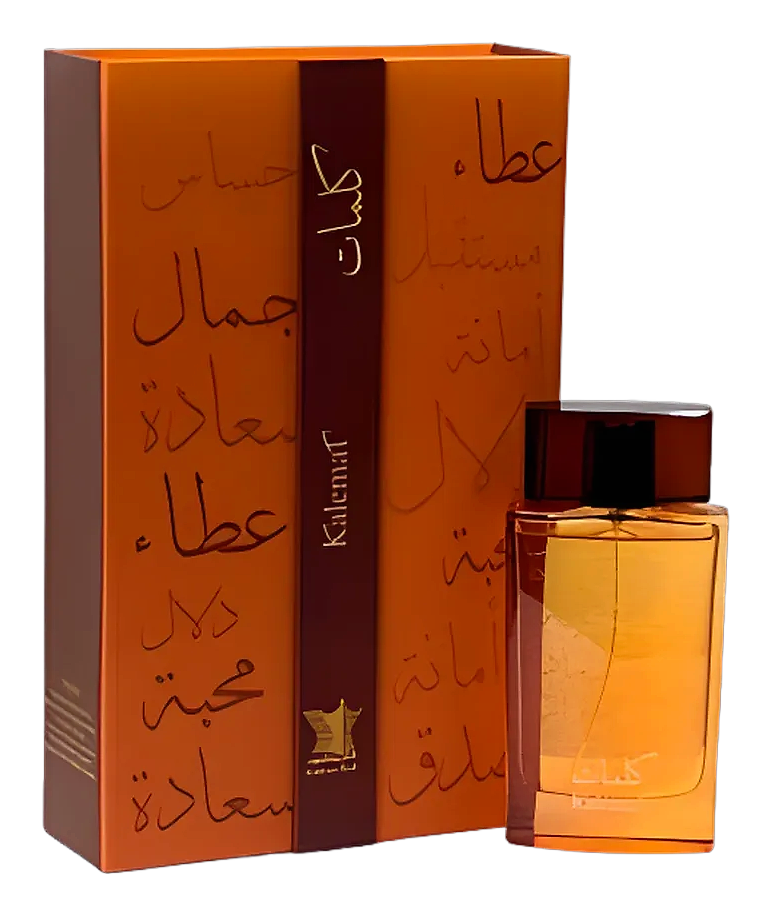
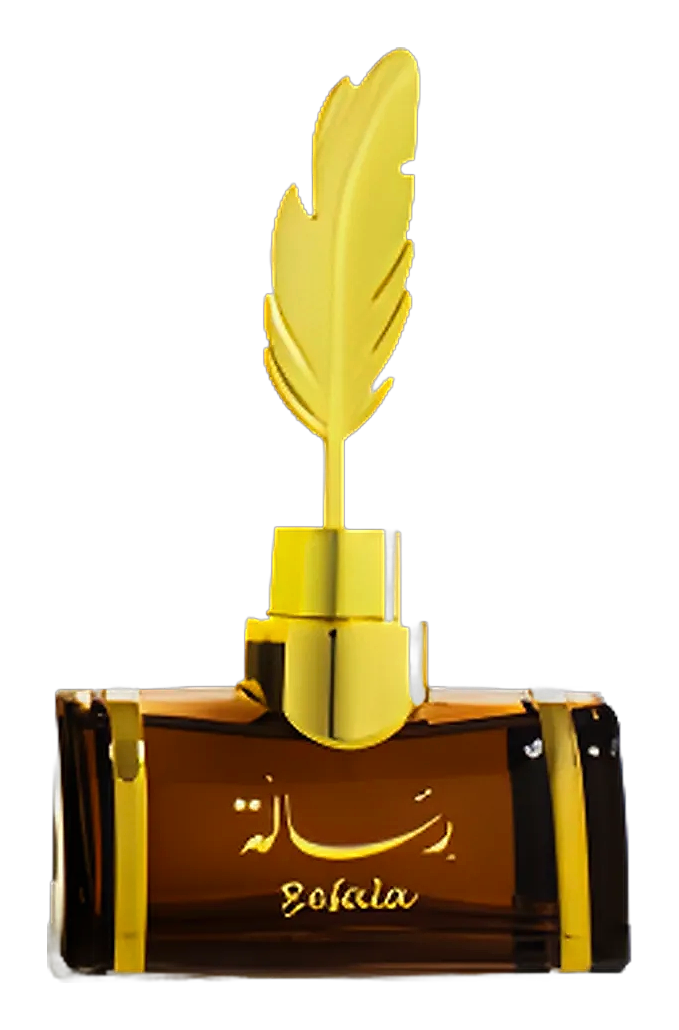
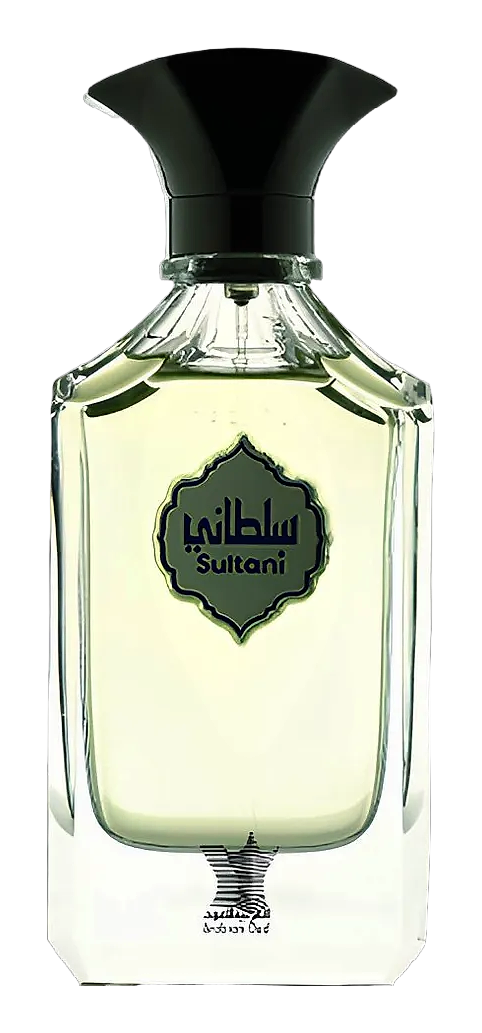
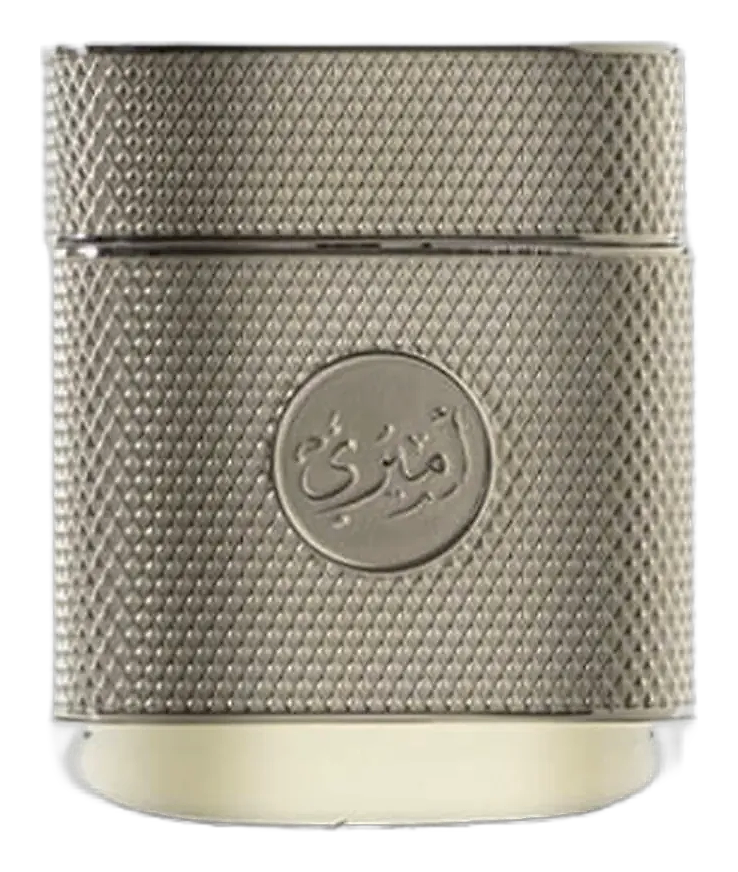
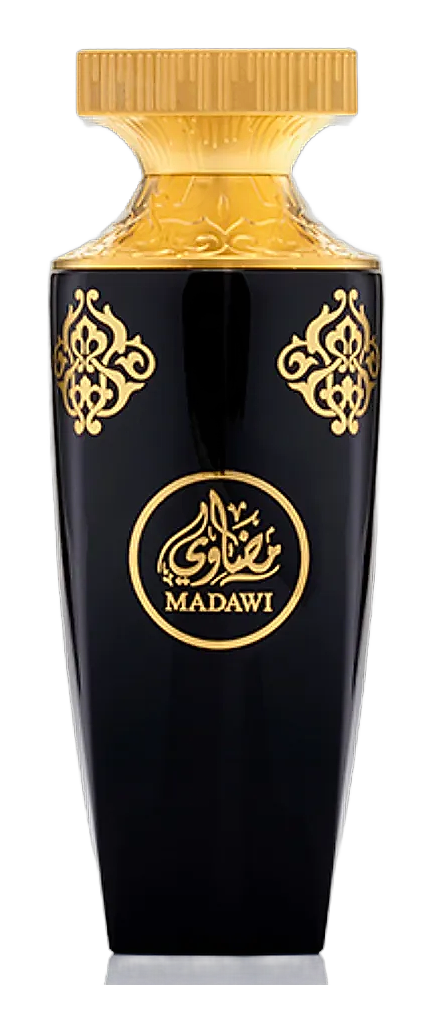
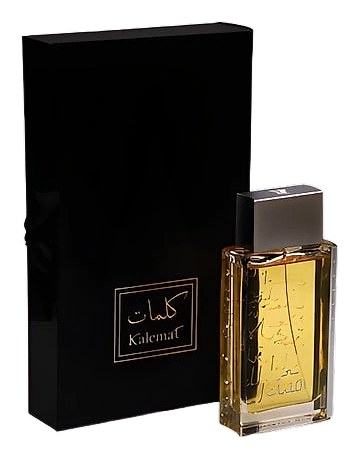
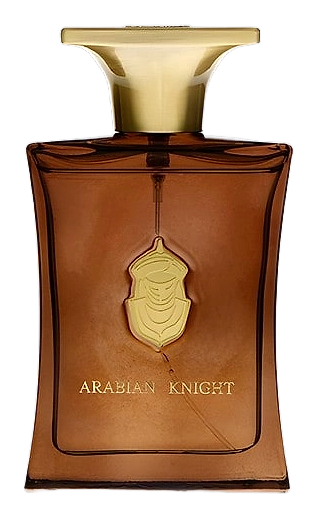
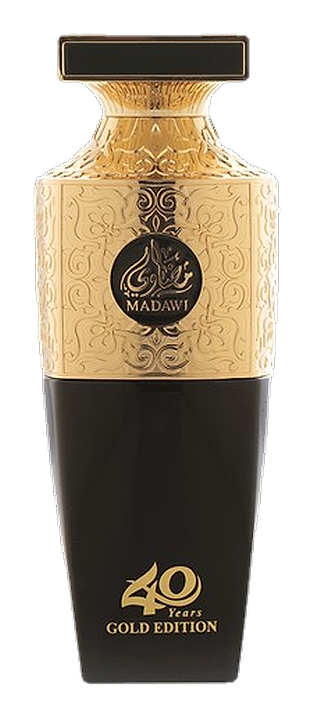
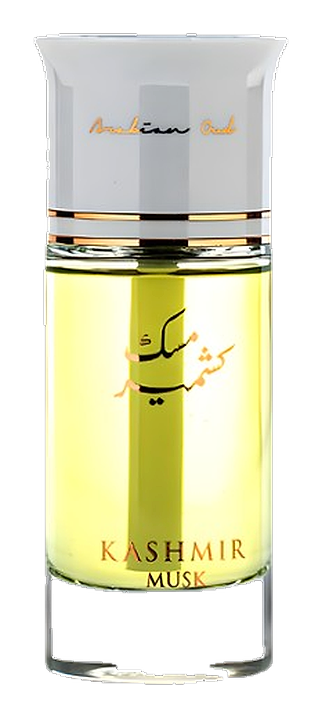
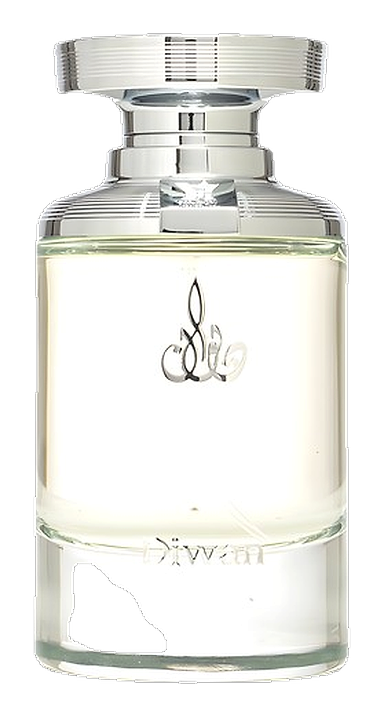
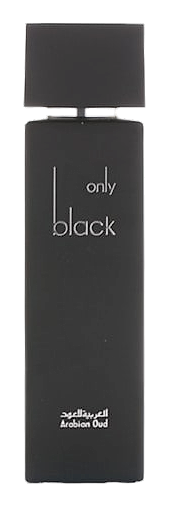
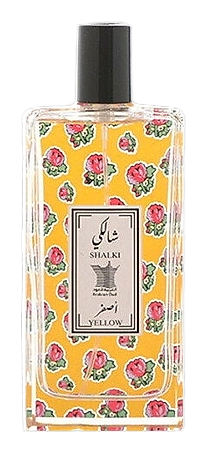
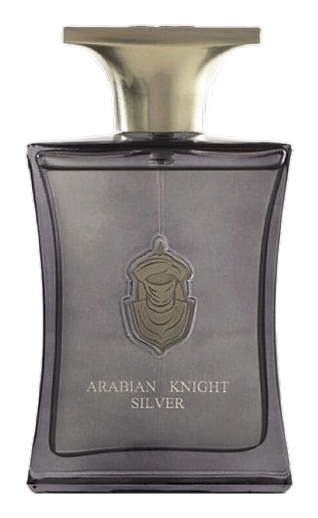
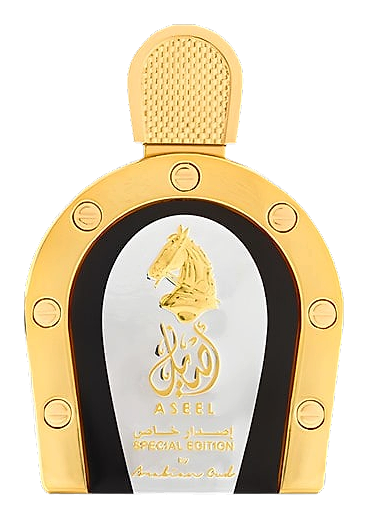
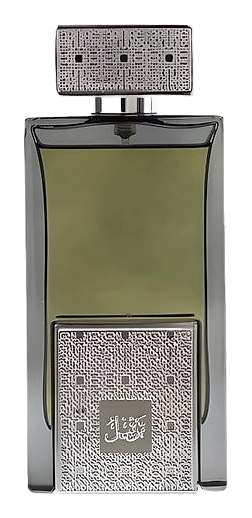
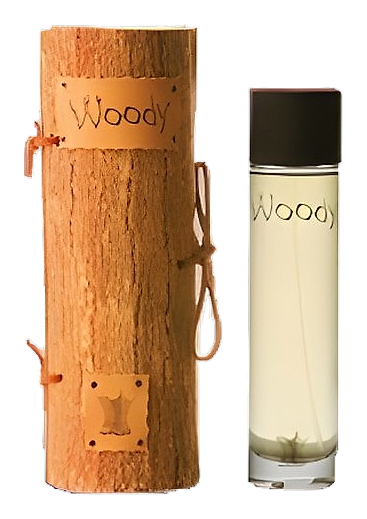
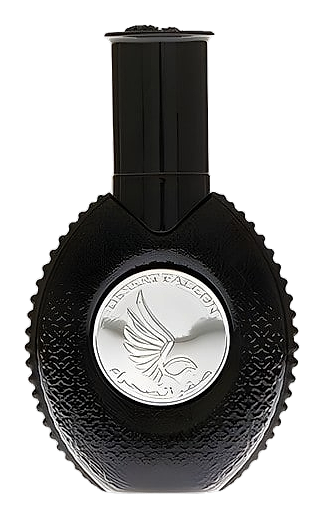
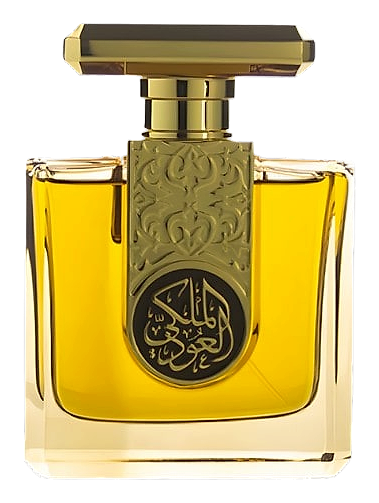
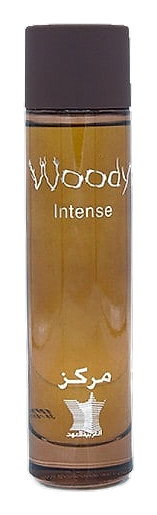
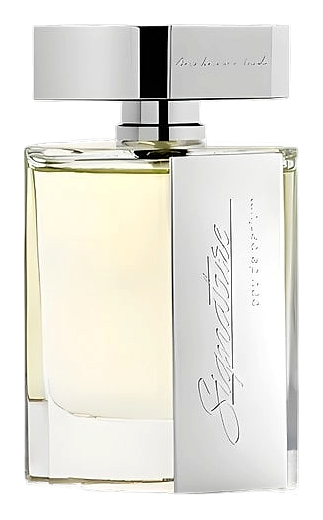
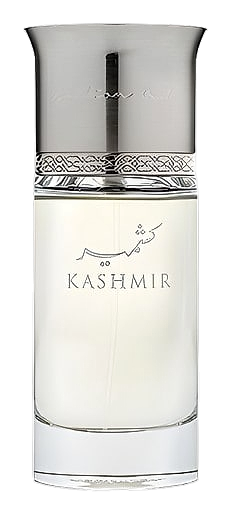
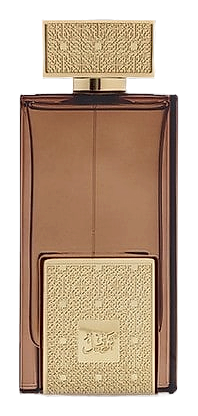
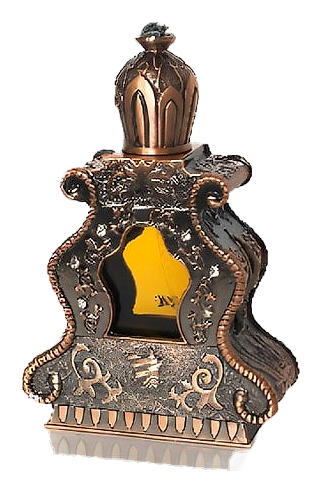
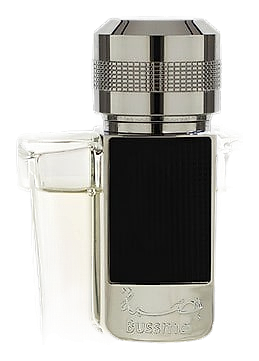
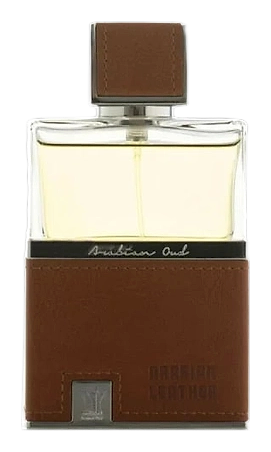
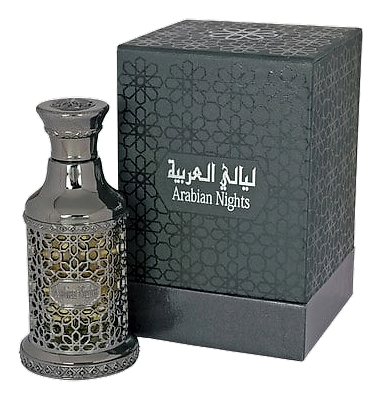
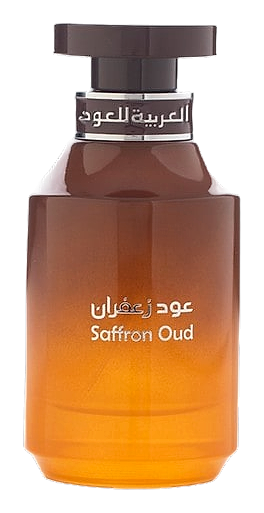
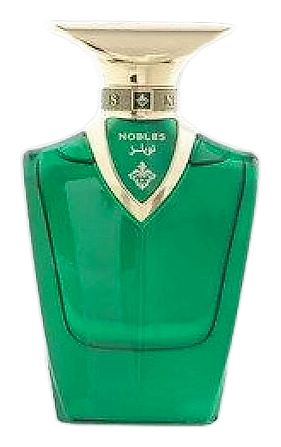
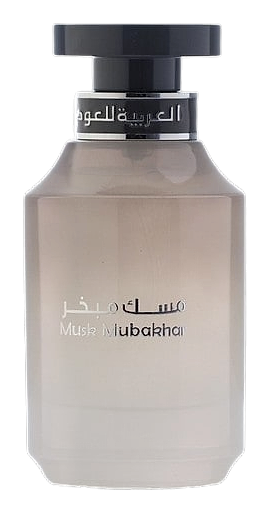
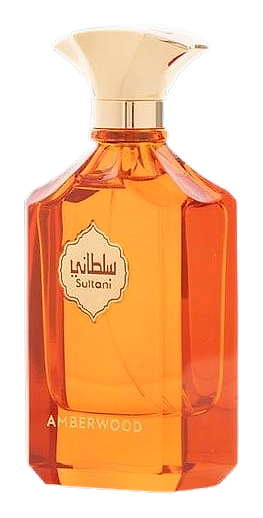
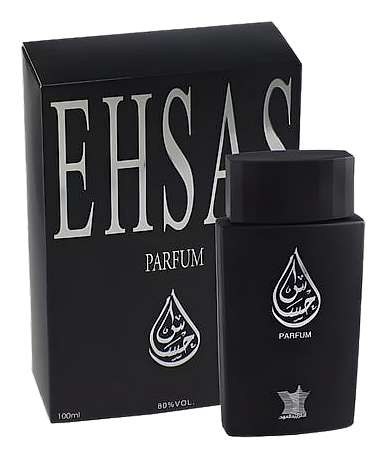
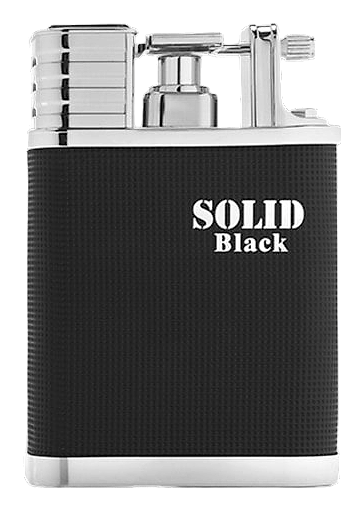
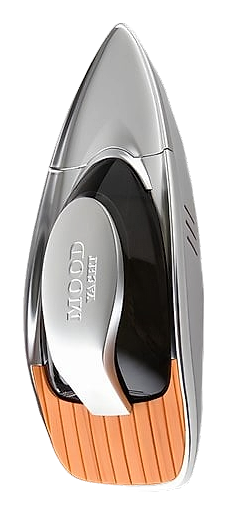
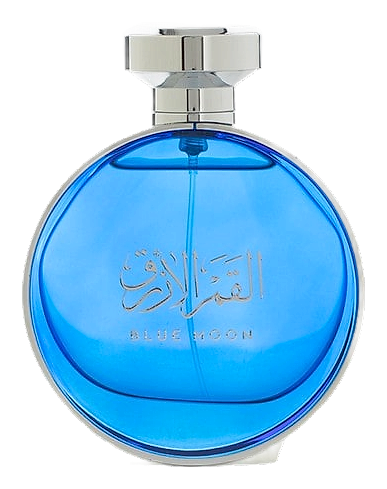
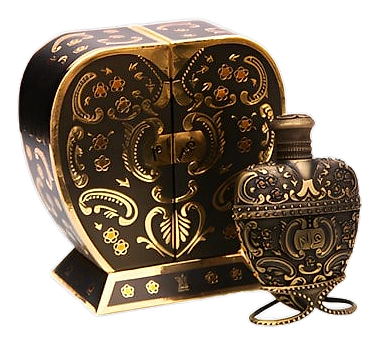
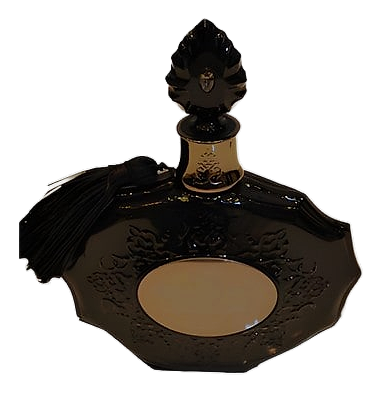
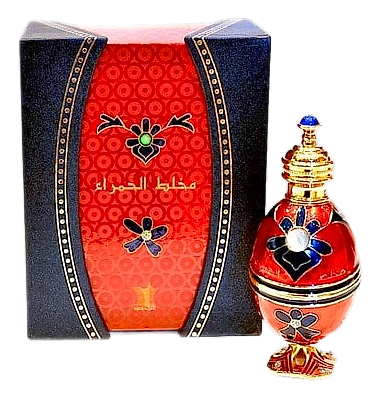
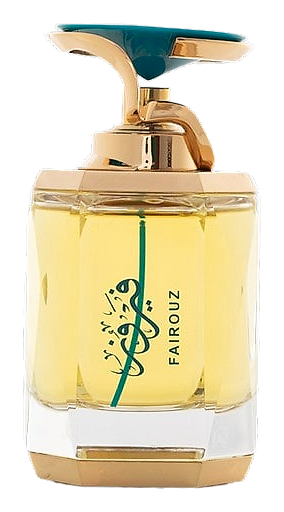
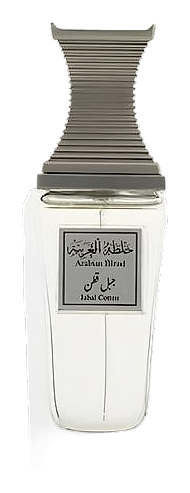
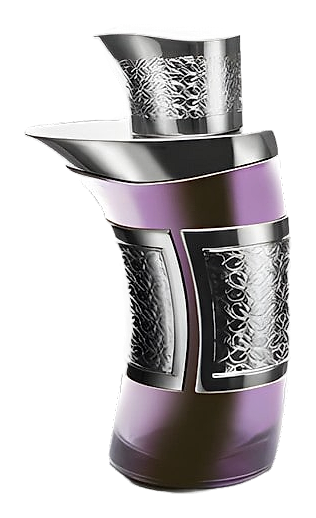
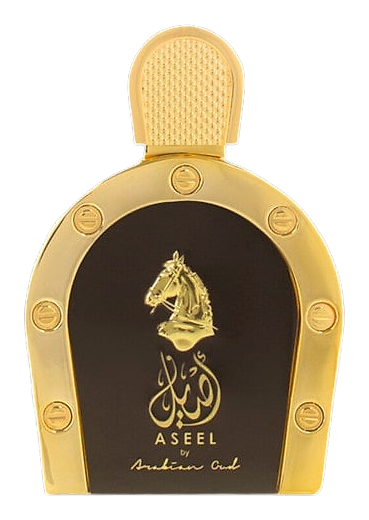
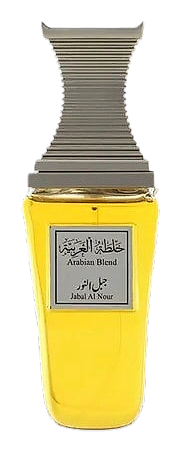
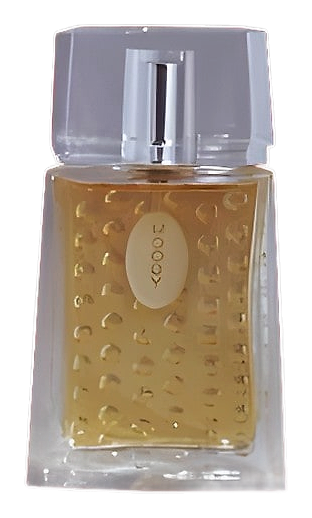
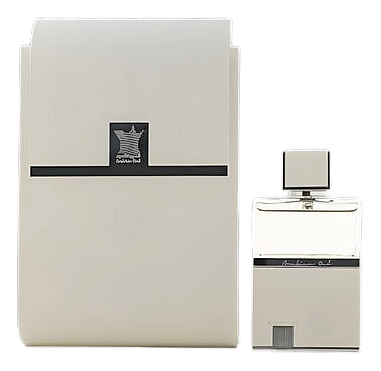
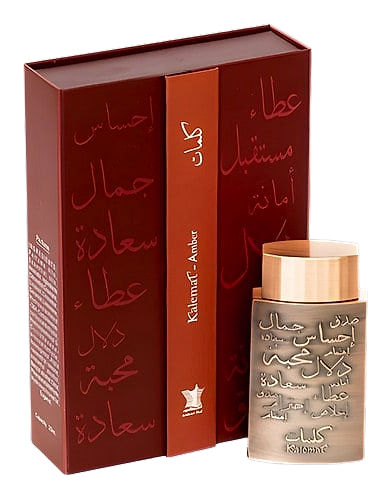
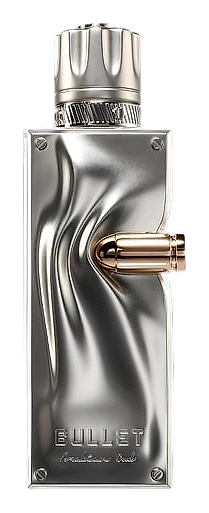
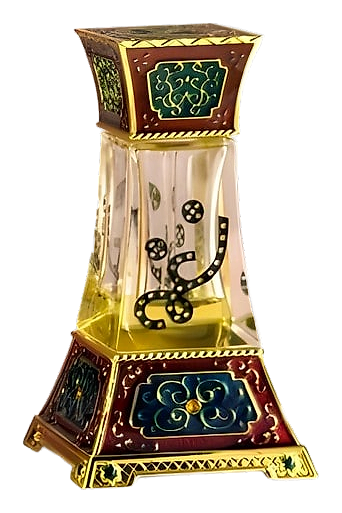
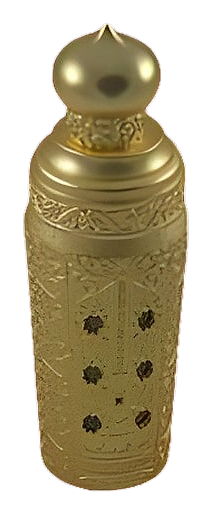
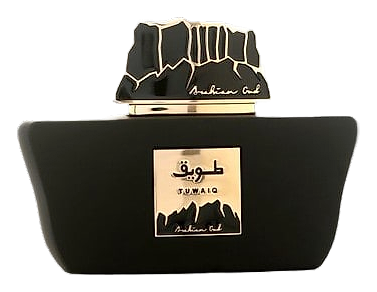
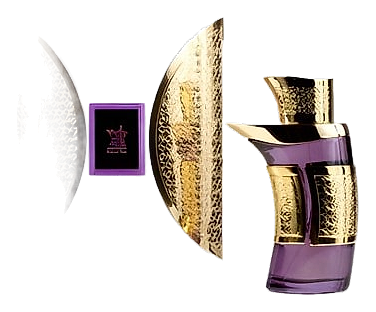
Visual identity at Arabian Oud leans on deep, matte black glass bottles that showcase the dark hue of the oil inside. Gold foil lettering often spells the fragrance name in Arabic calligraphy, creating a dialogue between language and scent. The brand’s retail interiors echo traditional souk architecture, featuring carved wooden panels, brass lanterns and plush seating areas where customers can sample incense on charcoal. Promotional imagery frequently places the product against desert backdrops or historic palace interiors, reinforcing a sense of place. Limited‑edition releases sometimes arrive in wooden boxes hand‑carved with regional motifs, underscoring the house’s commitment to artisanal presentation. Across its marketing channels the house favors clean typography and restrained color palettes, allowing the fragrance itself to remain the focal point.
Philosophy
The brand states that its creative vision rests on three pillars: respect for regional olfactory heritage, dedication to natural raw materials, and a willingness to explore contemporary scent structures. Arabian Oud treats each fragrance as a narrative, drawing on the cultural symbolism of oud, amber and spice that have long featured in Middle Eastern rituals. Quality and authenticity guide every decision, from the selection of raw wood to the final packaging. The house encourages a personal connection with scent, inviting wearers to experience memory, place and emotion through carefully balanced compositions. By keeping a large portion of its ingredient library in‑house, the company can experiment without compromising its core values of transparency and traceability.
Key Milestones
1982
Arabian Oud founded in Riyadh, Saudi Arabia as a small workshop focused on oud oil production.
1995
Opened first dedicated perfume boutique in the Kingdom, expanding beyond wholesale distribution.
2005
Entered its first international market outside the Gulf region, establishing a store in Dubai.
2010
Reached a portfolio of more than 400 fragrances and opened flagship flagship store in Riyadh with a dedicated incense lounge.
2020
Launched Rare Oud, a limited edition fragrance sourced from a single, century‑old agarwood tree.
2023
Introduced Special Arabian Musk, marking a shift toward incorporating animalic notes alongside traditional oud.
At a Glance
Brand profile snapshot
Origin
Saudi Arabia
Founded
1982
Heritage
44
Years active
Collection
7
Fragrances released
Avg Rating
4.1
Community sentiment
Release Rhythm


