The Story
Why it exists.
The beginning
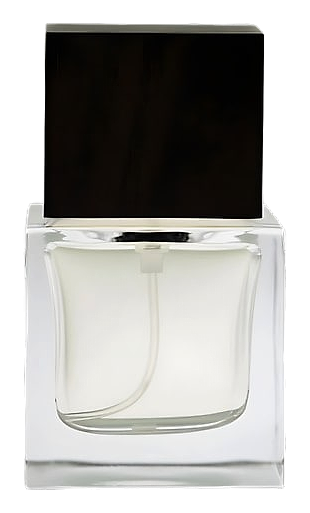
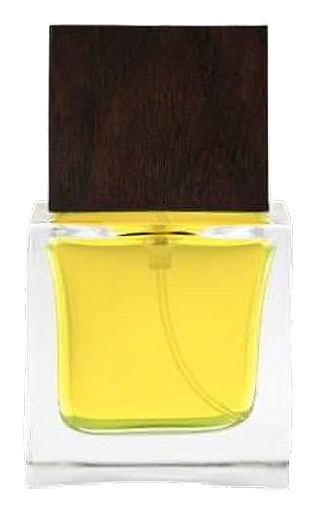
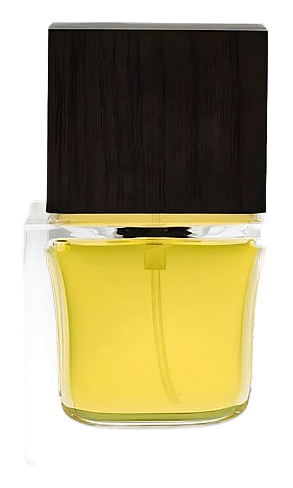
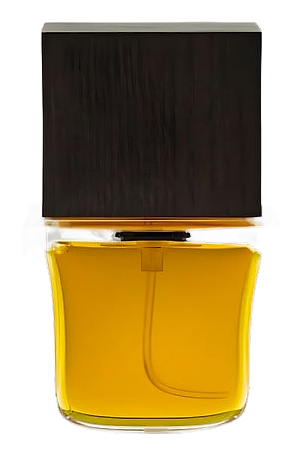
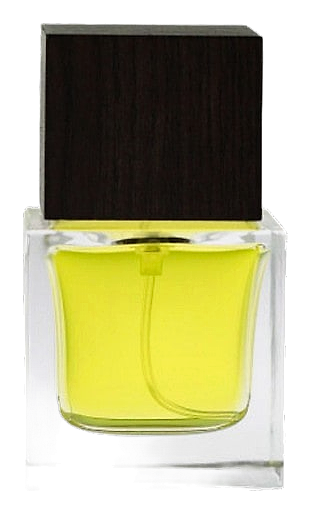
DI SER, founded in Japan in 1999, operates from a laboratory ethos that demands precision and transparency in every formula. Kurokami, meaning 'black hair,' references the deep contrast between bright citrus and dark woods that defines the fragrance. Perfumer Shinohara Yasuyuki built this scent using only plant-derived extracts, embracing the laboratory's commitment to natural materials. The name itself evokes the glossy, reflective quality of dark hair under light, a metaphor for the fragrance's ability to shift between luminous and shadowy facets.
The philosophy behind Kurokami emphasizes clarity of materials. Each note has a specific role: grapefruit sets an invigorating tone, rose bridges the transition from citrus to floral, jasmine enriches the heart, and the woods anchor the experience. The fragrance is designed for those who appreciate transparency in composition, where every ingredient can be identified and understood. Pairing suggestions might include complementary scents that share a floral-woody axis, or contrasting with darker, spicier fragrances to highlight the brightness of the opening.
The evolution
The journey of Kurokami begins with grapefruit and rose, a pairing that immediately establishes a clean, almost clinical brightness. Grapefruit provides an immediate tartness that feels scientific in its precision, while rose adds a soft, organic counterweight. As time passes, the heart reveals jasmine intertwined with rose, deepening the floral character and introducing a slightly nocturnal quality. The progression feels deliberate, as though the fragrance is moving through stages of analysis. Finally, sandalwood and rosewood ground the composition, replacing the bright top notes with warmth and structure. The arc tells a story of contrast: from sharp citrus to lush florals to quiet woods, all connected by the persistent presence of rose.
Cultural impact
Since its 2020 debut, Kurokami has become a quiet reference point for natural‑only perfumery in Japan, inspiring a modest wave of boutique houses to explore citrus‑floral‑woody blends without synthetic additives. Its balanced composition has been cited in several academic discussions on sustainable fragrance sourcing, influencing curricula in fragrance chemistry programs and encouraging consumers to seek transparent ingredient lists. The scent’s understated elegance also sparked a social media trend where users share minimalist wardrobe photos paired with the fragrance, reinforcing its image as a refined, everyday companion.